

Snow-covered peaks in the West. Rocky coastlines in the East. Windswept prairies, lush valleys, boreal forests, and some of the most advanced greenhouses in the world. Canada stretches across nearly 10 million square kilometers (3.9 million square miles) and six time zones, offering a range of climates and ecosystems that few other countries can match. Despite long winters and a relatively small population of 40 million — around the same as California — Canada has carved out a unique and increasingly important role in the global produce trade.
It’s a country that is perhaps more often associated with maple syrup, hockey, and polite understatement than with fresh fruits and vegetables. But Canadian producers are punching above their weight, building an industry grounded in resilience, technology, and regional collaboration.
In 2024, the fruit and vegetable sector generated more than C$15 billion (US$11 billion) in GDP and supported more than 185,000 jobs, according to the Canadian Produce Marketing Association (CPMA). Exports exceeded C$4.6 billion, while imports reached over C$12 billion, highlighting both Canada’s role as a major supplier — largely to its southern neighbor — and its demand landscape. Nearly half the country’s fresh produce export value now comes from greenhouse-grown vegetables.
Regional Strengths
Each of Canada’s regions brings a different mix of crops, production methods, and climate conditions, forming a network of localized strengths that together support national food security and export growth. The CPMA highlights this regional distribution as one of the country’s defining advantages.
“Canada’s produce sector is defined by its geographic diversity and its growing focus on sustainable production,” says Ron Lemaire, president of the Ottawa-headquartered non-profit organization. “Each region brings unique strengths to the national supply chain — British Columbia leads in berries, Quebec excels in leafy greens and root crops, Ontario is a hub for controlled-environment agriculture (CEA), and Atlantic Canada continues to build strength in apples, potatoes, and emerging crops. This regional mix helps ensure year-round supply, bolsters food security, and reinforces Canada’s reputation for quality, traceability, and innovation.”
In British Columbia, coastal valleys and temperate microclimates make it one of Canada’s leading berry and cherry-producing regions, and a major late-season supplier to the U.S market. The province consistently ranks among the top producers of highbush blueberries, strawberries, and raspberries globally. Controlled environment farming is also expanding, with companies like Oppy — a Vancouver-based multinational and leading supplier in the North American market.
“Oppy has been in operation for 167 years, fast approaching two centuries as the oldest company in British Columbia and one of the oldest in Canada,” says Colbert Rahal, Oppy’s sales director of Canada. “While we are still focused on our local roots supporting and partnering with local farms, greenhouses and orchards, we service North America and beyond through our 19 offices throughout Canada, the U.S., Argentina, Chile, Mexico, Peru and South Africa. We will always be a proud BC and Canadian-based operation.”
Meanwhile, Ontario is home to Canada’s largest greenhouse growing operations — especially tomatoes, cucumbers, and peppers — with the Leamington area often referred to as the “Greenhouse Capital of Canada.” The municipality is strategically located just a few miles from Detroit and within reach of Chicago and other major U.S. population centers. It boasts nearly 2,000 acres of greenhouse production, making it the largest concentration of greenhouses in North America.
During the inaugural CEAg World Conference and Expo held in August 2024 in North Carolina, Christopher Higgins, a CEA expert, noted some key reasons why Leamington has become so dominant in large-scale greenhouses. As reported by Agritecture, a consulting firm in the industry, Higgins explained that its success stemmed from a combination of factors, including proximity to U.S. consumers, favorable energy and labor conditions, strong transportation links, and decades of accumulated greenhouse know-how. Together, these elements create an environment where greenhouse growers can produce at scale, ship quickly, and remain cost‑competitive, even in the face of international competition.
Further to the east, French-speaking Quebec excels in leafy greens, root crops, and cranberries. Its strong regional identity also supports a network of locally tailored operations. As Jennie Coleman of Montreal-based Equifruit — North America’s leading importer of Fairtrade-certified bananas, which in recent years has earned the company a spot on The Globe and Mail’s list of Canada’s top growing companies — explains, “One thing that sets Quebec apart from other Canadian provinces is that national companies will often have dedicated Quebec offices, effectively French-speaking branches that tailor their operations to this market. As a result, Quebec’s produce industry is vibrant, well-supported, and closely aligned with local consumers.”
Coleman adds, “Solidarity and a strong social conscience run deep in Quebec’s culture, and they have created the ideal conditions for a Fairtrade business like Equifruit to flourish. While our roots will always be planted in Quebec, we’re expanding rapidly across North America, and our goal is that one day every consumer in North America and beyond is buying Equifruit Fairtrade bananas.”
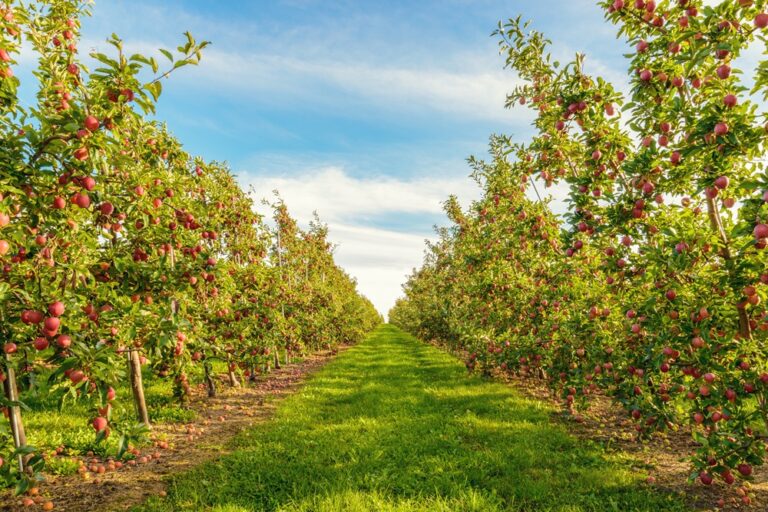
The Atlantic provinces are smaller in population but strong in staples. Nova Scotia and Prince Edward Island produce apples, potatoes, and lowbush blueberries for both domestic consumption and export. Prince Edward Island alone accounts for roughly a quarter of the country’s total potato output. Though these regions face more logistical hurdles due to their distance from central markets, they play a key role in diversifying Canada’s year-round supply.
The Prairie provinces in Western Canada — Alberta, Saskatchewan, and Manitoba — have historically focused more on grains and oilseeds, but are seeing growing investment in greenhouse infrastructure and cold-hardy vegetables as climate conditions shift. While not traditionally known for fruit and vegetable production, these provinces are becoming part of the larger national picture, particularly when it comes to season extension and climate adaptation.
Luc Mougeot is president and CEO of the Fruit and Vegetable Dispute Resolution Corporation (DRC), a non-profit mediation service based in Ottawa, modeled after the USDA Perishable Agricultural Commodities Act (PACA). Established 25 years ago, the DRC now has members in 17 countries and plays a key role in setting global trading standards for the fresh produce sector. “Canada’s produce industry is unique due to its diverse landscapes, ranging from British Columbia’s orchards to Prince Edward Island’s potato fields, enabling a wide range of high-quality fruits and vegetables,” notes Mougeot. “Advanced practices, such as precision agriculture and greenhouse technologies, enhance resilience, sustainability, and food safety, enabling the meeting of global demand.”
He explains that industry strength stems from strict regulatory standards that ensure fair dispute resolution, thereby enhancing Canada’s reputation as a trusted global trade partner. Supported by growers, researchers, and the government, the sector excels in quality and competitiveness.
Confidence Across the Supply Chain
Canada’s fresh produce sector is held together by much more than just geography. While growers operate across regulatory frameworks, it is relationships built on trust and industry coordination that keep products moving efficiently.
This cohesion is not without its challenges. “While producers are adapting quickly, there’s a growing need for investment in resilient infrastructure and technology. Logistics also pose a hurdle, especially for smaller operators,” says the CPMA’s Lemaire. “Canada’s vast geography, combined with port congestion and rising transportation costs, creates persistent inefficiencies across the supply chain.”
He also adds that while producers are adapting quickly, smaller operators often face the greatest hurdles, and there is growing urgency around investment in resilient infrastructure and technology. And climate volatility is another concern — wildfires, floods, and early frosts have disrupted operations across B.C. and the Prairies in recent years.
Labor is another pressure point. To address it, CPMA continues to work closely with policymakers, including advocating “for meaningful reform to the Temporary Foreign Worker Program and the Seasonal Agricultural Worker Program,” notes Lemaire. “As outlined in our 2025 Government Relations priorities, we support maintaining distinct program streams, establishing a permanent Recognized Employer Program, and advancing a National Agricultural Labor Strategy to address ongoing shortages across the supply chain.”
Trade logistics is also a priority. CPMA has pushed for the expansion of Trusted Trader programs and the development of emergency protocols to ensure food continues to move during disruptions. It is also collaborating with partners in the U.S. to harmonize North American packaging standards by 2025, helping streamline operations across borders.
Mougeot from the DRC explains that informal mediation services help resolve “an average of 80% of claims received within 26 days at no additional cost.” With membership spanning Canada, the U.S., and Mexico, and expanding globally, the DRC gives produce businesses the legal clarity and reassurance they need to trade confidently, he says.
For importers such as Equifruit, smooth logistics are essential. “Quebec has its own ports, but it’s also geographically close to Philadelphia, one of the world’s largest produce ports, just a day’s drive away,” says Coleman. “For fresh produce like bananas, we’re always looking to minimize travel time. Our proximity to Philadelphia means we can get fruit from field to store quickly, ensuring our customers get fresh and delicious bananas.”
Coleman, who has been a CPMA board member since April 2023, adds that the industry’s body of work is essential in such a vast nation with a relatively small population. She notes that thanks to the organization’s leadership, produce supply chains are highly integrated and resilient in the country.
Innovation, Values, and Global Vision
Canada’s climate may shorten the outdoor growing season, but it hasn’t limited the country’s ambitions. Growers and marketers have responded with bold investments in greenhouse and vertical farming, building a model of production that is more sustainable, efficient, and resilient.
Oppy says it approaches sustainability by collaborating closely with its grower-partners — first to ensure they meet retailer and regulatory requirements, and second to test new innovations that improve efficiency in areas like pest control, soil and plant health, water use, waste reduction, and packaging.
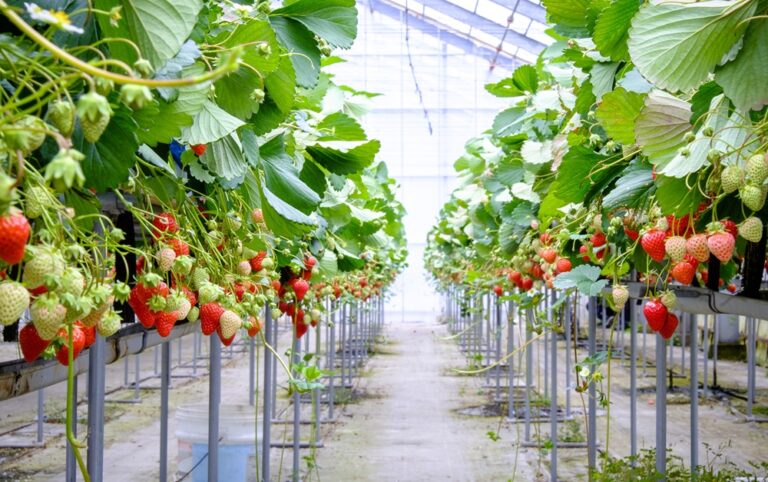
“For example, we’ve made big strides with UP Vertical Farms in Pitt Meadows, B.C. — our first vertical farm — where leafy greens are grown without any pesticides, herbicides, manure fertilizers or soil,” says Rahal. The company is also working with Perpetual Vegetable Co. in Abbotsford, B.C., which reuses water, carbon dioxide, and nutrients in its cucumber and pepper production. And at OriginO, Canada’s first certified organic greenhouse, crops are grown in living soil without chemical fertilizers or pesticides.
These technologies support more consistent yields while reducing dependency on long-haul imports and helping growers adapt to a changing climate.
Lemaire says that Canada’s produce industry continues to lead in the area of sustainability, with the CPMA providing direction on reducing problematic materials, improving recyclability, and minimizing waste. The organization is also co-leading an initiative with U.S.-based Western Growers to create harmonized North American packaging standards by 2025.
“On the production side, the growth of controlled-environment agriculture is improving resource efficiency and helping stabilize supply. Canadian producers also continue to lead in areas like biodiversity protection and reduced pesticide use, outperforming many global peers,” says Lemaire.
In terms of consumer demand, imports of tropical fruits like mangos and guavas are increasing, reflecting the demands of Canadians of diverse backgrounds who seek out familiar flavors year-round.
“Research conducted by CPMA confirms that price is the most significant barrier to increased consumption,” notes Lemaire. “In times of economic uncertainty, price rises to the top purchase driver with flavor and quality falling in importance.”
Rahal says, “The latest consumer demand trends show that Canadians are supporting their local farms more than ever, while also driving more variety by sourcing from other regions to strengthen food security. Shoppers continue to look for more value and convenience first and foremost, but are also looking for sustainably grown and packaged products. With a diverse population, Canadians demand a more varied eating experience, encouraging us to work with growers throughout the world to bring their diverse products to market.”
He notes that the industry can expect to see more ready-to-eat and snack-friendly options, clearer labeling about food origins, and a continued focus on great taste and quality.
Rising demand for ethically-sourced produce has helped propel companies like Equifruit. “Since I took the reins of Equifruit in 2013, we have achieved steady year-on-year growth,” explains Coleman. “To me, this is a sign that consumer demand for Fairtrade bananas in North America is growing.”
That values-driven approach extends to international trade. “Initially focused on North American trade, the DRC expanded globally in June 2024, amending its Operating Rules to extend dispute resolution services worldwide to its members, thereby promoting fair and ethical trade standards,” says Mougeot.
Asked what he would say makes the Canadian produce industry especially strong, Lemaire explains, “People — it’s the people, both on the ground and behind the scenes, who continue to move this sector forward. CPMA’s role has always been to support that momentum, amplify the sector’s voice, and ensure that Canada’s produce industry remains strong, connected, and ready for the future.
“Additionally, what makes Canada’s produce sector truly stand out is not just what we grow, but how we grow — through collaboration, innovation, and shared values,” he adds. “From coast to coast to coast, the industry is powered by a network of growers, packers, shippers, wholesalers, and retailers who work together to provide Canadians with safe, high-quality, and sustainable produce.”