
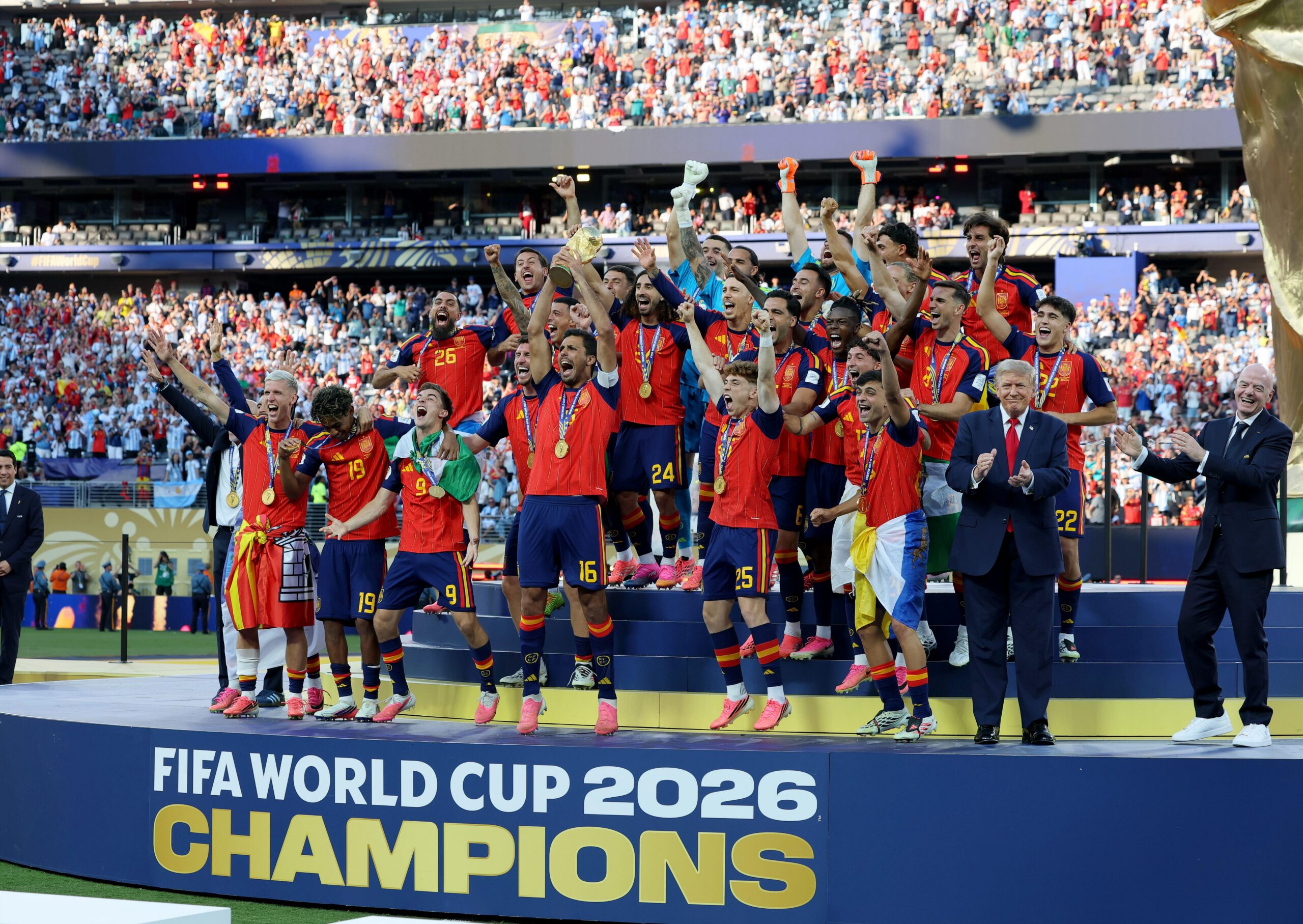
Soccer teams representing 48 countries from across the globe gathered in our backyard to play each other for the four-year bragging rights and the right to call themselves the best in the world. Co-hosting these teams and their fans in the 2026 World Cup adventure has provided many lessons for those of us in the U.S.
Our top 10 co-hosting lessons include:
- That the World Cup truly is a worldwide event and a fun way to learn geography. Who knew where Curaçao and Cabo Verde were before their soccer teams tugged at American heartstrings and our love for a good underdog story?
- That not paying attention to the fact that soccer (football) is by far the most popular sport across the globe has caused us to miss out on some world-class fun for almost a hundred years.
- That the World Cup has a unique vibe to it, combining the best qualities of other sports’ championship events. It is as if the World Series and the Olympics had a child that was adopted and raised by the Super Bowl. It has the special four-year time frame and global reach of the Olympics and the methodical playoff energy of the World Series but culminates in a dramatic Super Bowl-ish clash of two teams playing just one game for all the glory.
- That American sports fans really need to work on the creativity of their cheers. I mean, we have nothing that compares to the humorous self-deprecating songs of the Brits, the syncopated Norwegian Viking row cheer and the general energy, singing, noise and overall buzz of the fans for South American teams.
- That athletes from other countries actually know the words to their national anthems and sing them with pride and gusto.
- That the Scots are who you want bartending your party, the Japanese should be included and will graciously help clean up, and you want all the other countries bringing potluck dishes to share.
- That America can take pride in being a patchwork of other cultures, countries and civilizations. Our genius gastronomically, socially and economically emerges from the strength of our diversity and works best when we innovate through cooperation and collaboration. That is evident on the soccer pitch, in the stadium seats and in our concession stands.
- That we should be proud of American cuisine. Who could have guessed that innovations such as ranch dressing or barbecued ribs were not already known throughout the world?
- That interest in the sport may be the reason we gather, but food remains our greatest and best common denominator. We may not understand one another’s languages, but we can universally appreciate our mutual need to refuel and connect more deeply over the aesthetic pleasure of good-tasting food. It doesn’t matter whether it is in a tailgating setting, at a watch party or sharing a bite together in the stadium. Food is a language we all speak.
- That even with divergent politics, personalities and power positions, it is still possible to meet and compete. Whether we win, lose or draw, we can remain civil and celebrate all the things — such as love of a sport and shared food — that bring us together.
- The FMI Foundation is the charitable foundation of FMI, The Food Industry Association. It supports research, education and resources in areas including food safety, family meals and workforce development.