
Interview
“We Have to Grow Our Way to Prosperity”
The IFPA chief discusses labor, trade, consumption, retail realities and what it will take to build a stronger future for fresh produce.


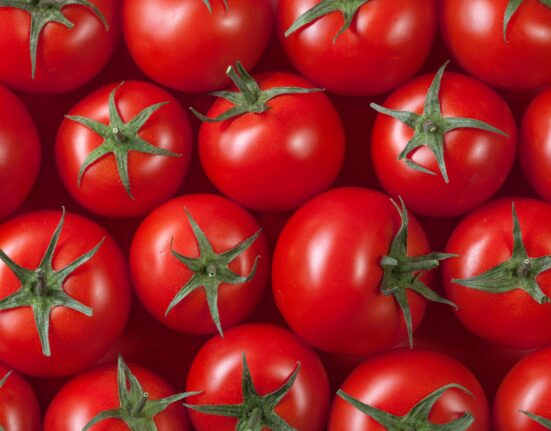
As shoppers pay closer attention to flavor and consistency, tomato suppliers see growth shifting toward a higher-value sales mix.

Produce companies are under pressure to reduce plastic, but shelf life and food waste are making the shift harder than it looks.
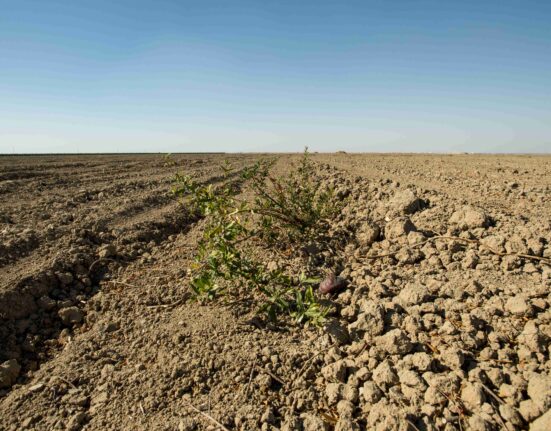
California growers are investing in efficiency and recharge, but tighter supplies are also forcing harder decisions about what, and whether, to farm.
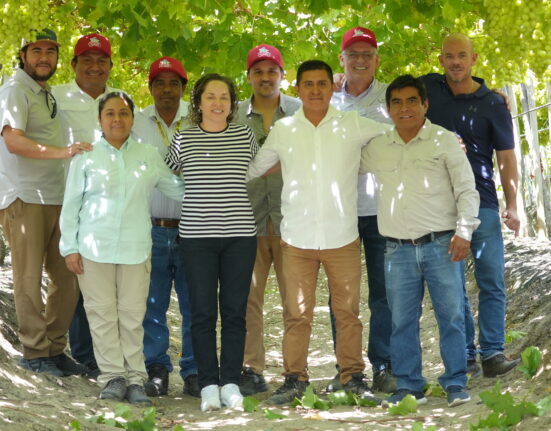
Built on deep agricultural roots in Mexico, Divine Flavor has developed into a multi-origin supplier of premium grapes and vegetables.
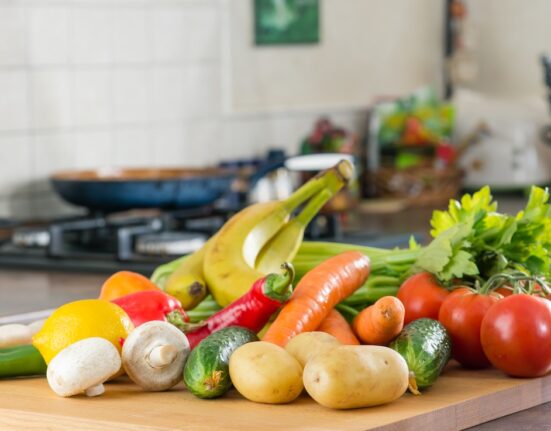
Economic pressure has not reduced demand so much as sharpened expectations about how food earns its place in daily life.
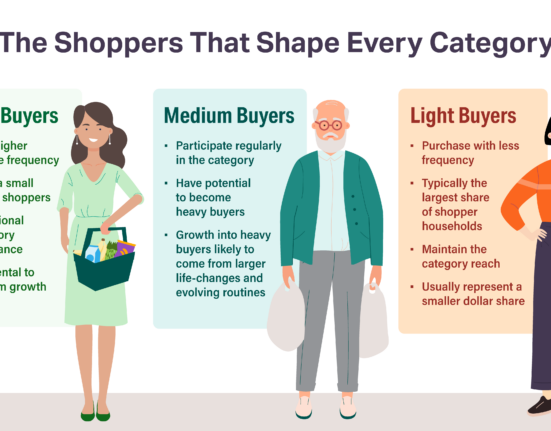
How segmentation helps us interpret evolving buyer behavior and identify the shoppers powering category growth.

After winning shopper curiosity and investor attention, the category now faces the harder task of turning trial into a lasting grocery habit.

The category is already trusted by shoppers; suppliers now see growth in making the category easier to use and harder to overlook.
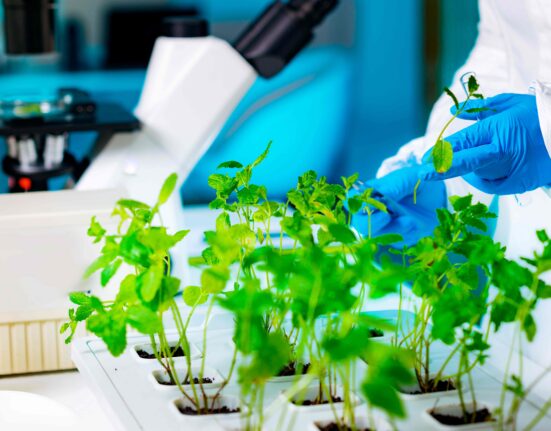
A new EU framework for plant breeding will narrow the regulatory gap with the U.S., giving fresh produce breeders more room to develop climate-resilient crops and consumer-friendly traits.
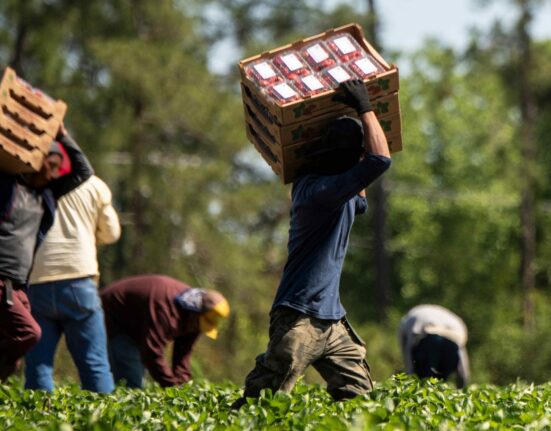
The new H-2A wage formula gives labor-intensive farms some relief, but it does little to solve the deeper labor shortage behind America’s rising farm wages.
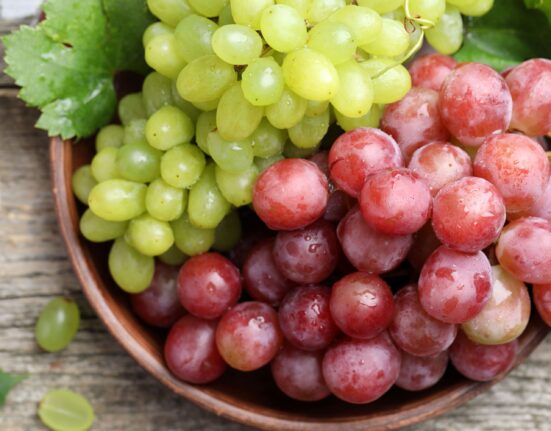
Expanded global sourcing, innovative flavor profiles, and growing consumer demand for healthy, convenient snacks are fueling a resurgence in the table grape category.
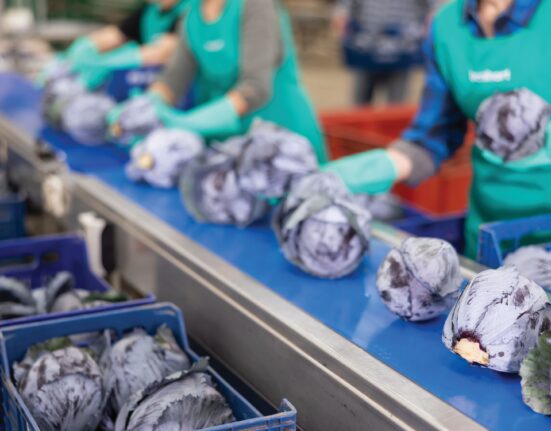
As the FDA grants a 30-month extension, produce firms face the daunting task of aligning complex global supply chains with the new Food Safety Modernization Act requirements.