
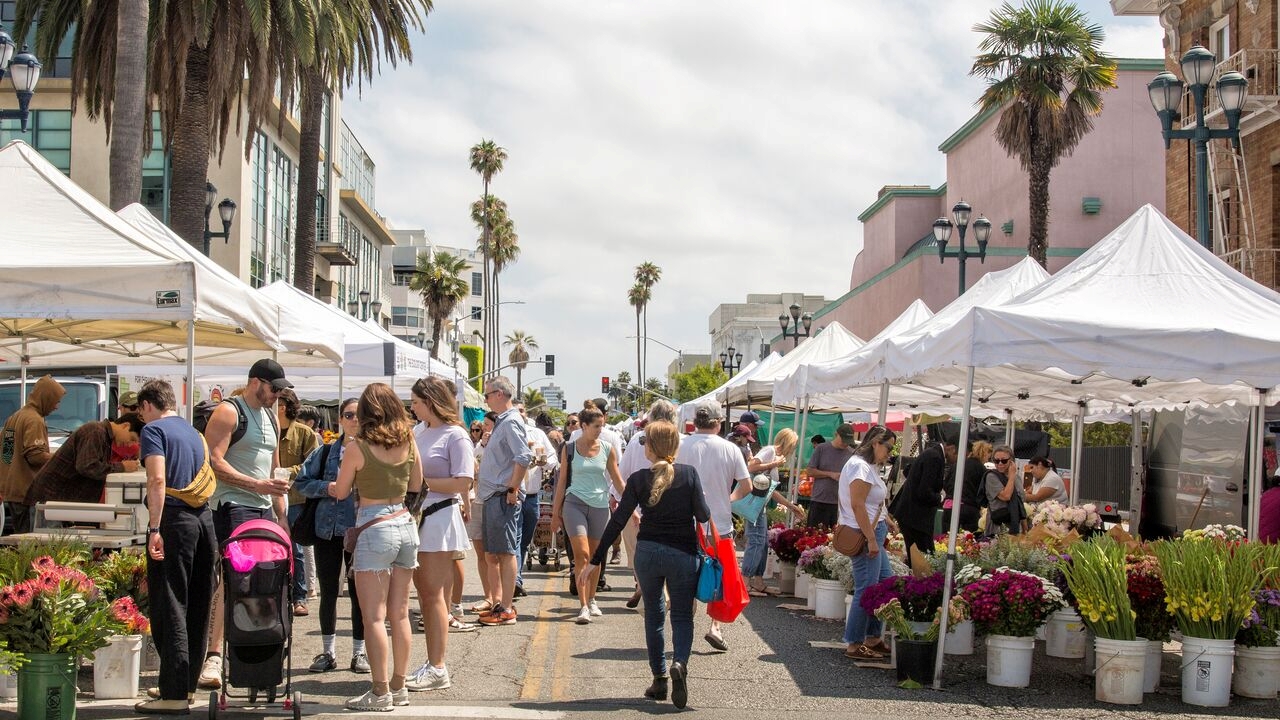
The farmers market has become such a fixture of American life that it had a place in this summer’s celebrations marking the 250th anniversary of American independence. A stretch of the National Mall in Washington was turned into a weeklong jamboree featuring leading vendors from across the country.
There was of course fresh produce galore, jams and pickles, country music, Smokey Bear, and, inexplicably, goat yoga. Health Secretary Robert F. Kennedy Jr. and Agriculture Secretary Brooke Rollins joined in the festivities.
It wasn’t always so glamorous. Evolving out of the traditional wholesale markets, farmers markets began to take off in the 1980s and 1990s as health and socially conscious shoppers looked for a way to buy high-quality fruit and vegetables directly from producers.
The farmers market in Portland, Oregon, began in 1992 with just eight vendors selling produce from the backs of their pickup trucks in an empty parking lot.
“But they came back the next week,” says the market’s new executive director, Amber Holland. And kept coming. Today, the Portland Farmers Market has more than 120 vendors and more than 180 stalls spread across city blocks.
After steady growth through the 1990s and 2000s, farmers markets really took off in the second decade of the century, as Americans grew more concerned about eating healthily and the impact of industrial farming techniques on food quality. As then-First Lady Michelle Obama dug up the South Lawn of the White House to plant chard, spinach and tomatillo, shoppers reached for their baskets and headed downtown.
The size of Portland’s main farmers market nearly tripled between 2010 and 2016, expanding to occupy three main blocks, notes Holland. By 2018, there were more than 8,000 farmers markets across the country, a fourfold increase from the mid-1990s.
It’s not just about getting your greens.
Socially minded shoppers feel better about handing their money to the people who grow their food rather than the faceless corporations that dominate food chains today. As such, farmers markets have become a vital outlet for smaller farms which struggle to survive in the wholesale business.
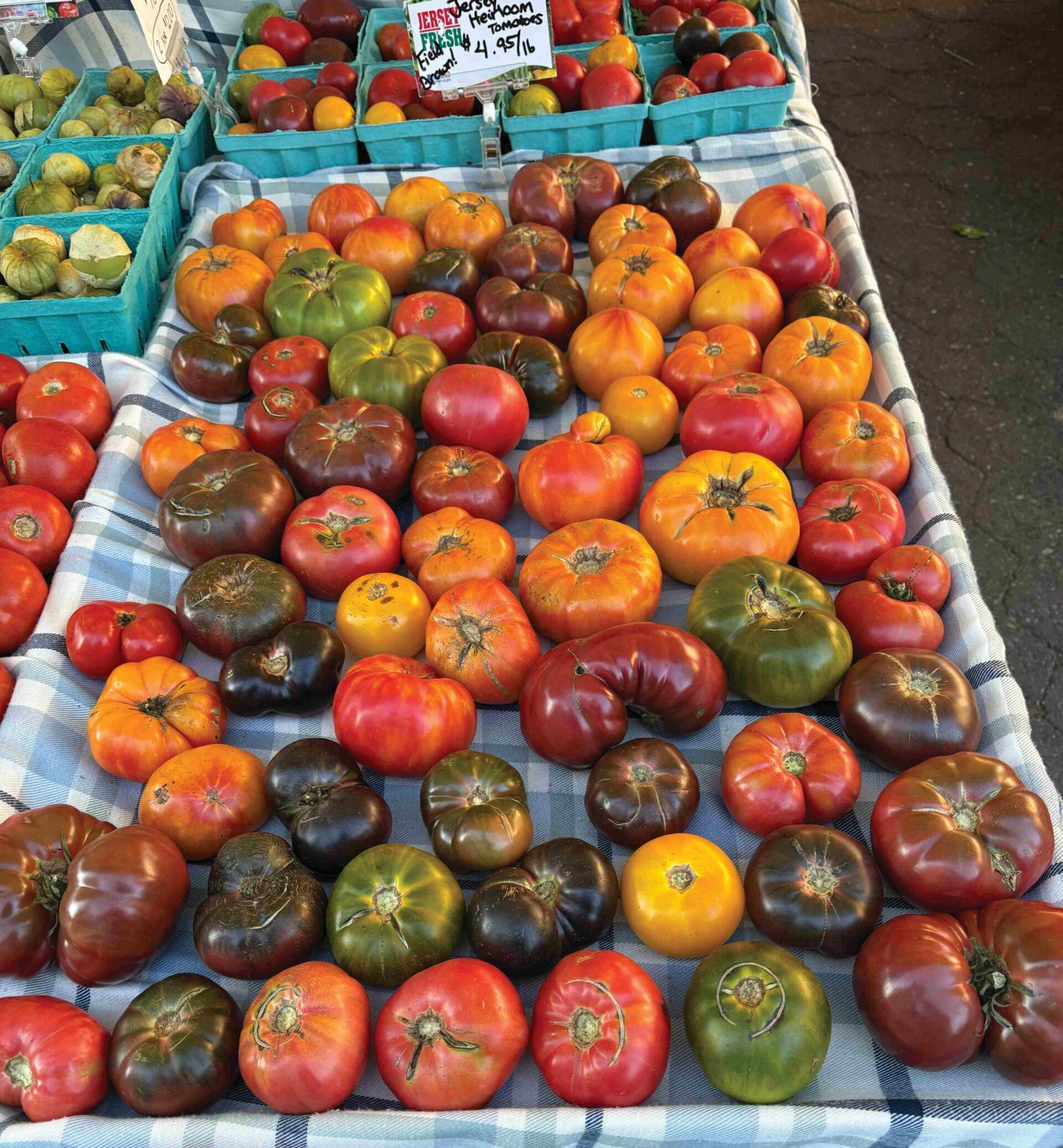
Lew dePietro, owner of Cherry Lane Farms in New Jersey, has been selling tomatoes, chards, eggplant and more at farmers markets for more than 40 years and can’t imagine doing it any other way. At just 60 acres, he can’t compete on scale, but selling at market allows him to access much better prices. Other farms might sell zucchini wholesale at a few dollars a box; by selling directly by the pound, he can make several times that amount. He also avoids the paperwork demanded by big outlets.
Crucially, selling at market also offers farms, usually struggling with liquidity, a constant revenue flow through the season, says Christina Couch, a young farmer. Research by the U.S. Department of Agriculture found that new farms are more likely to survive if they sell their produce directly.
Farmers markets have helped to inject new life into careworn city districts, which have suffered from the rise of out-of-town big-box stores. “Every city wants to have a market on a Saturday morning because it drives traffic to a downtown area and that also tends to help the other surrounding retail,” says Dawn Thilmany, co-director of the Regional Economic Development Institute at Colorado State University (CSU).
And customers love it. Visitors to the Portland Farmers Market include regular shoppers, foodies, families looking for fun, locals entertaining weekend visitors, and tourists. As well as trestle tables groaning with corn, kale and cranberries, most markets today boast a huge range of prepared foods to eat there or take home, handicrafts and often live music.
Unmet Needs
In the age of DoorDash, a food delivery company, and one-click grocery deliveries, taking a whole morning to buy your groceries on foot, outdoors and chatting with everyone about the weather looks like a throwback, but it works. “All of that stuff in farmers markets seems to meet some weird unmet human need. Is it theatre? Is it authentic? Is it that we as humans enjoy personalized transactions?” influential British adman Rory Sutherland said in a recent online interview.
However, growth has slowed since the boom times. The lockdowns triggered by the Covid-19 pandemic took some of the steam out of the sector and in some areas, demand appears to have maxed out.
“We’ve sort of reached the limit of those people who have the means and the desire to go to farmers markets,” says Philip Warsaw, an associate professor at Michigan State University, who advises the sector.
“It gets harder, as the wider market becomes more saturated, to attract the customer base and become significant to the community,” says Jaclyn Rivera-Krouse, farmers market manager at the City of Santa Monica in California.
But there is still potential to be tapped. Research in Seattle found that less than 10% of the population regularly shop at a farmers market.
For farmers markets to keep growing, they will need to expand beyond their current customer base. That can be difficult when many are run on a not-for-profit basis and lack the huge marketing budgets of supermarkets and other retailers.
“There’s a need to bring more people who aren’t already motivated to shop at the farmers markets to come in. And markets have struggled to do that,” says Warsaw.
Sticker Shock
One issue is image. As farmers markets took off in the 2010s, some writers and commentators began to criticize them as enclaves for wealthy, mostly white, shoppers who could afford to pay premium prices for premium products at a time when the country was reeling from the impact of the global financial crisis.
Prices can be high. “There can be some sticker shock if you’re used to paying something at a grocery store for protein and then you come to a farmers market,” says Holland.
But that is often because the produce is high quality. Much of it is organic or grown using more labor-intensive techniques. A butcher selling at a farmers market is more likely to offer prime ribeye than cheap cuts of ground beef. Fresh fruit and vegetables may have been picked that morning, or may be rare varieties, or may come with organic or other certification.
“People going to the farmer’s market…don’t mind paying the money for a little bit of a step up,” explains dePietro, who sells twice a week in the Union Square Greenmarket in New York City.
Local restaurants and groceries are one key customer base that increasingly buy at farmers markets looking for quality. DePietro estimates that restaurants account for up to 50% of sales when footfall is slow, including famed Manhattan eateries such as Gramercy Tavern, Blue Hill and Jean-Georges.
“When you’re dealing with a 5-star restaurant, you want to give them the best-looking Swiss chard, the most beautiful tomatoes you can,” he notes.
Selling to a famous restaurant — and the buzz that can create — is one of the draws for producers at the Santa Monica Farmers Market.
“For some of the farmers, it’s like I’m meeting a movie star,” says Rivera-Krouse. “Having that connection to the chefs and the larger-scale buyers is pretty critical, especially for a midweek market.”
Yet after the bout of inflation that has seen U.S. food prices rise sharply since 2019, the difference between farmers markets and other outlets has narrowed and, in some cases, may even have reversed.
“It seems like gradually the playing field has leveled out, and prices for local foods have actually become pretty competitive with supermarkets,” says Thilmany at CSU.
When outbreaks of bird flu triggered mass culls at factory farms, pushing up egg prices, small producers were less likely to be affected. In some cases, eggs sold at farmers markets were cheaper than those in local grocery stores.
“When you compare like-for-like products, you tend to see the price differences aren’t always that big,” notes Warsaw.
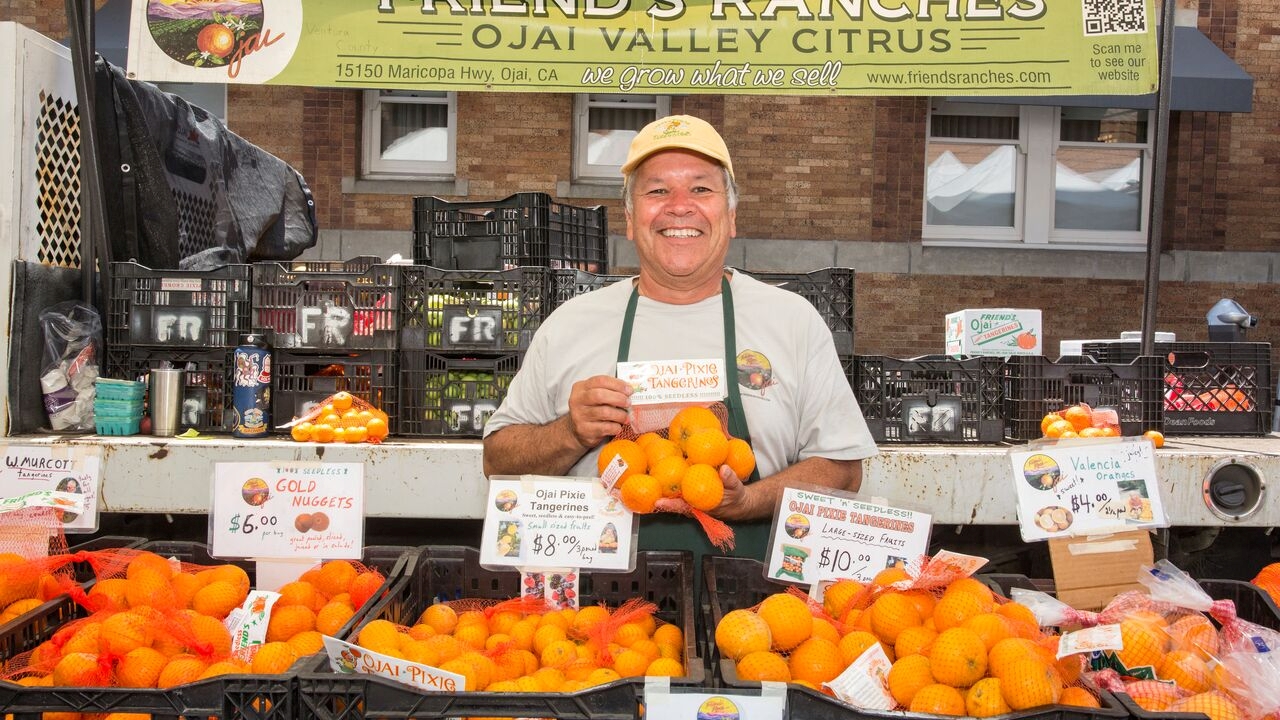
A major change came in the 2000s, when farmers markets began accepting food stamps, which has since been renamed SNAP, the Supplemental Nutrition Assistance Program. Today, tens of millions of Americans rely on SNAP benefits. Even better, many states run schemes, such as Double Up Food Bucks, that stretch those benefits further when used to buy fresh produce.
This has been a game changer for millions of families who now have access to better quality foods at affordable prices.
“Although local offerings are still more expensive, they’re generally viewed as worth it by shoppers because you buy produce the day it was picked and end up throwing less away,” says Thilmany at CSU.
Markets are also trying to broaden their appeal in other ways. In East Lansing, Michigan, the local farmers market has made a special effort to draw students from nearby universities, offering them discount vouchers for purchases. Often new to the city, students may not even be aware of the farmers market on their doorstep.
Another challenge is making farmers markets more ethnically diverse. In Portland, the key has been to bring in vendors offering the kinds of products that different communities want to buy, whether specialty produce, new herbs and spices, or prepared foods.
“When shoppers see themselves reflected in our vendors, it becomes a space for them,” says Holland.
Visitors to the Portland Farmers Market can now enjoy Oaxacan tamales, African sambuusas, Brazilian açaí bowls, and Polish sausage and pierogies.
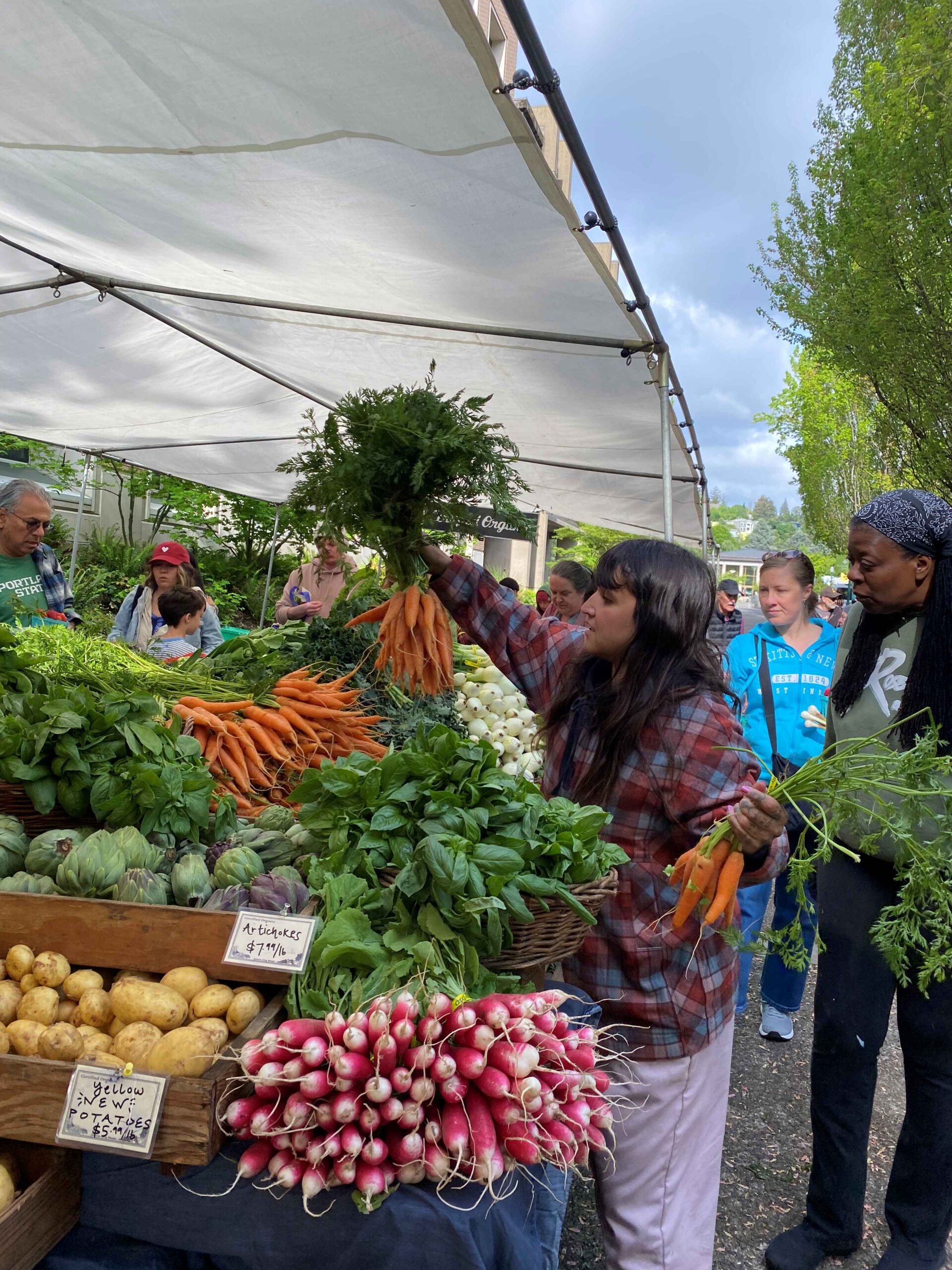
“It’s exceptional quality food represented by folks who are either from those countries themselves or who have deep ties to that particular culture,” she says.
While existing markets are looking for ways to grow, other localities still want one of their own, tempted by the possibility of sprucing up a depressed downtown or improving access to quality food.
In the wake of the pandemic, many downtown areas have gone into apparent terminal decline as former office workers work from home, or companies move to out-of-town bases.
Portland suffered the twin shocks of a prolonged lockdown and intense protests over police violence following the death of George Floyd in 2020. The city is still recovering.
“Lots of companies have moved away,” admits Holland, taking valued customers with them.
But while customers could return, many market managers’ main fear is whether they will have enough farmers.
“Everybody wants to have a farmers market now and there’s not enough farmers to go around to sell at Saturday markets in dozens of cities,” says Thilmany at CSU. After all, selling at a farmers market is not a bowl of cherries.
For dePietro, it means rising at 2 a.m. to load the truck, driving three hours to New York, spending a whole day on his feet, and not returning home until 8 p.m. Traffic at the market can vary enormously depending on the season, weather and holidays, while shoppers’ tastes can change with the wind.
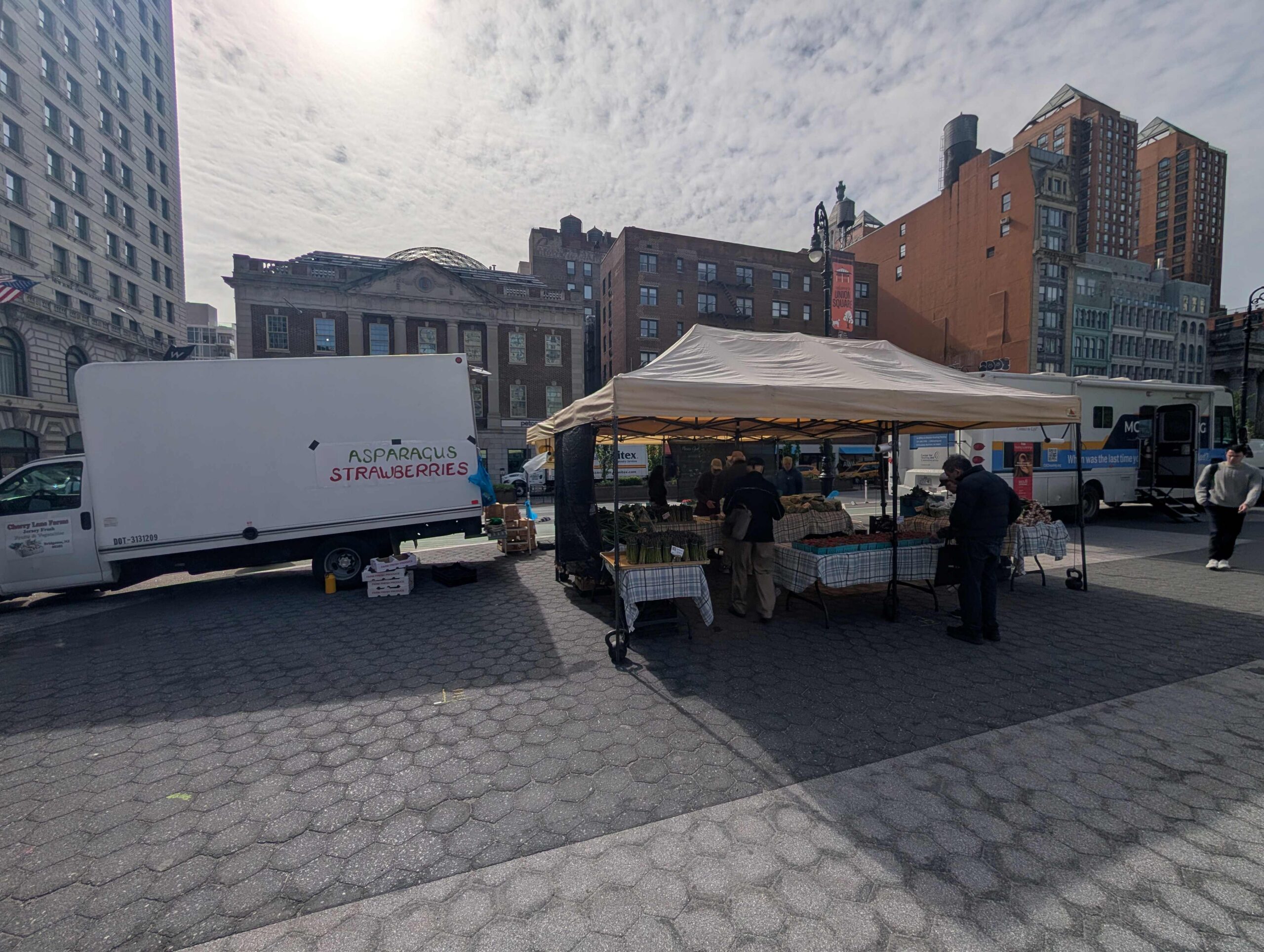
“I put in a big field of fennel, couldn’t give it away… all of a sudden the New York Times posts a recipe, so they want the Sicilian eggplant, or they want this super Tuscan type kale,” he says.
To keep farmers hooked, some markets have begun offering them discounted stall rates, while charging more to hot food vendors and handicraft sellers.
But the concern reflects a wider problem in American agriculture. America’s farmers are getting older, while high farmland prices create a major barrier for many new entrants.
“I’d really like to identify a lot more of our younger farmers,” says the City of Santa Monica’s Rivera-Krouse. “A lot of our farmers are older, and I’m concerned about that next generation.”
Another worry is the trend towards bigger and bigger farms, squeezing out the smallholdings that are the lifeblood of the sector. But increasingly, farmers markets are attracting a feisty army of food artisans — picklers, cheesemakers, brewers and bakers — who are breathing new life into the sector, notes CSU’s Thilmany.
So, despite the challenges, few doubt that these hubs of entrepreneurship are here to stay. The going may be tougher, but farmers markets should still be thriving when America next hangs out the bunting.