
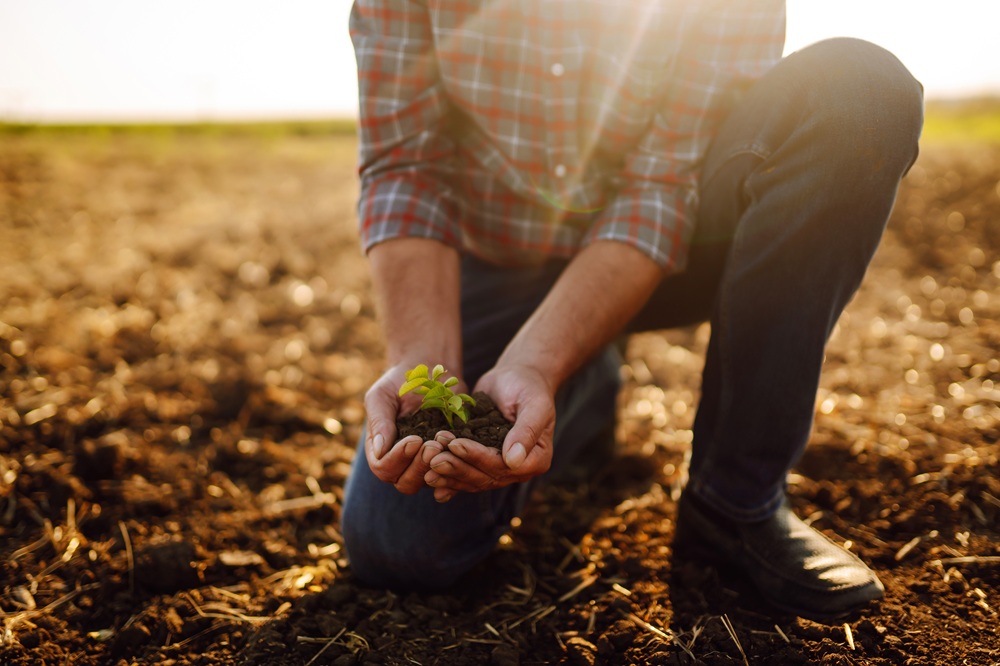
Farmers markets. Pick-your-own. Community gardens. No matter the format, demand for locally-grown food is up, and shows no sign of slowing down again. Shoppers nationwide are questioning where their food comes from, how it’s grown, and the impact — both negative and positive — that it’s had on their environmental footprint. In fact, 70% of consumers say sustainability is more important to them when making purchasing decisions than it has been in the past.
Bottom line – for most consumers, it’s not enough for products to just taste and look good: they need to do good too.
This is a welcome shift for small operations that sell at farmers markets and partake in co-ops, but for national brands, with massive networks of hundreds of growers and a presence on grocery store shelves in every state, it gets a little trickier. How can a multi-million dollar company come off as relatable but not inauthentic, sustainable but not greenwashing, and polished but not stuffy?
The Problem
Understanding and acknowledging customer demands isn’t just good business practice — it can be the defining factor between a company that profits and prospers for years to come and one that falters. The rising demand for locally-grown produce has forced a pivot in how companies market not just their produce, but their brand as a whole.
Gone are the days of generic branding, mass-market messaging, and anonymous supply chains. Rather, they’re heavily leaning into calling out local roots, sustainability, and the people that are behind the product. Doing so creates the sense that a brand isn’t just something you buy from, but something that you have an experience and connection with — a key factor in boosting sales as more consumers look for a personal experience in their shopping decisions.
Have you ever stood in a grocery aisle, wondering what the difference is between half a dozen brands that sell the same type of product? You’re not alone. Shoppers have more options than ever before to choose from when it comes to what goes into their grocery shop. When shoppers are standing in the aisle making that decision, there are so many factors to consider — and the story behind produce is now one of them.
The Solution
Today’s consumers aren’t just buying produce — they’re buying into values. And companies that want to stay relevant need to not just tell, but show how they’re making a difference. It starts with spotlighting the people and priorities behind the product.
One of the most powerful tools in a brand’s communications toolkit is storytelling. From multigenerational grower profiles to behind-the-scenes moments with the team who plant, harvest, and package products, storytelling can create a real emotional connection. These narratives reflect the deep love of the land and passion placed on farming, helping to build trust.
Many companies, produce brands included, are getting creative with their packaging, using it to share more about the people behind the product by including the location of the farm, the name of the individual who packaged the goods, or even a QR code to direct consumers to learn more about the process behind the product. These little adjustments go a long way in creating a deeper emotional connection and establishing a clear sense of transparency, helping build a more meaningful experience for shoppers.
It doesn’t need to stop there. Across various communication channels, brands are sharing stories about how they’ve accomplished these changes. Operations managers cover how the supply chain was reworked to save energy, quality control specialists share how they repurpose unsellable products into compost, and packaging designers explain how they’re able to minimize plastic and encourage recycling with their packaging. These stories — and others like them — show that ethical and sustainable practices aren’t just a marketing ploy, but rather are embedded in the company culture.
Even large brands are finding creative ways to operate with purpose. From social campaigns calling for sustainability shifts to thought leadership about the future of ethical food, brands are using their platforms to take a stand.
Why Does It Work?
All of these efforts share a common thread: even the biggest brands can act with the heart of a small one, leading with values like sustainability, ethical sourcing, and deep respect for the people behind the product. They resonate with what shoppers want most: to feel good about what they’re buying.
Caring for local communities, protecting the environment, and supporting the people who grow our food establishes an emotional tie that goes beyond price or appearance on the grocery shelf.
When customers know their purchase supports a family farm, invests in cleaner packaging, or helps a brand give back, it establishes a sense of responsibility: my choices matter. That feeling drives loyalty, trust, and word-of-mouth — and helps brands stand out on shelves packed with near-identical options.
Local roots and sustainability aren’t passing trends; they’re the new baseline standard. As shoppers have an increasing number of options to choose from, they expect brands to put their values into action. Brands that lean in with real impact will earn their trust, while those that make false claims and greenwash their products risk losing that trust.
A well-told, well-lived story can nourish more than just the body. It can build a relationship rooted in purpose. For produce brands willing to invest in local communities and share that commitment honestly, the reward is more than a sale — it’s lasting loyalty.