
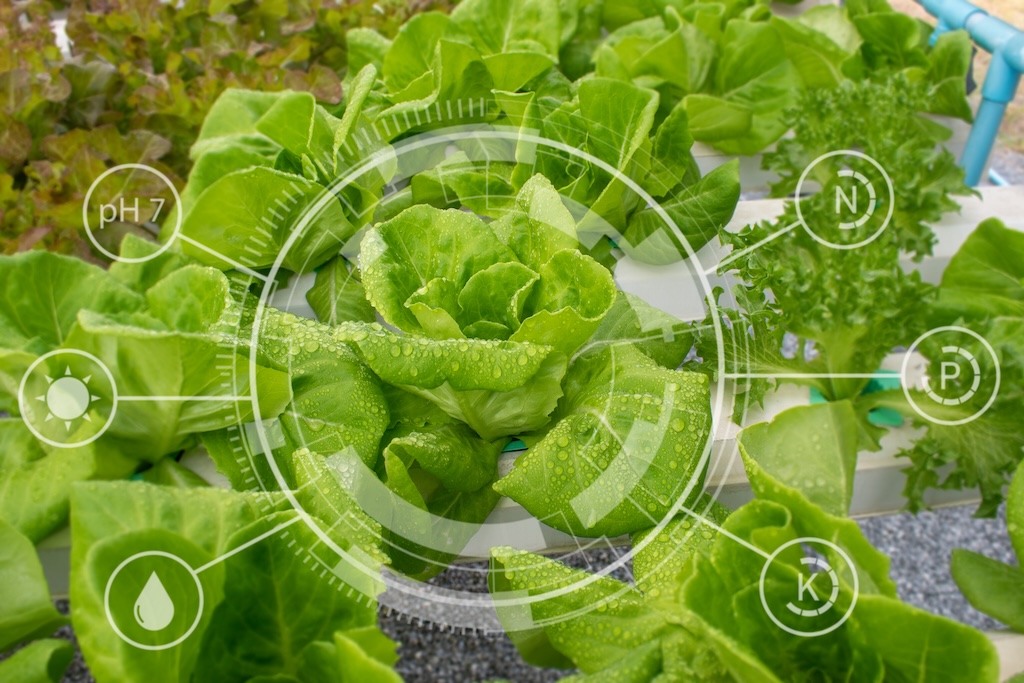
From the grocery perimeter to the center store, artificial intelligence (AI) is helping brands turn the idea of “freshness” into a measurable, marketable asset that shoppers can feel good about.
Take IFCO’s returnable plastic containers (RPCs). Partnering with Superior Grocers, these containers keep produce protected, reduce packaging waste, and maintain optimum temperatures from field to shelf. Traditional producers can offer many of the same freshness and shelf-life benefits as technologically advanced greenhouse and hydroponic growers.
Or consider supply chain software company Surgere, which uses RFID (Radio Frequency Identification) tracking to provide complete transparency in agricultural supply chains. AI-powered inventory management, combined with RPCs, custom smart sensors, and AI dashboards, keeps each partner informed about a product or shipment’s location, temperature, and handling. This kind of technology can be crucial when managing the effects of weather or delays at ports and other points throughout the chain. Besides reliability, shoppers gain proof that the food on their table has been handled carefully every step of the way. Retailers like Dollar General are partnering with AI-enabled platforms like Crisp’s Shelf Engine to support the launch of fresh produce and packaged meals. The tool can forecast ordering trends and help minimize waste.
Beyond Operational Efficiency
AI may not wear a hairnet or operate a forklift, but it’s quickly becoming essential in food, beverage, and retail operations. It works behind the scenes to optimize supply chains, monitor inventory, and reduce waste.
PwC, a consultancy, estimates that 50% of businesses have fully integrated AI into their operations. There is plenty of room for companies to improve efficiencies and explore opportunities to leverage those outcomes in marketing communications.
Consumers are becoming more comfortable with how AI can enhance their lives, from creatively planning meals to optimizing pantry ingredients. However, they are likely less aware of AI’s influence on grocery operations, including product availability or freshness.
In today’s retail world, being fresh isn’t sufficient; you also need to discover more ways to market it. That’s where AI shifts from a warehousing and transportation technology to a front-of-store storytelling tool.
Four Ways AI Marketing Helps You Stand Out:
- Freshness as a Differentiator
When you can save hours or even days on the field-to-shelf process, it’s worth celebrating.
- Sustainability You Can Prove
AI-generated data on waste, fuel use, and packaging reduction makes sustainability a tangible achievement rather than just a buzzword.
- Transparency and Traceability
Complete supply chain visibility allows you to demonstrate, rather than just tell, customers where their food originated and how it arrived.
- Inventory Confidence
Reducing out-of-stock issues leads to happier customers, increased repeat visits, and a stronger brand reputation.
Mindfully Market the Magic Behind the Scenes
As consumers learn more about the positive effects of AI, they also begin to understand how the technology and its associated data centers impact the environment.
According to a 2023 article published in Scientific American, experts predict that many of the same analytics mentioned earlier will eventually help offset AI’s impact on water and energy use in local communities. Brands can incorporate AI developments into their existing messaging about sustainability and food waste reduction.
Grocery shoppers might not worry about technical terms such as “predictive analytics” or “IoT-enabled visibility.” However, they do care about getting everything they need in one stop, finding ripe avocados, storing their Cabernet properly, choosing sustainably sourced salmon, or supporting zero-waste initiatives.
Consumer-facing communication looks like:
- Social media posts about how your produce hits the shelf in record time.
- Supplier pitch decks that highlight your sustainability metrics.
- Ads that promise a hearty supply of tailgate-ready ingredients during football season.
AI may be equalizing operational efficiency across the industry, but the advantage comes when you market those gains. In a crowded space, saying: “We get lettuce from the farm to your table 48 hours faster,” or “We’ve cut packaging waste by 40%” is the kind of specificity that sticks.
Companies like IFCO and Surgere show us that logistics isn’t just the operations team’s success; it’s a brand story ready to be shared. AI is continuously improving, offering possibilities like dynamic pricing linked to local events or highly targeted promotions based on predictive stocking. When shoppers face endless options, the brands that succeed are those that can promise and deliver freshness, sustainability, and trust. AI makes this possible. Marketing makes it powerful.
- Tristan Simpson is the founder and CEO of tristan michele marketing, a full-service, fractional marketing firm specializing in the fresh food industry.