
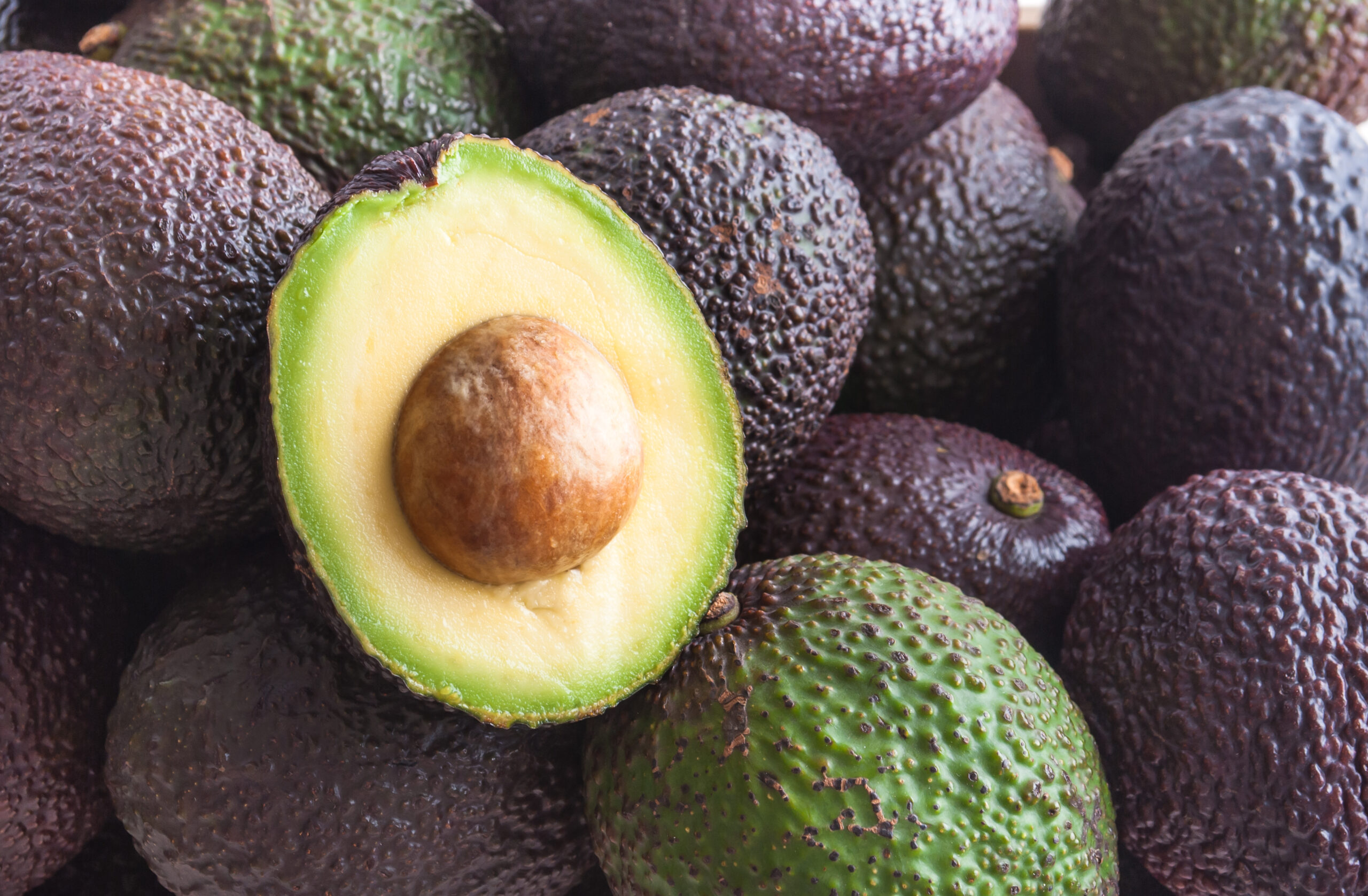
The avocado category is entering 2026 on a strong foundation. While the 2025 season brought a mix of record prices, shifting supply dynamics, and occasional market softness, industry leaders agree that the fundamentals remain sound.
Healthy trees, expanding plantings, and well-funded promotional efforts are creating confidence that the coming year will bring both stability and renewed growth. The combination of consistent supply and active marketing is setting the stage for another positive year for one of produce’s most resilient and fastest-growing categories.
The 2025 season was characterized by contrasts across growing regions. Giovanni Cavaletto, CEO of the U.S. division of Mexican avocado company GLC Cerritos, based in Ciudad Guzman, Jalisco, notes that Mexico’s crop year, which typically runs from July to June, began with record pricing.
“July 2024–April 2025 saw record pricing,” he says. “As other countries of origin entered the market in spring 2025, prices softened,” and continued to soften through the summer.
He describes six months of market erosion without any of the usual price upticks during key holidays such as Easter, Cinco de Mayo, or the Fourth of July — an unusual pattern for the category. “The rains have been generous, allowing for the largest size curve in many years,” says Cavaletto. “This abundance allows for greater promotional activity this fall that simply was not possible a year ago.”
In California, Terry Splane, vice president of marketing at the California Avocado Commission (CAC), describes 2025 as a good year overall. “It has been a solid 2025 California avocado season, with volume about 8% higher than an average year,” he says. “California avocado quality was excellent, and consumers in the Western region affirmed this in our recent tracking study, with nearly 75% of them saying California avocados are the highest quality avocados.”
Splane acknowledges that fluctuating import levels at times put pressure on local returns, creating uneven results across growers. “Market conditions were variable throughout the season, and at times, the supply flow from imports depressed the returns for local growers,” he notes. “Therefore, it has been a great year for some and a challenging year for others.”
Abundance and Opportunity Ahead
As the industry heads into 2026, expectations remain positive. “By having high-quality avocados year-round, consumption will continue to increase in the near future,” says Cavaletto. The expansion of sourcing regions, including Jalisco, is shortening traditional off-seasons and supporting consistent quality throughout the calendar year. “This improved year-round availability is helping maintain steady demand and reducing the pricing swings seen in previous years,” he says.
Meanwhile, Splane says California’s groves are showing excellent signs for 2026. “It is early to say, but generally the California crop volume is expected to be similar to 2025, again somewhat higher than average,” he explains. “I was out in some California avocado groves recently, and the trees appeared to be very healthy. There already is some good sizing of the fruit — it looks beautiful.”
Structural investment across the California industry also supports this optimism. Over the past decade, growers have planted more than 3 million new avocado trees.
“In some cases, these plantings replace older trees whose productivity was in decline, in other cases, to use more efficient, high-density planting formats and/or to cultivate different varieties, like the GEM, for crop diversity,” notes Splane.
“All of this means a positive outlook for production growth in California.”
Marketing and Category Support
Even with abundant supply, maintaining momentum depends on sustained consumer engagement. Cavaletto points to the role of coordinated promotional spending in keeping avocados top of mind.
“As an industry we spend over $70 million a year to promote avocados through the Hass Avocado Board and its avocado associations,” he says. “California, Chile, Colombia, Mexico and Peru each have associations that use these funds to promote consumption in the United States. The creativity that has come out of these six promotional associations will continue to drive consumption.”
He adds that these efforts are already expanding consumer occasions. “Avocados from Mexico is sponsoring the College Football Playoff this year, further cementing the cultural tie between avocados and football,” says Cavaletto. “This helps to expand the Super Bowl one-day event into a weekend opportunity throughout the fall and winter.”
For Splane, strong marketing is equally critical on the domestic front. The California Avocado Commission
continues to evolve its consumer campaign, balancing lifestyle content with a focus on sustainability and grower identity. “For the upcoming season, we will still be highlighting the fruit’s local origin, as well as the sustainable farming of our growers. But most importantly, we’ll be putting our growers front and center in our branded marketing communications, as they are the ones nurturing the land and the fruit every step of the way.”
Such combined investment ensures avocados remain a leading category in produce departments — backed by clear messaging around quality, origin, and health.
Category Growth Potential
Despite supply growth across origins, it appears there is ample room for demand to keep pace.
Splane says avocados continue to offer strong headroom for expansion. “Avocado supplies are expected to continue to grow from California and from other countries of origin in the near future,” he says. “There are some concerns this could lead to an oversupply situation, so it is critical that all origins continue marketing efforts to build commensurate consumer demand.”
He adds that per-capita consumption in the U.S. still trails some markets, and that there are several pathways for growth.
“There remains significant room for continued avocado category growth, especially in the markets farthest from California, where the category is less developed,” he says. “And even in the West and California, per-capita consumption lags some other countries. There is room for more frequent purchases, for increasing the number of avocados purchased on each shopping trip and for enjoying avocados 24/7.”
Cavaletto also sees continued expansion as likely, noting that avocados’ unique characteristics support lasting appeal. “We really don’t have any direct substitutes,” he says. “If you want a sweet fruit or a steamed vegetable there are lots of options. That is not the case with avocados. They are healthy, nutrient-dense, satisfying, and delicious — what else could you ask for?”
He says pricing and promotion will play key roles in ensuring the category continues to attract consumers. “Attractive pricing and high quality, supported by millions of dollars in advertising, will regain ground with consumers who might have left them out of the basket a year ago.”
Retail Strategies and Outlook
For retailers, maintaining this momentum will depend on thoughtful merchandising and active participation in category promotions.
Splane emphasizes that consistent availability and clear communication of origin can make a measurable difference.
“Retailers already know they need to ensure ripe avocados are on display and that they need to have enough product, quality product, to satisfy consumer needs,” he says.
“As consumption grows, some consumers now want to buy different ripeness levels in one purchase. Merchandising a full complement of avocado options — avocados in bags as well as bulk, conventional, organic, multiple sizes and sometimes a secondary variety — helps to optimize avocado sales.”
He also notes the value of transparent signage during the California season, explaining that phrases such as ‘California grown’ or ‘locally grown’ resonate strongly with consumers in the West, while ‘U.S. grown’ remains an effective motivator nationwide.
Cavaletto points to additional creative strategies that retailers can use to drive impulse purchases. “Be it bags, display bins for extra shelf space, or demos, there are lots of ways to take advantage of avocado promotions this year,” he says.
“One of the most creative ideas that I have seen is pairing avocados in the chip aisle. Another chain in Southern California had full cartons staged at each checkout register in conjunction with a holiday.
“That gave customers the opportunity to add avocados to their basket as an impulse buy, as if it were a pack of bubble gum or a candy bar.”
As 2026 approaches, there is confidence in the air. Quality, supply, and marketing resources are aligned to keep the category vibrant. For retailers and suppliers alike, the message is consistent: after a period of adjustment, the avocado category is positioned for another year of healthy growth.