
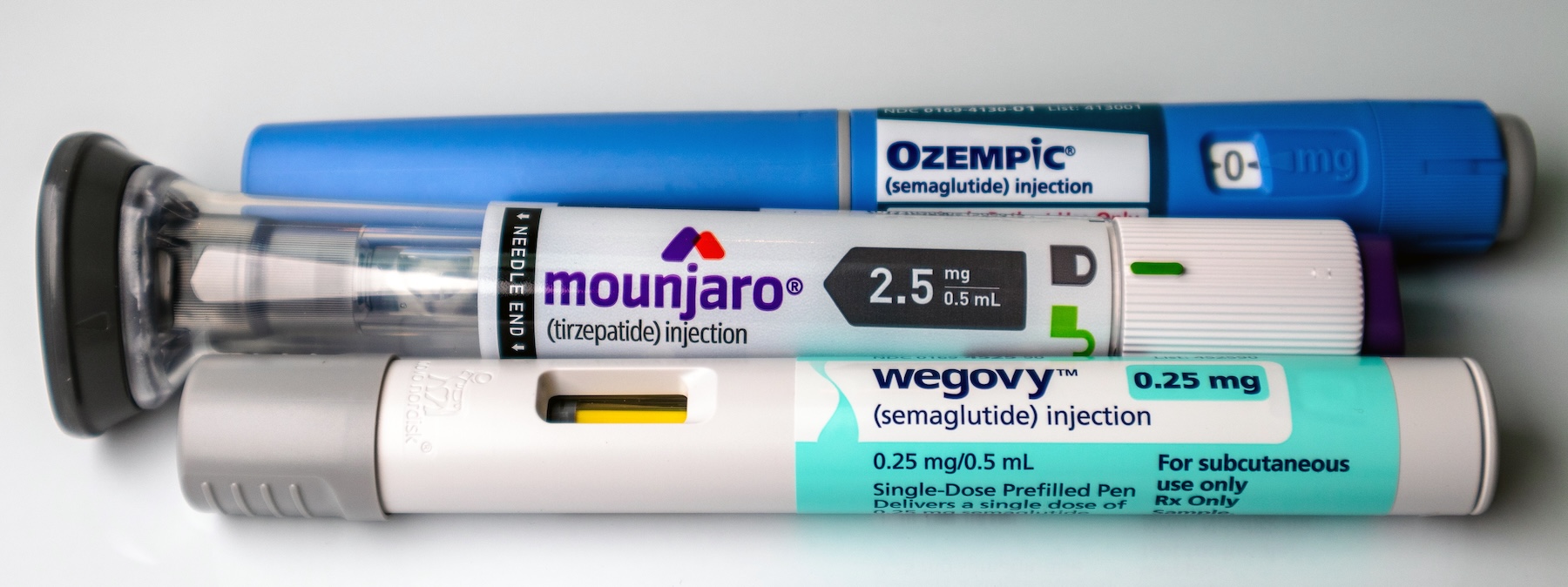
When pharmaceutical companies developed GLP-1 medications such as Ozempic and Wegovy to treat diabetes, they didn’t anticipate fundamentally reshaping the fresh produce industry.
Goldman Sachs reports the number of GLP-1 users could be as much as 15 million people, or 13% of the U.S. adult population with obesity, by 2030. But the real story isn’t just in the numbers, it’s in the purchasing behavior these consumers are creating.
While millions of Americans inject semaglutide or take tirzepatide to manage their appetite, they’re creating an entirely new consumer segment that’s rewriting the rules of fresh produce purchasing. Recent data reveals that 84% of GLP-1 users boost their produce purchases, with 35% trading up to premium and organic options. Even as their overall grocery spending drops by 6%, their produce purchases rise.
For an industry accustomed to competing on volume and price, this represents a fundamental shift toward quality and value that many companies aren’t prepared to capture.
The Quality Imperative That’s Changing Everything
GLP-1 users operate under an “every bite counts” psychology. With dramatically reduced appetite, they want nutrient-dense foods that deliver maximum value per calorie consumed.
This creates purchasing behavior shifts that forward-thinking produce companies are capitalizing on: smaller quantities but higher standards, extended freshness requirements over longer consumption periods, and heightened quality expectations where a single poor-quality item carries disproportionate impact.
The companies recognizing this shift early are discovering competitive advantages that extend beyond any single consumer trend. This demographic overlaps significantly with aging populations seeking functional foods, health-conscious millennials prioritizing nutrition, and the growing food-as-medicine movement.
The Operational Reality No One’s Talking About
This shift requires different operational approaches rather than traditional high-turnover models. Packaging and inventory management become more complex when serving consumers who buy smaller quantities but expect longer shelf life.
Cold chain investments gain new ROI potential. When consumers pay premium prices for guaranteed freshness, enhanced preservation technologies become essential for capturing premium pricing. Companies that previously saw post-harvest quality solutions as nice-to-have are discovering they’re critical for competitive differentiation.
Take broccoli: traditionally optimized for volume and speed, the supply chain is being re-engineered by forward-thinking companies to deliver consistent quality and extended freshness. Those investments are paying off through access to premium retail channels and health-focused consumers willing to pay for guaranteed quality.
The Billion-Dollar Opportunity
The fresh produce industry represents a multi-billion-dollar market, and the GLP-1 effect creates unprecedented scale potential. If the predicted growth of GLP-1 users holds true, even a single percentage point increase in produce consumption translates to billions of additional dollars flowing into the industry.
Companies positioning themselves as health partners rather than commodity suppliers are discovering competitive advantages that capture multiple high-value consumer segments simultaneously. But the real opportunity lies in understanding that this isn’t just about serving a niche market. It’s about preparing for a fundamental shift in how significant portions of the population approach food purchasing.
Brand differentiation becomes possible in previously commoditized categories. While competitors focus on volume and price, leaders compete on health outcomes and quality assurance. Premium pricing gets justified through measurable health benefits rather than just marketing claims.
Early retail adaptations are showing success. Retailers positioning produce sections around health outcomes rather than price points see stronger performance among health-conscious consumers. Companies investing in messaging around nutritional density, freshness guarantees, and premium quality are capturing loyalty from consumers willing to pay for value.
What Companies Need to Do Now
The window for capturing first-mover advantages is narrowing. Companies should think in phases:
- Immediate actions include assessing current quality preservation capabilities and evaluating product positioning and merchandising. Staff training on nutritional messaging becomes essential when serving health-focused consumers.
- Medium-term investments should focus on enhanced cold chain and quality preservation technologies that enable premium positioning. Strategic partnerships with health-focused retailers create distribution channels aligned with target consumers.
- Long-term positioning requires building brand equity around health and quality rather than just freshness and value. The goal is developing customer loyalty through consistent premium experiences that justify higher prices.
The measurement framework must shift from volume metrics to margin improvement, customer retention, and premium positioning success.
Beyond GLP-1: The Bigger Picture
This represents more than just the GLP-1 phenomenon. It’s part of a broader consumer evolution toward health-conscious, quality-focused purchasing reshaping food retail across categories.
The new wave of GLP-1 drugs has food companies researching to fulfill the needs of this consumer base prioritizing protein, fiber, less sugar, and convenience — and who demand fresher, longer-lasting food. But inaction isn’t neutral. While companies wait for others to move first, they’re missing opportunities to capture the industry’s most valuable consumers. The alternative is continuing to compete in an increasingly commoditized volume game while watching others capture premium market segments.
For companies that grow and sell produce, the choice is clear: Success in tomorrow’s market requires investing in quality, preservation, and health positioning today. The GLP-1 effect is doing more than just changing how people eat, it’s revealing which companies are ready for the future of food.