
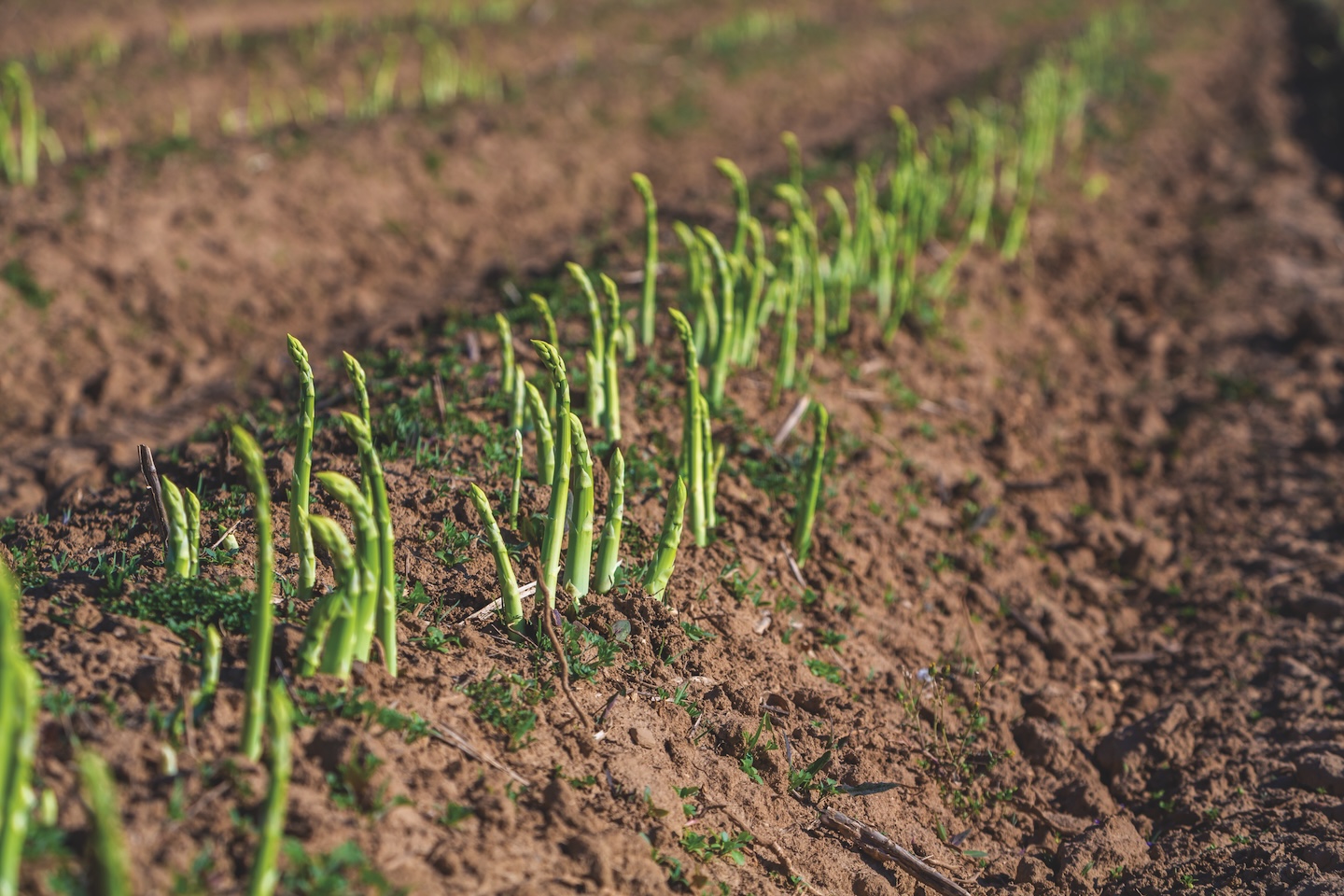
It is hard to think of a vegetable that combines seasonality, visual impact, and versatility as clearly as asparagus. For retailers, it functions as both a signal of spring and a reliable, high-performing green vegetable with broad consumer appeal.
Once viewed primarily as a premium or special-occasion item, asparagus has steadily evolved into a more routine part of the produce mix, supported by quick preparation, compatibility with proteins, and consistent merchandising opportunities.
At retail, asparagus has also evolved in how it is perceived by shoppers. “Asparagus traditionally has always been associated as a premium product,” says Eva Viveros, domestic sales and marketing at Altar Produce. “However, today shoppers tend to observe the asparagus as a super versatile and everyday product, from grilling to roasting and pairing with proteins it is a great addition to the menu.”
That shift has helped broaden the category’s appeal beyond special occasions, reinforcing asparagus as a routine vegetable with seasonal momentum. The vegetable’s nutritional profile — low calories and high in nutrients — “reinforces its perception as a smart, healthy choice on the plate,” says Viveros.
Retail Execution and Everyday Appeal
Jamie Clover Adams, executive director of the Michigan Asparagus Advisory Board — state-authorized checkoff representing the state’s asparagus growers — echoes the importance of execution at retail, noting that asparagus remains highly dependent on impulse purchasing.
Maintaining proper hydration with fresh water, ensuring the product is easy to find, and leaning into locally grown messaging during the Michigan season can make a meaningful difference, she says. Clear signage, simple usage cues, and pairing ideas can further encourage shoppers to add asparagus to their carts.
The U.S. asparagus category operates within a carefully coordinated supply calendar designed to support year-round availability. “The asparagus category is truly global,” says Viveros, noting that Mexico and Peru are key sources of imported product.
Mexico remains a cornerstone of winter and early-season supply, with the Caborca region in the northern state of Sonora providing significant volume at the start of the year. “Mexico always has been a big player during the wintertime based on Caborca’s strong volume,” says Viveros, adding that expanded production in Baja California Sur has increased Mexico’s participation later in the year.
Mexico continues to anchor winter and early-season supply, while Peru plays a critical role outside peak North American harvest windows. That balance allows retailers to maintain continuity while still highlighting domestic product during seasonal windows. For suppliers such as Altar, diversification across growing regions and customer bases has become increasingly important to managing risk and ensuring consistent supply.
From a market standpoint, Viveros notes that mid-February represents a key transition period for the category, as supply from Mexico ramps up and retailers begin planning for spring promotions. This period often sets the foundation for March programs and Easter demand, when volumes are more ample and asparagus is positioned more prominently at retail.
Managing a Narrow Domestic Window
Within the domestic U.S. landscape, Michigan is the most important asparagus-producing state, supplying fresh product during a compressed spring harvest. “The 2025 season progressed in fits and starts due to cool weather early in the harvest window,” says Clover Adams. “Despite those challenges, demand from both fresh packers and processors remained strong throughout the season. From a promotion standpoint, consumer enthusiasm for Michigan asparagus was high across the entire 7–8 week harvest period.”
That balance between fresh and processing demand helped provide stability for growers during a season marked by weather variability, supporting movement across channels even when harvest timing proved uneven. Consumer interest also held steady.
“One of the most significant challenges Michigan asparagus growers face is competition from imports that enter the U.S. market during our peak harvest months of May and June,” says Clover Adams. “In response, growers are focused on producing the highest-quality product possible — fresh, U.S.-grown asparagus with a longer shelf life that offers strong value for cost-conscious shoppers.”
The Michigan industry continues to emphasize the crop’s seasonal identity. “Growers are also leaning into seasonality, positioning Michigan asparagus as the first fresh vegetable of the season in the Upper Midwest, a distinction that resonates strongly with both retailers and consumers,” says Clover Adams.
Viveros says sustainability is also a growing focus for Altar Produce, from reducing environmental impact and improving water use to expanding recyclable packaging materials, as part of broader efforts to strengthen long-term resilience and consumer trust in the category.
Managing overlap periods, when multiple origins are available, remains one of the category’s defining challenges. “Retail demand is solid, and this is the period when retailers and partners rely on consistent supply to support front-page ads and promotional programs,” says Viveros.
“Pricing pressure remains a constant challenge in the industry, balancing the need for competitive promotional pricing while managing rising cost structures in growing regions. Success in this environment depends on collaboration, realistic forecasting, and aligning promotions with supply availability,” she says.
Labor, Costs, and Challenges
Cost pressures remain a defining challenge for Michigan growers. “Asparagus is a hand-harvested crop, and labor represents nearly 50% of total production costs over the life of an asparagus stand,” explains Clover Adams. She notes that Michigan growers have relied on the federal H-2A program for nearly a decade, during which required wage rates have increased sharply.
Recent regulatory changes have provided some cautious optimism. “Michigan asparagus growers are encouraged by the recent U.S. Department of Labor rule that better aligns H-2A wage rates with market conditions,” says Clover Adams, adding that improved predictability could support reinvestment in replanting and on-farm infrastructure. Demand from processing channels has also helped support the category. “The processing market remained strong in 2025, and we think those gains can be sustained into 2026,” she says.
Looking ahead, expectations for domestic asparagus production remain steady. In Michigan, acreage has held relatively constant, shaping outlooks for the coming season.
“Michigan asparagus acreage has remained relatively steady, so we expect overall volumes in 2026 to be similar to recent seasons,” says Clover Adams. Producers are also watching the weather closely.
“Growers are hoping for more traditional spring weather, which would allow for a more predictable and manageable early harvest,” she says.
“We also anticipate continued strong consumer enthusiasm for Michigan asparagus. From a promotion standpoint, we will support the season with a coordinated social media campaign and targeted in-store promotions designed to keep Michigan asparagus top of mind and in consumers’ shopping carts.”
Viveros says future growth depends on continuing to position asparagus as a simple, everyday option rather than a once-in-a-while purchase. Quick preparation methods offer opportunities to reach younger consumers and families, while consistency and quality remain key to driving repeat purchases, she notes.
“I am optimistic about asparagus as a category; it is a great product with a clear aligned direction on consumer expectations — healthy, simple, high-protein meal companion, quick preparation and versatile,” adds Viveros.
“This is to improve our message on better value creation to repeat purchases through consistency and quality. Focusing on the new generation of shoppers and kids is another quick win for the category. Growth comes from positioning asparagus as a routine vegetable, not a special-occasion one — quick prep, air fryer, sheet pan, grill, salads, and breakfast applications.
“From new packaging and convenience formats to premium programs up to sustainability, transparency and educational materials are part of our strategy to grow our category and consumer trust.”