
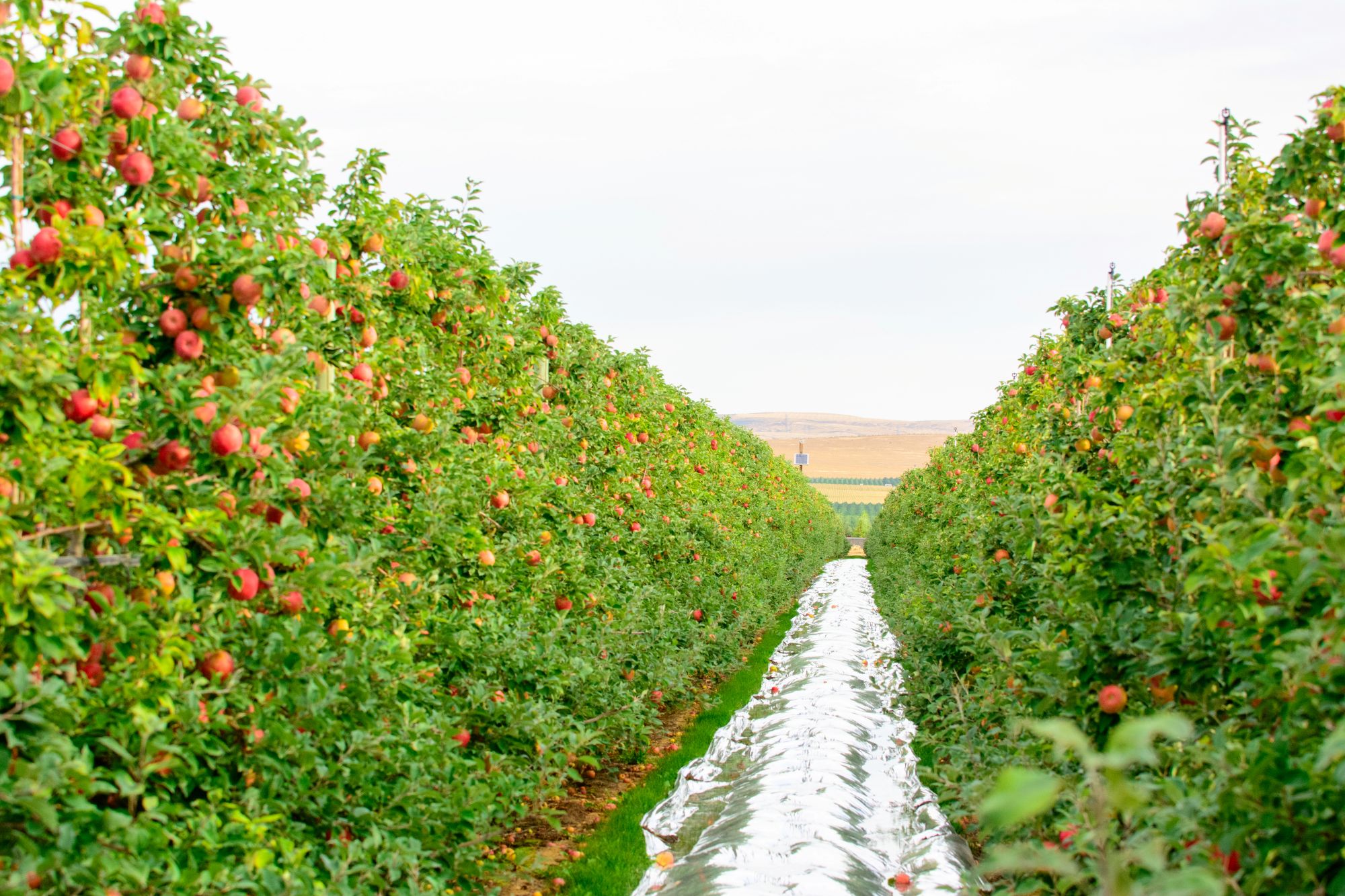
The U.S. apple category has something few produce categories can claim: it is both deeply familiar and still capable of reinvention. Apples are a daily staple, a lunchbox fixture, a baking ingredient, a salad component and, increasingly, a premium snacking item shaped by variety, flavor and brand.
For retailers, that makes the category unusually flexible. For growers and suppliers, it creates both an advantage and a challenge: apples already belong in the basket, but the industry still has to give shoppers new reasons to buy them more often.
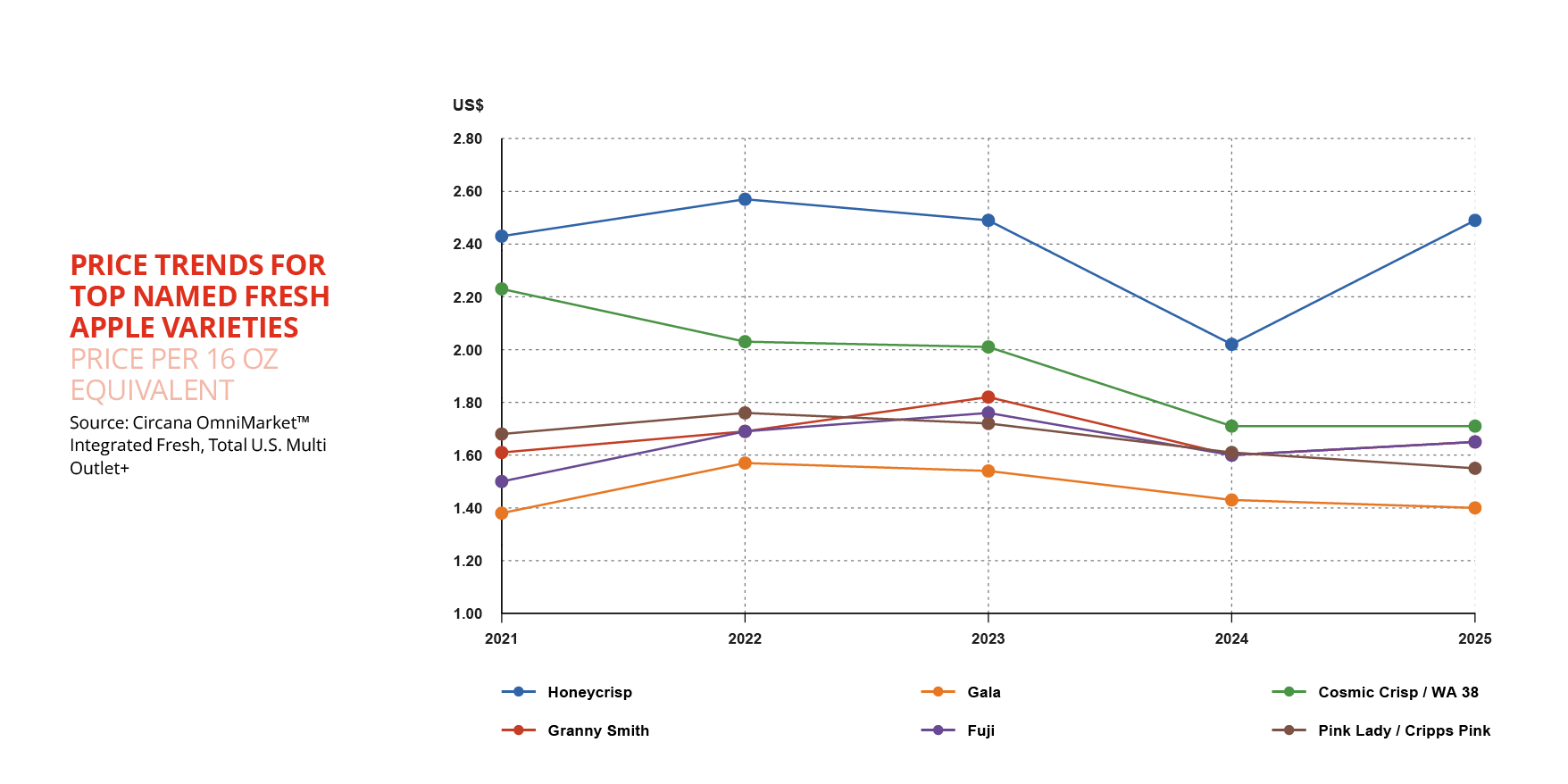
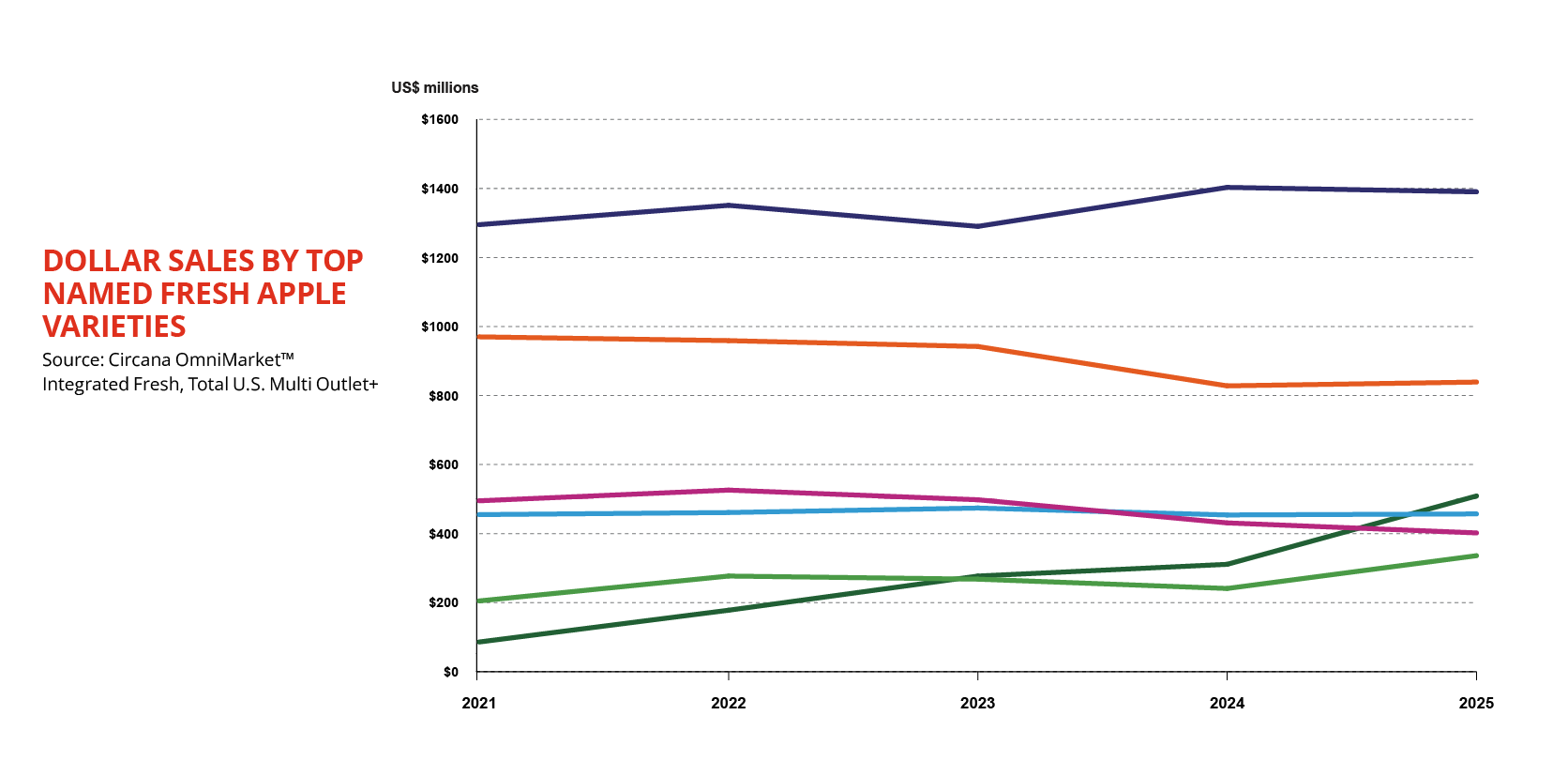
As summer begins, the category is entering the season with something many produce departments would welcome: steady movement, broad consumer familiarity and room to trade shoppers up. According to Julieta Castillo, marketing coordinator at Yakima-based Superfresh Growers, apples have recently been outperforming the wider produce department, with volume sales up 3.6%, led by strong movement from Honeycrisp, Cosmic Crisp and Pink Lady apples, based on Circana data for the four-week period ending March 22, 2026.
For Lynsee Gibbons, director of communications at the Falls Church, VA-based U.S. Apple Association (USApple), apples “continue to stand out as a high-performing category, uniquely positioned at the intersection of taste, health, familiarity, and convenience.”
“For consumers, they are a go-to daily staple thanks to their satisfying flavor, wide availability, long shelf life, portability, and strong nutrient profile,” she says. “With a growing interest in eating more fiber, apples also provide an easy and approachable way to close that gap. From a retail standpoint, apples are a dependable traffic and basket builder with broad demographic appeal and a range of price points and varieties that let retailers serve both value-oriented and premium shoppers.”
Brianna Shales, marketing director of Wenatchee, WA-based Stemilt Growers, sees the apple category as “stable but undergoing meaningful transitions,” shaped by supply, pricing and changing shopper expectations. Inflation has made consumers more careful about where they spend, she notes, placing more pressure on retailers to create value at the point of sale.
“It’s a time when a strong retail strategy is needed to win over consumers at the point of sale by bringing extra value to the fruit they are buying,” she says.
The Snackability Opportunity
The next opening for apples may be less about reaching new households than giving existing buyers more reasons to pick them up.
“We’re seeing a clear opportunity to position apples as the go-to snack,” says Castillo, pointing to growing consumer interest in healthier options at retail and the rise of GLP-1 weight loss medications. “As these medications suppress appetite and shift eating patterns toward smaller, more intentional portions, consumers are placing greater value on foods that deliver both nutrition and satiety in a convenient format.”
That creates a useful retail message, but not an automatic sales lift. Superfresh also notes that GLP-1 users are not necessarily increasing produce purchases, which means the industry has to work harder to make the apple case visible. Fiber, satiety and convenience need to be communicated clearly, “positioning apples as a smart, satisfying option for both GLP-1 users and consumers seeking better-for-you snacks,” she says.
Gibbons notes that one of the biggest opportunities for retailers is to move more apples by creating more purchase occasions throughout the year. “Apples already have strong household penetration, so the upside is in driving frequency and volume — encouraging shoppers to buy apples not just as a fall staple, but as an everyday snack, lunchbox item, breakfast addition, and ingredient for salads, charcuterie, or baking,” she says.
“There is also an opportunity to increase basket size at the point of purchase — through larger pack sizes, bagged options, or merchandising that encourages shoppers to buy multiple varieties at once.”
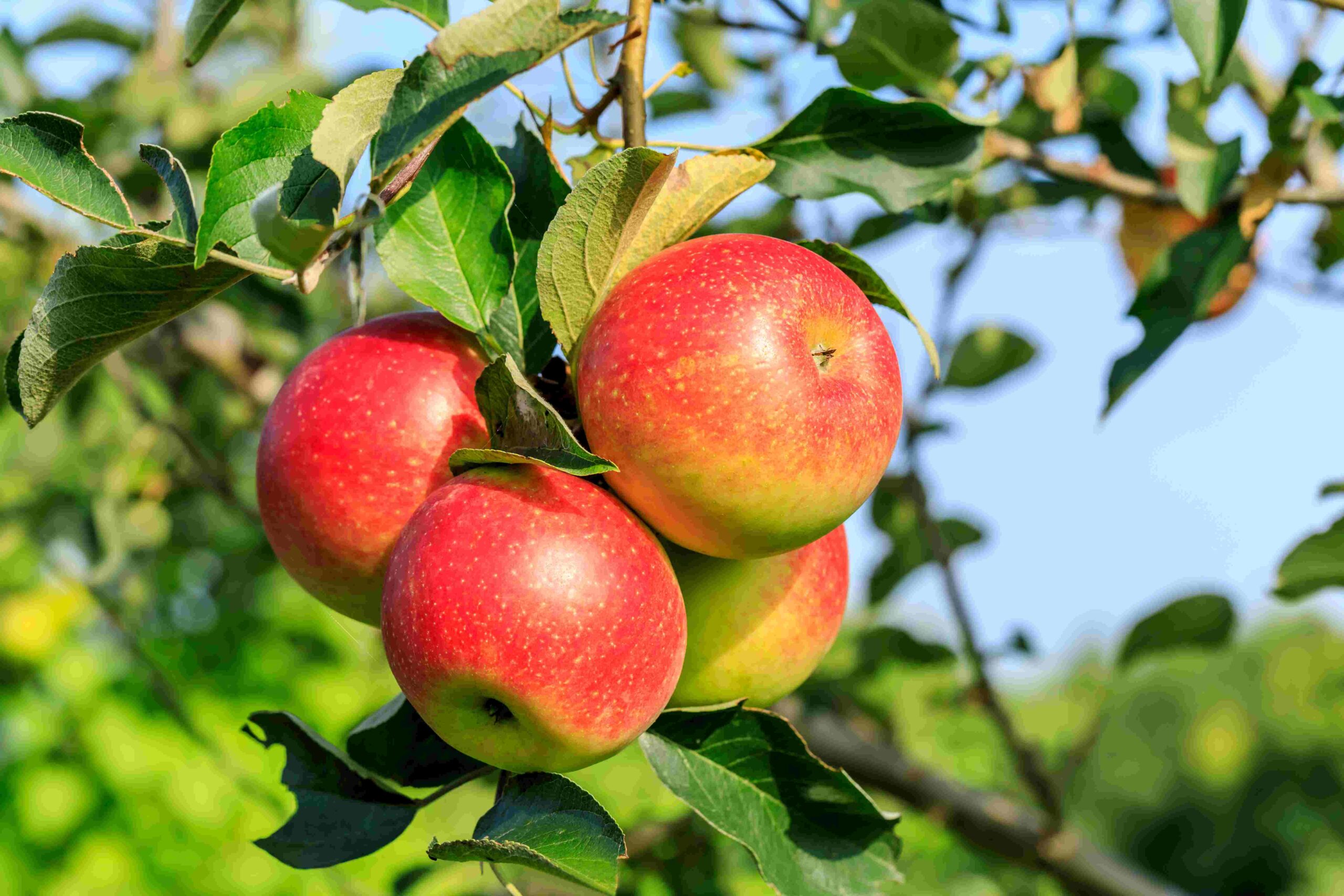
Shales emphasizes that flavor, freshness and the overall consumer eating experience are big drivers behind the success of an apple. She adds that Cosmic Crisp — a variety created by Washington State University as a cross between Honeycrisp and Enterprise — is one recent example of how a variety’s flavor, quality and storage characteristics can help shape consumer demand and support the wider category.
Demand, Efficiency and Grower Profitability
Behind the retail opportunity sits a tougher grower equation. The U.S. apple industry has become more efficient, but higher productivity does not solve the category’s problems on its own. More fruit still needs to move through the system at returns that make sense for growers.
“U.S. growers are producing more apples than ever on less land, thanks to advances in technology, orchard systems, and efficiency,” says Gibbons. “That makes sustained demand even more important. The best way to support apple growers is ultimately to keep apples moving,” she says, by making them “a more frequent, everyday purchase for consumers.”
She describes grower profitability as the industry’s biggest challenge, with labor, fertilizer, fuel and equipment costs continuing to rise while grower returns have not kept pace. In recent years, she says, many growers have been operating at a loss.
Gibbons says USApple is seeking short-term federal assistance to help keep orchards viable, while pushing for longer-term support through stable labor policy, open export markets and stronger Farm Bill investment in research and specialty crop programs.
A More Curated Apple Aisle
The apple aisle has become more crowded, and that is forcing a harder question for growers and retailers: how much choice does the shopper really need? New varieties can bring energy to the category, but they also add complexity to a display that many consumers already find difficult to navigate.
“One medium-term factor shaping the category is assortment complexity,” says Gibbons of USApple. “With so many SKUs and new varieties entering the market, the industry is still testing how much choice consumers truly want.”
That does not mean shoppers are uninterested in discovery. Gibbons says there is “clear excitement around trying new apples,” especially when retailers explain differences in flavor, texture and use. But shelf space is limited, and retailers are becoming more selective. Some, she says, have moved toward “a more disciplined mix, where the strongest-performing varieties earn lasting shelf space and others are rationalized.”
Castillo of Superfresh Growers sees the same pressure from a farm-level and retail perspective. “As production and growing costs remain elevated, there will be a strong focus on varieties that consistently perform at retail as consumer favorites,” she says.
For Shales, the category is moving toward a more curated, quality-driven structure, with more emphasis on apples that deliver value for specific shopper needs. “Shoppers are seeking the fruit size, package size or type, and flavor or eating attributes in their preferred apple varieties, while focusing on price during inflationary times,” she says.
Packaging, Storytelling and the Point of Sale
As the apple set becomes more disciplined, the way the category is presented becomes more important. Packaging, variety information and supplier storytelling increasingly shape how shoppers understand value, especially in a category where price, flavor and convenience are all part of the purchase decision.
“The shift from bulk to bagged offerings has become more pronounced,” says Castillo, citing value perception, convenience and merchandising efficiency as key drivers. “Together, these three shifts are leading to a more curated category, one that leans into a tighter mix of proven varieties, supported by packaging that better aligns with how consumers shop today.”
That shift does not mean bulk is disappearing. Stemilt’s data shows how close the format balance has become: packaged apples currently make up 49% of apple volume, while bulk accounts for 50%. “Carrying packaged apples also offers a powerful opportunity to tell your brand’s story and set your product apart in a crowded category,” says Shales.
The same principle applies beyond packaging. Shales sees opportunity in promotions that highlight “the journey from farm to truck to store,” helping consumers connect the fruit to the people and practices behind it. She also points to the need for “accurate and accessible variety profiles,” which can help shoppers move beyond default choices and discover apples that better fit their preferences.
Digital grocery adds another layer. Shales says the industry “can’t ignore the omnichannel shopper,” since apples now need to win at the digital point of sale as well as in the produce department. “Without the physical display in a store, retailers and suppliers must work together to keep apples visible and attractive online to ensure shoppers add them to their cart,” she adds.
Cross-merchandising could also help make the category feel more dynamic, Shales says, whether through seasonal pairings, snack ideas or retail education that helps shoppers see apples as more than a default lunchbox item.
Taken together, the category appears to be moving toward a tighter, more intentional model: fewer varieties that have to work harder, supported by packaging and storytelling that give shoppers a clearer reason to choose apples more often.