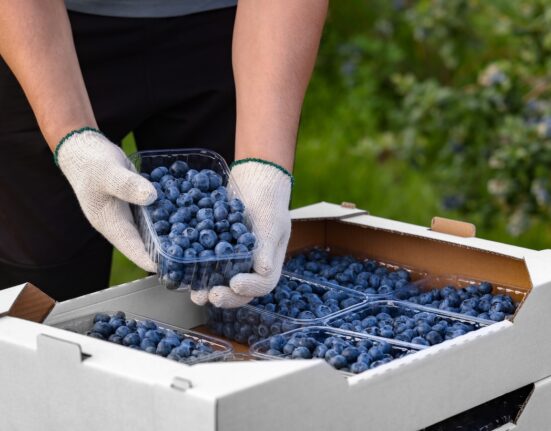
In rural Georgia, several small-scale growers supply weekly boxes of produce to patients with diabetes and hypertension through partnerships with a non-profit and healthcare system. These growers are not alone. Across the country, growers and producers are beginning to engage directly with healthcare in a movement that centers on food and nutrition. Known as “Food is Medicine,” this movement is generating viable pathways for producers to access new markets and improve health and well-being in the process.
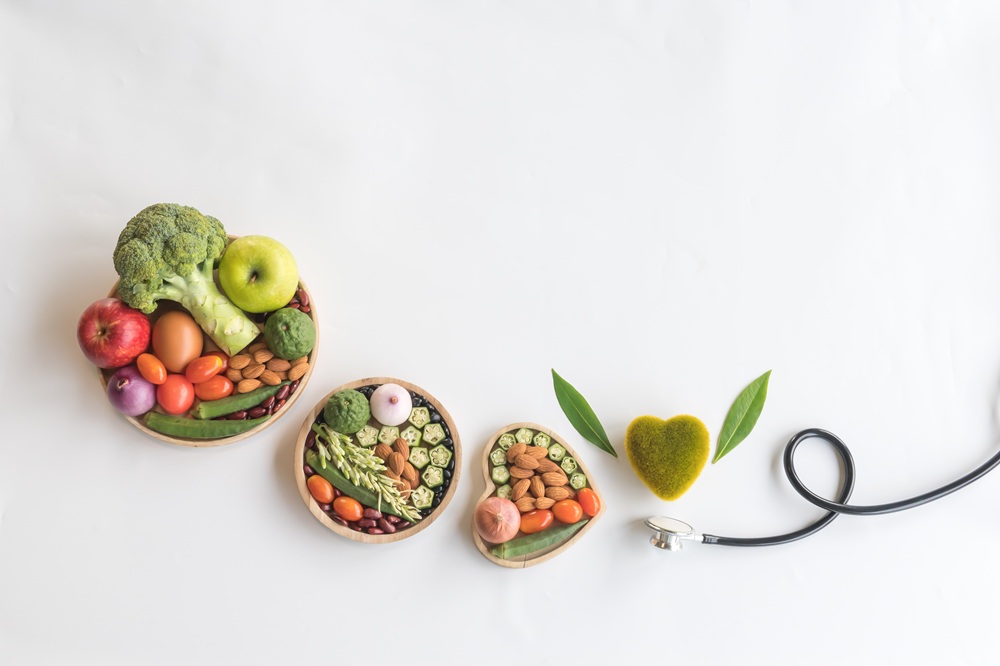
Food shapes our daily rhythms, cultural identity, and sense of community. It also powerfully influences our health and well-being. For millennia, people have recognized food as a form of medicine. This long-standing wisdom is now experiencing a resurgence in the United States. Across the nation, healthcare systems are integrating Food is Medicine interventions to prevent and manage chronic diseases by providing access to healthy foods, including fresh produce.
The implications of these new alignments between agriculture and health systems are wide-ranging. Poor diet quality is a leading driver of the nation’s top causes of illness. In 2019, only 1 in 10 adults surveyed consumed the recommended daily servings of fruits and vegetables. While most diets are low in nutrient-dense produce, they are disproportionately high in ultra-processed foods.
Paradoxically, many of the country’s most agriculturally productive regions are home to some of the highest rates of food insecurity — characterized by limited or uncertain access to enough food for an active, healthy life. In many communities, ultra-processed foods are more readily available and accessible than fresh produce. These factors contribute to our nation’s high prevalence of diet-sensitive chronic diseases such as type 2 diabetes, hypertension, and heart disease.
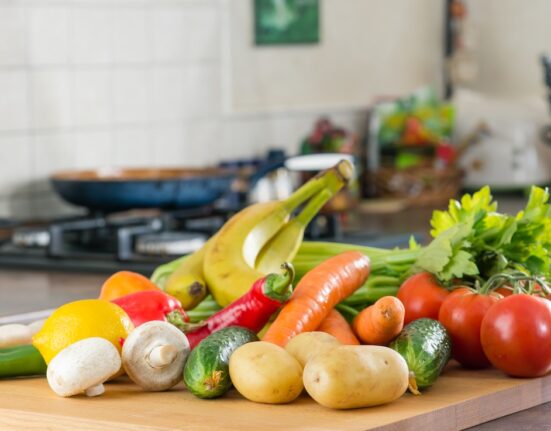
The Food is Medicine movement digs to the root causes of health and centers on nutrition. The implementation of Food is Medicine interventions can be tailored to specific community resources and needs. These interventions typically begin in a healthcare setting with screening for diet-sensitive conditions or food insecurity. Food is Medicine interventions vary, but all offer opportunities for the produce industry. Through produce prescriptions, healthcare providers prescribe fresh fruits and vegetables, which may be provided through home delivery, electronic debit cards, or paper vouchers that are redeemable at grocery stores or farmers’ markets.
Medically-tailored groceries often include a range of healthy food items that are preselected and can be provided to eligible patients through home-delivery, electronic debit card, or direct pick-up at healthcare facilities, grocery stores, or food banks. Finally, medically-tailored meals are home-delivered and designed by registered dietitian nutritionists to meet the specific needs of patients with complex chronic conditions.
The market potential of Food is Medicine is substantial. Through Medicaid waivers and pilots, some Medicare Advantage plans and select private insurers’ health systems are able to receive reimbursements for delivering Food is Medicine interventions. Pilot programs have also been supported by the Department of Agriculture, Department of Veterans Affairs, Indian Health Service, and private and philanthropic funding.
For producers, the Food is Medicine movement provides access to new markets for fruits and vegetables. Local procurement priorities in some state-level Medicaid waivers, including California, Massachusetts, and New York, seek to establish markets that benefit community health alongside regional economies. In many areas, Produce Prescriptions have also been used to boost farmers market participation. By leveraging farmers’ markets, these prescriptions help connect growers directly with consumers in their communities.
Producers at different levels of scale can all contribute to the Food is Medicine movement. There are opportunities to collaborate directly with health systems or nonprofit organizations to supply produce for pilot interventions, to engage with state Medicaid food sourcing initiatives, and to supply for participating food retailers. While coordinating partnerships and navigating reimbursement models may seem challenging, successful examples from across the U.S. can offer proven strategies for producers hoping to get involved.
By bridging agriculture and healthcare, Food is Medicine creates unique opportunities for producers to transform our food system and foster stronger connections with the communities they serve. Given the current burden of diet-related diseases, it is time we recognize food — and the people who produce it — as essential partners in cultivating a healthier future.