
The fresh produce industry has always had its stars.
Kale conquered the superfood spotlight in the 2010s. Avocados became Instagram icons and drove toast trends nationwide. Blueberries rode the antioxidant wave to mainstream dominance. Mushrooms emerged as the umami answer for home cooks.
Now, in 2026, it’s cabbage’s turn under the cultural microscope, and the implications extend far beyond a single vegetable’s viral moment.
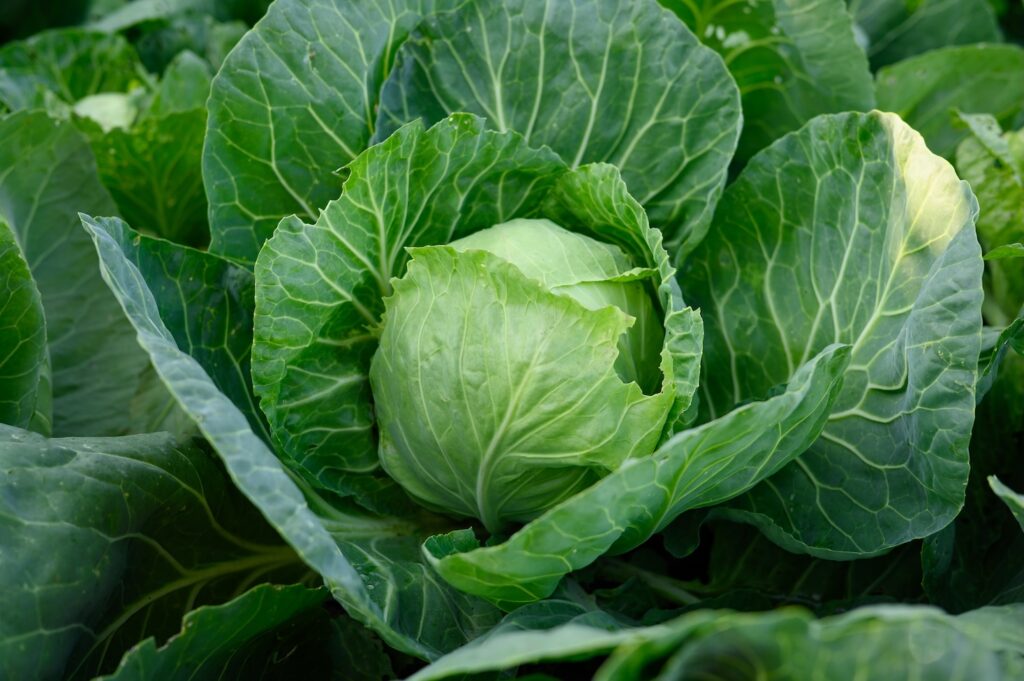
Welcome to the era of cabbage-core, where a humble cruciferous vegetable has captured the zeitgeist. But this isn’t just another fleeting food fad. It’s a window into how dramatically consumer expectations have evolved, and what that means for an industry navigating TikTok trends and economic uncertainty.
“The motto for 2026 is live, laugh, leaf,” according to Pinterest’s annual trend forecast. Platform data shows searches up 110% for cabbage dumplings, 45% for cabbage Alfredo and 35% for sautéed bok choy. With around 600 million monthly users and an 88% accuracy rate for trend predictions over the past six years, Pinterest functions as an algorithmic crystal ball for consumer behavior.
That accessibility resonates with broader consumer trends. “Consumers are getting smarter and smarter about their food choices and considerably more curious about where their food comes from,” said Mary Heslep, senior vice president of strategy and business development of Ten Acre Marketing. “I believe this is contributing to the growing trends in agritourism but also know that it is impacting the conversations and decisions they’re having in the grocery aisles and at checkout.”
The Grocery Flex
Designer fruits and vegetables such as Cotton Candy grapes, Badger Flame beets and Tropical Bliss strawberries have become increasingly popular, says Eve Turow-Paul, a globally recognized expert on Millennial and Gen Z food culture whose former clients include Unilever, Nestlé, Campbell’s, Food Network, Whole Foods Market, Danone and Marriott. “We can’t ignore the role of social media in driving interest for colorful produce and novel experiences,” she says.
Turow-Paul is the founder of BITE: Building Impact Through Eaters, a nonprofit for climate-smart food choices. She was featured in the late Anthony Bourdain’s documentary, “WASTED! The Story of Food Waste,” and her latest book is “Hungry: Avocado Toast, Instagram Influencers and Our Search for Connection and Meaning.”
In the 2020s, many young adults can’t afford luxury vacations and fine dining, so they indulge in unique food products at retail, a phenomenon sometimes called “grocery flexing.”
“I think producers can take advantage of this with artisan, seasonal and limited-run produce and visually striking packaging,” says Turow-Paul.
This curiosity is pushing produce brands to rethink engagement. “In-store and on-package are becoming the price of poker,” says Heslep. “Brands that engage consumers in ways that integrate into their daily lives will win share-of-basket.”
From Baseline to Benefit-Driven
Consumer expectations have fundamentally shifted. Health is no longer a differentiator; it’s a baseline assumption, says Gina Jones, vice president of global insights at International Fresh Produce Association (IFPA). The IFPA Consumer Trends Tracker shows that more than 75% of consumers say promoting individual and public health is “extremely or very important” when evaluating produce companies.
This shift demands new messaging. Instead of nutrition claims, smart brands connect produce to how consumers want to feel. “Consumers won’t just be asking ‘Is this healthy?’ They’ll also be asking, ‘Is this worth my time, money and attention?’” says Emily Holdorf, a registered dietitian, influencer and community manager at The Foundation for Fresh Produce.
“Value-added fruits and vegetables like pre-cut, washed, ready-to-eat or meal-ready are becoming less of a premium and more of a baseline expectation. What used to feel like a shortcut now feels like a smart choice.” At the same time, health expectations are getting more nuanced.
“Consumers still care deeply about freshness and quality, but they also want transparency and purpose: where food comes from, how it was grown, how long it will last and how it fits into their personal health goals,” says Holdorf.
The industry can capitalize on emerging trends such as fiber-maxxing by positioning fruits and vegetables as tools for everyday wellness rather than ingredients requiring expertise.
“Big produce brands can ride 2026 to 2027 trends by framing high-fiber, colorful fruits and veggies as wellness luxury status symbols for people who invest in longevity, gut health and energy — not just abs,” says Tony Castillo, a registered dietitian and contributor to Healthy Family Project, a cause-marketing organization that uses produce-brand partnerships, dietitian-approved recipes, digital content and more than $8 million in food-bank donations to support families.
“Messaging should spotlight fiber-maxxing, fermented options and microbiome support in plain language,” notes Castillo, “using habit-based narratives like busy professionals, GLP-1 users and parents instead of diet hype, and backing every claim with credible, science-linked education.”
The Food as Medicine Movement
The movement to see and use food as medicine has been floating around wellness circles for some time, but it’s finally entering mainstream consciousness, creating opportunities for produce companies.
“Mainstream consumers are now truly starting to explore the concept and are more open to buying and trying new items based on recommendations for ailments,” says Amanda Keefer, vice president of Healthy Family Project. “To me, Food as Medicine reinforces the idea that everyday food choices support long-term health, energy and quality of life.”
The industry is uniquely positioned to lead this movement because of its shining contrast to the latest villain among health-minded consumers: ultra-processed foods.
“Unlike many center-store categories, fruits and vegetables are largely free from the stigma of ultra-processing or added sugars, making them a natural, credible foundation for health-forward messaging at retail,” says Keefer.
If a grocer has registered dietitians on staff, these professionals can be used more actively in the produce department through shelf tags and signage using simple, benefit-driven language.
Protein will continue to dominate wellness conversations into 2027, she says. “The produce department can lean into this by merchandising fruits and vegetables alongside plant-based protein sources like beans, lentils, nuts and seeds, creating easy visual cues and bundled solutions that help shoppers double up on fiber and protein in one trip,” says Keefer.
After all, wellness is the new luxury. This repositioning of wellness from obligation to aspiration is a cultural shift that the produce industry isn’t capitalizing on enough.
Experience Over Ingredient
The most important shift is moving from ingredient-centric to experience-centric positioning. This means communicating around eating occasions and lifestyle aspirations rather than nutritional content.
“Instead of selling cabbage, sell weeknight-ready slaws. Instead of mangoes, sell no-prep tropical escapes. Instead of mushrooms, sell savory flavor and depth,” advises Holdorf.
This approach acknowledges that not every consumer wants to cook from scratch. It also recognizes that younger consumers aren’t shopping for specific nutrients but for outcomes like increased energy and better digestion.
And a fruit or vegetable that seems exotic, exclusive or elegant can feel like quite a treat.
“I personally will pay more for a clamshell of Driscoll’s Sweetest Batch for myself and hide it in my fridge from my family as an indulgence,” says Heslep of Ten Acre Marketing.
The Growth Gap Challenge
While these consumer trends create opportunity, traditional produce strategies are falling short. Despite growing consumer interest in healthier eating, the fresh produce industry’s dollar sales are projected to grow at just 2% through 2026, according to the Future of Fresh Produce report by Circana, a market data agency.
And “volume growth remains modest,” notes Jonna Parker, vice president of Fresh Foods for Circana. “While our forecast predicts produce pounds and sales growth, the slow erosion of the rate over the next three years seems like missed potential to me, pointing to what will happen if fresh fruits and vegetables continue on their current trajectory of focusing on just providing ample supply but missing opportunities to more deeply understand today’s consumers.”
The industry’s growth challenge isn’t supply; it’s demand. Traditional grocers now account for only 46% of produce sales. When Circana surveyed consumers, only 45% cited traditional grocery stores as their primary produce destination.
“It is not surprising that fresh fruit is expected to continue to outpace department growth, not only in newer-to-consumer fresh tropicals and specialty but also in even the most ubiquitous categories like fresh common fruit,” says Parker. “Imminently snackable and relevant with health and sustainability messaging, imagine what fruits’ sales increases could be with more investment in driving demand among specific, personalized consumer groups who are being inundated with messaging from other snacks and sweets.”
Promotions and recipe inspiration are particularly influential for Gen Z and Millennials, who are more likely to experiment when motivated by social media content or in-store sampling, according to Circana data.
Beverages and yogurt have seen double-digit growth by meeting consumer demand with diverse products tailored to different needs. The produce industry, meanwhile, continues to “stack them high and watch them fly” — a strategy Parker suggests is insufficient in an era of personalized marketing.
Fresh herbs offer a counterexample. “Fresh herbs are a great example of the department accelerating growth, driven by consumers’ demand for fresher, healthier and relevant ingredients touting the taste differences when using fresh,” says Parker.
The Viral Moment Paradox
Every produce company wants the next viral TikTok moment, but the relationship between social trends and long-term brand equity requires discipline.
“Virality is very tempting, but it doesn’t create longevity,” says Heslep of Ten Acre Marketing. “Only jump on the trend when it’s highly relevant to your brand,” she says, and “let the other less relevant trends pass you by. If the trend is relevant, find a way to brand it or make it custom to your brand experience, curating the moment and owning its momentum to build your own brand equity.”
Holdorf echoes this caution. “The irony is that it’s a long game. Those rare, breakout viral moments for a product are sporadic, so brands can’t really plan for them or create them; they have to happen organically,” she says, pointing to examples such as the cucumber guy on TikTok and the feta pasta phenomenon.
“My best advice is when possible, where it makes sense for your brand or commodity, incorporate viral trends to show your relevance, but don’t center all of your content around it,” says Holdorf. “Focus more on the long term, evergreen messages.”
The brands that win will be agile enough to support whatever consumers are experimenting with. That requires listening to social conversations and responding when opportunities align with brand positioning.
The Integration Imperative
The most important strategic shift is flipping the traditional marketing script.
Fresh produce brands need to integrate themselves into consumers’ lives. Don’t expect consumers to seek out produce information.
“Follow where consumers are investing in experiences and integrate fruits and vegetables into those moments,” notes Heslep. “Think wellness retreats, resort menus and high-end agritourism. Capture consumers’ attention while they’re making memories.”
As the industry navigates tariffs, climate change and evolving trends, the produce companies that thrive will understand that consumer expectations shift faster than growing seasons and will meet shoppers where they are with messaging that speaks to how they want to live.
Cabbage-core may be 2026’s moment, but the real trend is an industry learning to drive demand as skillfully as it manages supply.