Since its founding in 1967, the Fresno, CA-based California Table Grape Commission has been the backbone of the state’s more than $2 billion grape sector, working to increase global demand and secure the industry’s long-term competitiveness.
From pioneering global marketing campaigns that turned “Grapes from California” into a major and recognizable global produce brand, to driving research in viticulture, pest management, and varietal development, the Commission has consistently positioned California growers at the forefront of innovation.
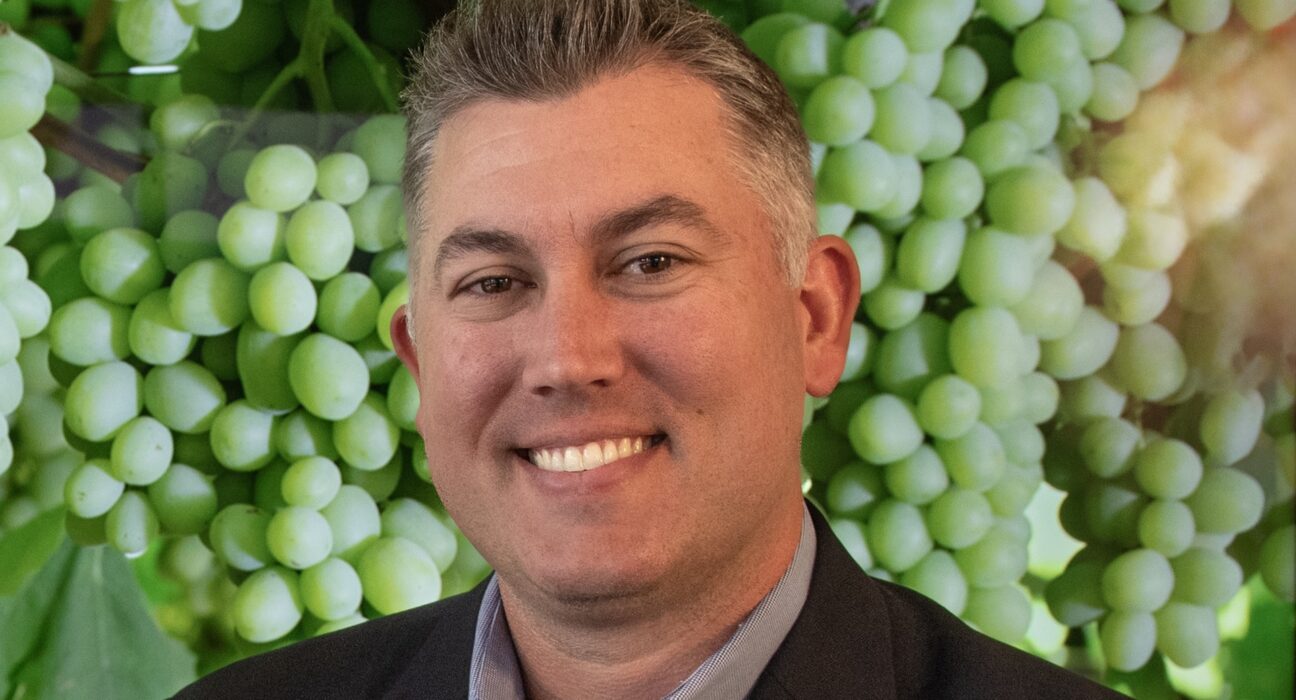
At the helm is Ian LeMay, who took over the presidency after working alongside longtime leader Kathleen Nave. LeMay highlights both continuity and adaptation — honoring the Commission’s legacy while steering it toward new priorities such as digital outreach, mechanization, and global trade advocacy. In this interview, he discusses the organization’s evolving mission, the opportunities and challenges facing California growers, and why he says the industry is uniquely positioned to lead the global grape category in the years ahead.
How would you describe the California Table Grape Commission’s mission today, and how has it evolved over the decades?
The Commission’s mission is, and always has been, to increase worldwide demand for fresh California table grapes. What’s changed over the decades is how we pursue that mission. When the Commission was founded, the focus was on building awareness of California grapes. Today, we use advanced marketing, cutting-edge research, and industry advocacy to strengthen the position of California grapes in a highly competitive global market. The mission is steady, but the tools have evolved.
Could you walk us through some of the Commission’s most significant milestones or initiatives over the years that have helped shape the sector?
There are many, but a few stand out. The Commission’s consistent global marketing presence for more than 50 years has built Grapes from California into one of the world’s most recognized produce brands. On the research side, investments in viticulture and pest management have given growers practical tools to farm more efficiently and sustainably. And on the policy front, the Commission has long been an advocate for fair trade and market access, helping growers remain competitive internationally. These efforts have shaped not just the California industry, but the global grape landscape. An exciting upcoming milestone is the publication of the second volume of Grapes and Health, a summary of the current research on grapes in health-focused areas. The body of research on grapes and health over the past 25 years has recently led many to now recognize grapes as a superfood.
You took over as president of the Commission fairly recently. How has the leadership transition unfolded, and what have been your immediate priorities?
I was fortunate to work alongside Kathleen Nave for 16 months before stepping into the role. Kathleen led this organization for 26 years with tremendous vision and skill, and I inherited a Commission that is strong, stable, and respected. My first priority has been to honor that legacy by ensuring continuity, while also listening closely to growers, shippers, and partners about where we go next. I am incredibly excited and humbled to serve as president of the California Table Grape Commission.
Research, marketing, and industry advocacy are central to what you do. How do you decide which areas to prioritize in each of these pillars?
It starts with growers. We listen to the industry, identify the most pressing needs, and then weigh where the Commission can make the greatest impact. For example, if a pest or disease threatens vineyards, research takes priority. If trade barriers emerge, advocacy rises to the top. And if consumption is slowing, marketing efforts intensify. It’s about being responsive while keeping our eye on the long-term mission; and while each season brings its own unique priorities or challenges, the Commission is constantly working to advance in all these areas because of the breadth and expertise of its specialized staff.
What are some of the current research initiatives underway that you think could have the biggest impact on growers and the wider supply chain?
The vineyard is changing. The way our industry views and manages the vineyard continues to adapt in exciting ways. Through research in mechanization and automation, we’re creating efficiencies in both growing and harvesting practices. In pest and disease management, the focus is on sustainability — reducing the use of pesticides while maintaining crop quality. In irrigation, tools like efficient drip systems, weed matting, and plastic coverings allow growers to manage water and the vineyard environment with greater precision than ever before.
And of course, varietal innovation remains central. By working with USDA to develop and adapt new varieties, the industry is committed to delivering the best possible eating experience for consumers — grapes that are flavorful, consistent, and competitive on the global stage.
How is the Commission helping the industry navigate export markets, especially amid global trade uncertainties?
California grapes are shipped to more than 50 countries, so trade access is critical. The Commission works closely with U.S. and international authorities to reduce barriers, streamline inspections, and secure new market opportunities. We also run targeted marketing campaigns in key export regions to ensure demand is strong once grapes arrive. In a volatile global environment, the goal is to keep California grapes reliable and competitive abroad.
How has your promotional strategy adapted to reach shoppers more effectively, both in the U.S. and abroad?
We’ve leaned heavily into digital and social platforms, supporting our retail partners in meeting consumers where they spend their time. In the U.S., we emphasize health, convenience, and the fact that grapes are a superfood. Internationally, we tailor campaigns to local tastes and cultural values. Whether it’s a social media influencer in Asia or retail partnerships in North America, the goal is the same: keep California grapes top of mind in the shopping cart.
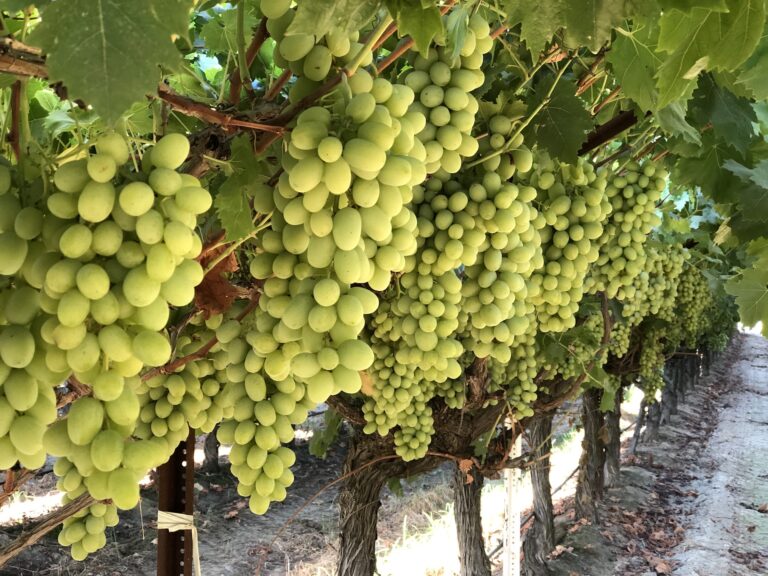
What are the key trends currently shaping the California table grape sector — whether in terms of production, consumer preferences, or the growing role of newer varieties?
On the production side, growers are embracing new varieties that offer unique flavor profiles, improved yields, and longer shelf life. Consumers are increasingly looking for convenience, health benefits, and exciting eating experiences — all areas where California grapes deliver. At the same time, sustainability is no longer optional; it’s expected, and California growers are rising to the challenge.
From the Commission’s perspective, what role do sustainability and regenerative agriculture play in the sector’s future? To what extent are these being adopted across vineyards?
Sustainability isn’t new to California grape growers — it has been part of how we farm for generations. What sets California apart, though, is the rigor. No other place in the world holds growers to higher standards, and California growers don’t just meet those standards — they consistently exceed them. Practices like efficient irrigation, cover cropping, soil health management, and integrated pest management are not exceptions, they’re the norm.
As global expectations for transparency rise, California is uniquely positioned to lead because we’ve already built sustainability into the foundation of how we farm. The Commission’s role is to help tell that story — to demonstrate to consumers and retailers worldwide that when they choose California grapes, they are choosing the most sustainably and responsibly grown grapes in the world.
What would you say are the most pressing challenges facing California table grape growers right now — and where do you see the greatest opportunities?
Like every agricultural sector, we face real challenges — labor costs, water availability, and the rising demand for new grape varieties all put pressure on growers and increase costs. But those same challenges push us to innovate and strengthen our competitive edge.
Through Commission-funded research on mechanization and automation, we’re exploring ways to create greater efficiencies in how grapes are grown and harvested. In irrigation, we’re investing in technologies and practices — from precision irrigation to the use of weed mats and plastic coverings — that help ensure every drop of water counts. And with the ongoing demand for new and exciting grape varieties, the Commission continues to partner with USDA on a breeding program that is delivering unique, competitive varieties for California growers.
So while the pressures are real, they are also opportunities — opportunities to adapt, innovate, and continue leading the global grape industry.
What advice would you give to retailers looking to drive category growth? Are there any best practices you’d recommend for merchandising or promotion?
Keep grapes visible, front and center, and in large displays. Variety and freshness matter, so promote multiple colors together and highlight grapes as a healthy, convenient snack. Cross-promotions with cheese, wine, or back-to-school lunchboxes are also effective. And remember: shoppers trust California grapes. When retailers emphasize that origin, sales benefit.
What is your outlook for the future?
We are in a highly competitive global environment, but I firmly believe California is well-positioned to lead the industry for decades to come. Our growers are innovative, dependable, and guided by enduring values. That combination gives me confidence in the future of California grapes.