Ask any grower or marketer how they differentiate themselves from their competition, and the typical answer comes quickly: quality, freshness, and service. These are not wrong — but neither are they different.
In fresh produce, these words are the entry ticket, not the winning hand. Quality is expected. Freshness is assumed. Service is a baseline promise.
Yet in my work, these are still the most common differentiation claims I see nowadays across the global produce trade. After decades working with companies on every continent, I’ve learned that the real question isn’t, “How are you different?” but “Why does your difference matter and how does it create value for someone else?”
This distinction sits at the heart of what I call Value-Based Differentiation.
From ‘About You’ to ‘About Them’
Traditional differentiation is inward-looking — it focuses on what you do. Value-Based Differentiation turns the focus outward. It’s about how you create a difference that delivers value to someone else — your retail buyer, your foodservice partner, or the end consumer.
When you understand what others value, you stop guessing what to promote and start building relevance that drives sales, share and revenue growth.
Take, for example, category management. By understanding category management basics and the terminology used in the retail environment, you immediately elevate your retail category pitch because you have stepped into the shoes of the buyer and are seeing your product and your category through their eyes. This shift may seem subtle, but it’s transformative.
Understanding Value-Based Differentiation is especially important for fresh produce companies, and here’s why. Unlike packaged foods, you can’t reformulate a broccoli or add protein to a blueberry because a trend report says, “Gen Z consumers want more functional foods.”
You grow living products, not manufactured ones. And while breeding can deliver innovation in the form of better flavor, earlier harvest, or new flesh colors, it can take a decade or more for a new variety to reach the market. Meanwhile, consumers’ needs and motives change much more rapidly than that.
This reality forces you to create differentiation beyond what you grow. If you can’t easily change what you grow, then you must change how you connect what you grow to what consumers value. This is where Value-Based Differentiation begins.
Introducing the Value Equation
In my Value-Based Differentiation workshops, one tool I give companies to help them define their differentiated value is a simple formula I call the Value Equation: Value = Who × Why × How.
It starts by asking companies to clearly define the differentiated value they’ve created — to literally write it down: “Our differentiated value is X.” From there, the next step is to pressure-test that statement by examining three key questions: Who finds this difference valuable? Why or how does it create value for them? And how will that value be communicated or proven?
If a company can’t answer all three, the total value of its differentiation begins to erode — signaling that more thinking needs to be done.
A brilliant idea can fail if the wrong audience sees it, if the benefit isn’t clear, or if the value isn’t communicated where the decision is made — whether that’s the buyer’s desk or the shopper’s eye at the shelf. Let me give you an example.
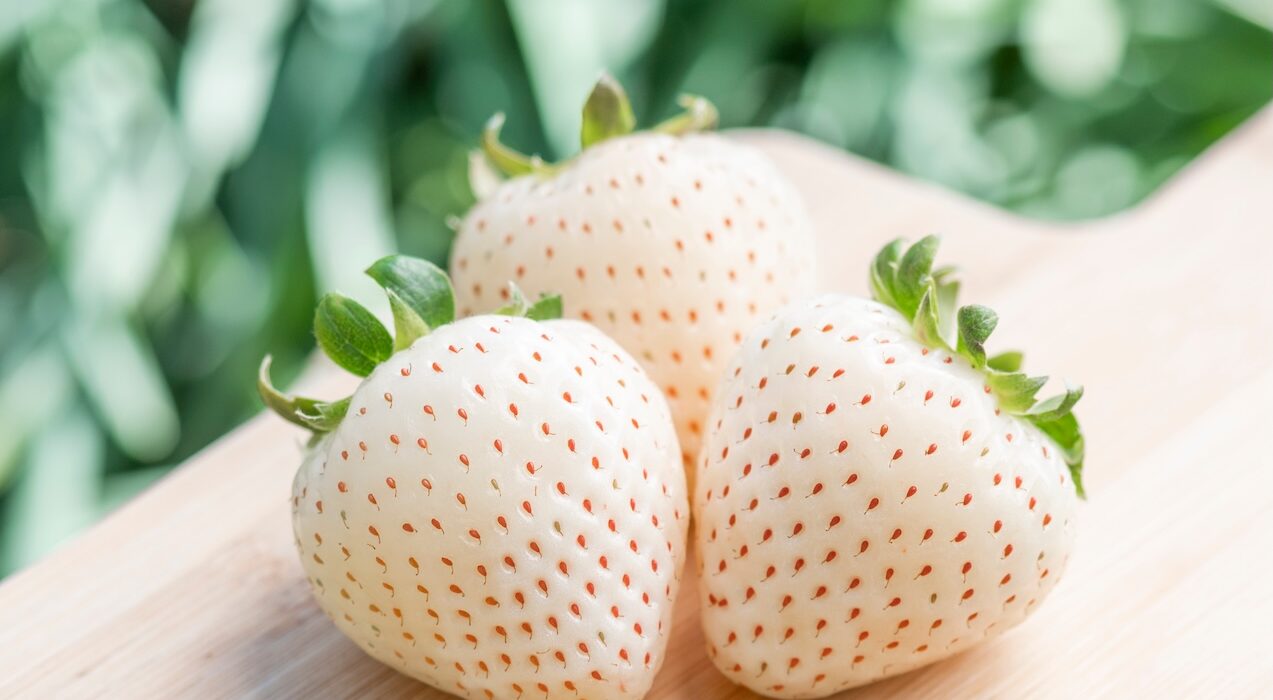
Consider white strawberries’ differentiated value. For the grower, the fruit was a breeding triumph — visually unique and potentially premium-priced. For the retailer, it was an attention-grabbing novelty that could drive range, sales, and create category buzz.
But what about for consumers? Confusion. That’s because for consumers, strawberries are red, and a white strawberry is perceived to be unripe with poor flavor. The white strawberry packaging didn’t explain that the berries were meant to be white, and the packaging didn’t describe the tropical flavor the white fruit was meant to provide.
I can’t help but think this fruit would have achieved greater success had the Value Equation questions been answered – especially around how the white strawberry ‘difference’ was going to be communicated to shoppers.
Successful differentiation in fresh produce starts with understanding the retailer’s KPIs, the shopper’s motivations, and the cultural, food, or wellness trends shaping demand. This understanding fuels relevance and ensures that any product differentiation is expressed in a way that brings value to others.
When understanding is low, companies slip into commodity selling. When it runs deep, it leads directly to Value-Based Differentiation — and with it, increased sales, market share, and revenue.
Remember, differentiation is what makes you different. Value-based differentiation is what makes you different in a way that creates value for others.
Differentiation will always begin with you — your fruit, your practices, your pride in what you grow.
But it only creates commercial value when it becomes valuable to someone else. In an industry where every apple, grape, and tomato can look the same, the businesses that win are those that move beyond being different to being valuable to others.
- Lisa Cork is the chief executive of Fresh Produce Marketing Ltd and adjunct Professor of Produce Marketing at Cal Poly State University in California.