
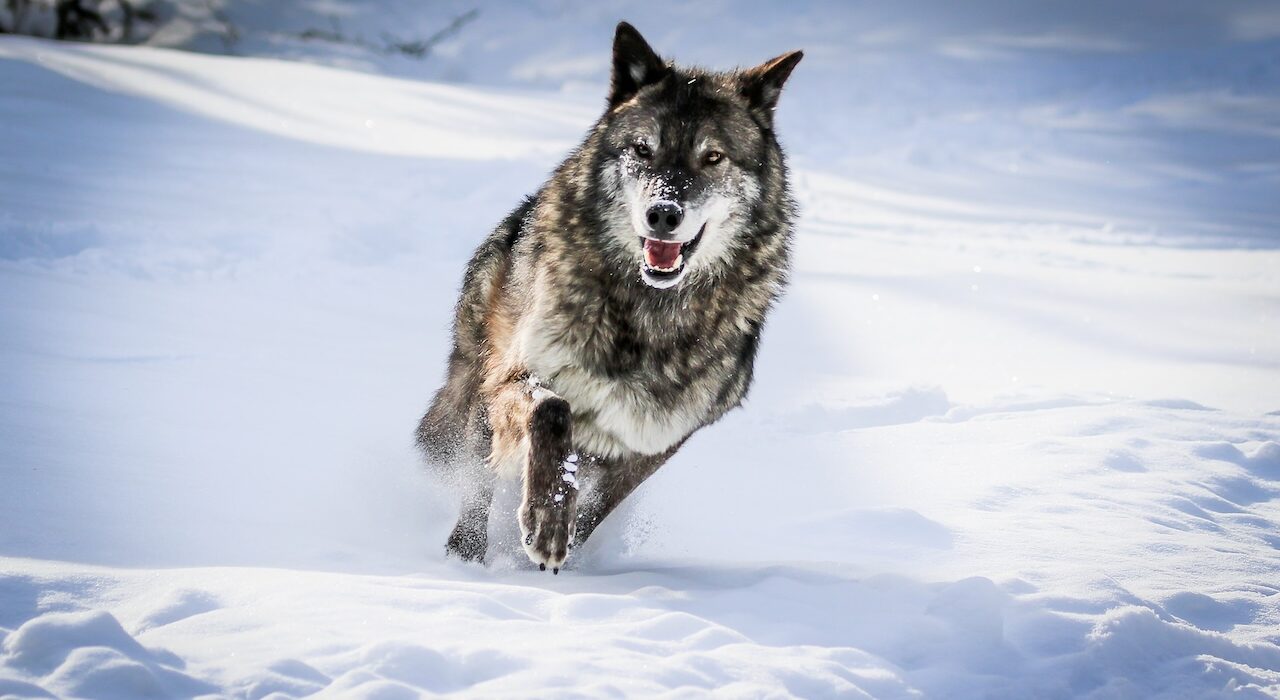
The lone wolf has always fascinated us. It appears in myths and stories as a figure of resilience, independence, and raw power. From ancient fables to modern films, the lone wolf is cast as the rebel who defies the odds, surviving without a pack and carving its own path. In some cultures, it symbolizes freedom — the spirit that refuses to be bound by the rules of the group. In others, it is admired as the embodiment of courage: the one who stands alone when others retreat.
Even in business, this archetype retains its allure, equating the lone wolf with a strong, self-reliant leader who doesn’t need anyone else to succeed. Think of Steve Jobs, whose “founder mode” meant deeply embodying his vision and driving every detail, even when he had the resources to delegate; his relentless solo drive became part of his legend and part of his strength. The phrase “lone-ranger CEO” appears in many leadership discussions and articles — referring to executives who avoid group decision-making, prefer to finalize strategy solo, and often carry the weight of strategy without team input.
It is no wonder, then, that many leaders slip into that archetype without even noticing. They work harder, carry more, and view self-reliance as proof of strength. They pride themselves on self-reliance, on not “bothering” others, on proving they can handle it. And at first, it looks admirable: a leader with resolve, taking on the challenge with apparent fearlessness.
But in reality, leadership is not a solo pursuit. Unlike the stories that glorify the solitary hero, organizations are built to move as groups, not as individuals. A wolf may survive on its own, but it thrives in a pack. And so do leaders.
The Roots of Lone-Wolf Leadership
We have all seen them at some point in our careers. The team leader who seems to work for themselves rather than for the group. The executive who insists on preparing big presentations in isolation, revealing the content only when it is too late for others to contribute. The manager who treats their team as executors of decisions already made, rather than as partners in shaping them. Or the leader whose self-confidence overshadows everyone else, making decisions based solely on their own judgment and resolve. At first, it may look like discipline, dedication, or efficiency. But over time, it becomes clear that what the leader carries alone is not only the task, but also the weight of detachment.
This lone-wolf tendency can stem from many places. Some leaders approach their role as a personal performance test, where success is measured by how much they can shoulder on their own. Others fear that asking for help might be seen as weakness, forgetting that confidence and vulnerability go hand in hand. For some, mistrust takes over — an assumption that the team will not fully grasp the complexity of the challenge, or a worry that involving others will slow things down. And in some organizations, the culture itself reinforces the pattern by rewarding individual heroics over collective achievement, quietly nudging leaders into isolation.
The impact of these behaviors is profound. A strategy prepared alone may look neat on paper but can feel foreign to the very team meant to deliver it. Decisions made without partnership may appear bold but miss the wisdom that comes from multiple perspectives. And when team members are consistently sidelined, they begin to disengage — offering less input, taking less ownership, and leaving the leader with the double burden of both thinking and doing.
This is why the lone wolf, however celebrated in stories, becomes a dangerous model in practice. What appears to be strength is, in reality, a fragile way of leading — one that leaves leaders exposed, teams underused, and organizations weaker than they should be.
From Lone Wolf to Pack Leader
If the lone wolf is a myth to admire, the pack is the reality to build. Wolves thrive because they move together: they hunt in coordination, protect one another, and adapt as a unit to challenges that no single animal could face alone. Leadership is no different. The most resilient organizations are not those with a solitary hero at the top, but those where leaders know how to draw out the strength of the group and multiply it.
This shift requires a redefinition of strength. In nature, wolf packs follow fascinating dynamics to adapt, protect, and thrive together — many of which can be applied in business leadership contexts:
Rotating Strengths – In a wolf pack, leadership is not static; different wolves lead at different moments depending on terrain and need. In business, leaders should do the same: empower team members to lead specific initiatives or strategic conversations, then step back and allow others to step forward.
Sensing and Signaling – Wolves survive by being hyper-attuned to signals, constantly listening, observing, and responding together. In business, leaders can build this through “collective sensing”: regular check-ins where the team maps what they see in the market, what tensions they feel internally, and what early signs of change may be emerging.
Distributed Protection – In a pack, some wolves flank, some protect, and some hunt, with each role vital to survival. In business, leaders can mirror this by defining strategic roles within the team, ensuring responsibility is shared rather than centralized — so every member knows their contribution to protecting and advancing the whole.
Shared Resilience – Wolves don’t just hunt together; they also pause to regroup, reassess, and prepare for what comes next. In business, leaders can normalize these cycles of reflection — creating space after intense pushes to analyze outcomes, surface lessons, and identify opportunities for improvement. This embeds resilience not only in individuals, but in the team’s collective rhythm of learning and adaptation.
Adaptive Leadership – A lone wolf has only one strategy: survive. A pack adapts — splitting, regrouping, and changing tactics as conditions demand. In business, leaders should design teams that can reconfigure quickly around shifting priorities, instead of remaining locked in rigid structures.
When leaders shed the lone-wolf mindset and embrace the pack, something remarkable happens. The weight of leadership feels lighter because it is shared. The quality of decisions improves because they are sharpened by multiple perspectives. And the organization becomes stronger because commitment runs deeper than compliance. Leadership, at its best, is not about proving survival in isolation. It is about ensuring that the pack moves forward together — more united, more capable, and more enduring than any individual could ever be.
The question for leaders is simple: lone wolf or pack leader?
- Ximena Jimenez is a strategy consultant and founder of LITup, helping leaders across the Americas navigate complexity and lead transformation.