
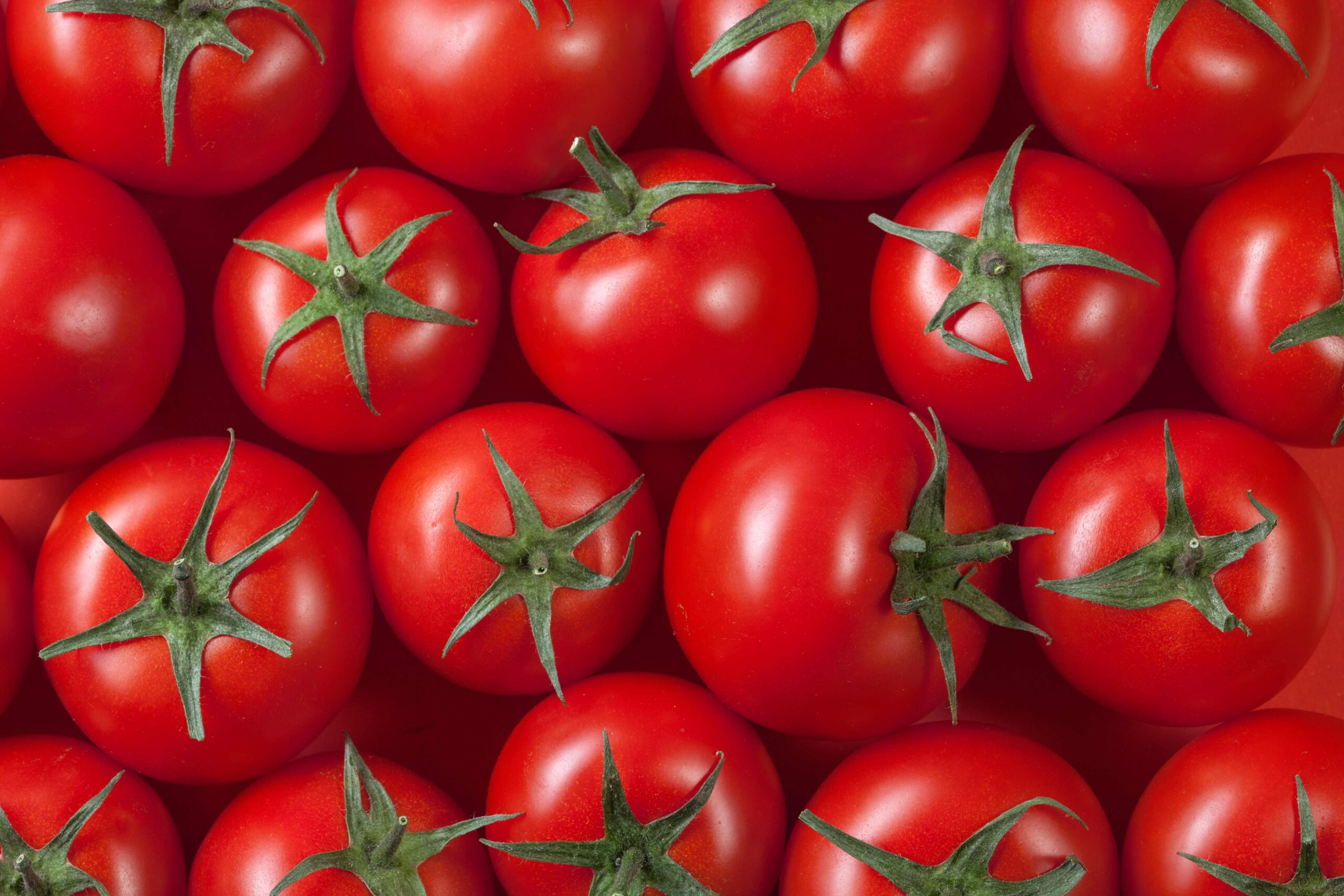
Tomatoes remain one of the produce department’s most familiar staples, but suppliers say the category is becoming less dependent on sheer volume and more reliant on flavor, format and consistency.
Shoppers are still buying tomatoes for everyday meals, yet the range of products competing for their attention has expanded. Grape, cherry, vine-ripened and other specialty varieties are giving consumers more reasons to make choices based on use rather than price alone.
“Consumers are no longer choosing tomatoes based solely on appearance or price,” says Tobianne Paul, acting president and chief marketing officer of San Antonio-based NatureSweet. “They expect a consistently great eating experience.”
Those changing dynamics are encouraging suppliers and retailers to treat the category less like a uniform commodity. Individual varieties increasingly serve different roles, from lunchbox snacks and salads to cooking and entertaining. The shift is also creating more room for products that offer higher margins without requiring a major increase in overall tonnage.
Clarisa Batiz, senior vegetable category manager at Nogales, Arizona-based Divine Flavor — the marketing arm of Mexico-based Grupo Alta — says: “The highest growth won’t come from selling more pounds of tomatoes, but from selling higher-value tomatoes.”
Specialty tomatoes can justify a premium only when the eating quality is dependable.
“Flavor has become a key purchase driver, along with freshness, convenience, and confidence in how and where products are grown,” says Paul.
She adds that shoppers increasingly seek particular varieties for different occasions, creating an opening for retailers to organize assortments around how tomatoes are used rather than relying only on broad size or type distinctions.
Paul also sees a growing role for provenance and transparency. As consumers pay closer attention to where food comes from and how it is produced, she says the category is beginning to behave more like other branded grocery segments, with shoppers looking for a recognizable promise on flavor, quality and consistency rather than treating every tomato as interchangeable.
For Immokalee, Florida-based Lipman Family Farms, greater interest in individual varieties represents a chance to help consumers better understand the category.
“Shoppers treat tomatoes as a choice rather than just another commodity,” says CEO Elyse Lipman.
Convenience is another driver. Snack-sized tomatoes and grab-and-go packaging have helped extend the category beyond traditional meals, while aligning with broader interest in fresh foods that require little or no preparation.
Batiz says demand is increasingly centered on “high flavor and premium quality,” alongside zero-prep formats. She also points to greater health awareness as a factor supporting the category, although the commercial opportunity still depends on delivering products that shoppers enjoy eating.
However, while health messaging can reinforce the appeal of tomatoes, she says the category’s broader strength is its versatility. Tomatoes can fit a wide range of meals while remaining relatively accessible to shoppers.
Lipman sees that accessibility as an important counterweight to the industry’s focus on trading shoppers up. “It’s one thing to grow a great tomato, but we’re also focused on making fresh food accessible and affordable to the families who need it,” she says.
That balance between premiumization and affordability could shape how retailers build their assortments. Higher-value varieties can add interest and margin, but core products still need to remain dependable and competitively priced.
Supply consistency is therefore becoming as important as product differentiation. Greenhouse production gives growers more control over weather exposure, quality and timing, while field production continues to provide scale and a cost structure suited to high-volume demand.
“The future isn’t one or the other,” says Lipman. “We optimize both, and we apply each where the market, the seasons and the technology make sense.”
For Lipman Family Farms, maintaining supply across those formats depends on having access to several production channels. The company grows and distributes from its own farms and greenhouses, while also working with a network of trusted growing partners. Lipman says that mix provides more options when weather interrupts one region or when a particular growing system cannot meet demand on its own.
NatureSweet places greater emphasis on greenhouse production, particularly for year-round availability and predictable quality. Paul says greenhouse production can support year-round availability, reliable quality, food safety and greater supply chain consistency.
Batiz also expects advanced indoor production to play a larger role, especially for products sold on a promise of steady supply. For buyers, however, the value of that model will depend on whether suppliers can maintain quality while controlling costs.
Those supply ambitions are unfolding against a more difficult trade backdrop. Since July 2025, fresh tomatoes from Mexico have been subject to a U.S. antidumping order following the termination of the 2019 suspension agreement. The standard rate for exporters without a company-specific rate is 17.09%.
Against that backdrop, Batiz describes Mexican production as the backbone of North American tomato supply, but says the duty is squeezing margins and influencing planting decisions. “The uncertainty is forcing a definitive shift away from short-term transactional buying toward highly adaptable, long-term strategic alliances,” she says.
That view underlines the importance of dependable sourcing relationships. Retailers looking to expand premium and specialty offerings need dependable supply programs behind them, particularly when weather, trade policy or transportation conditions become less predictable.
The task for retailers may therefore be less about making the tomato section larger than helping shoppers understand the choices already in front of them. As Lipman puts it, “Retailers who can facilitate that discovery and stock products accordingly will capture the shoppers who are paying more attention to what they buy.”