
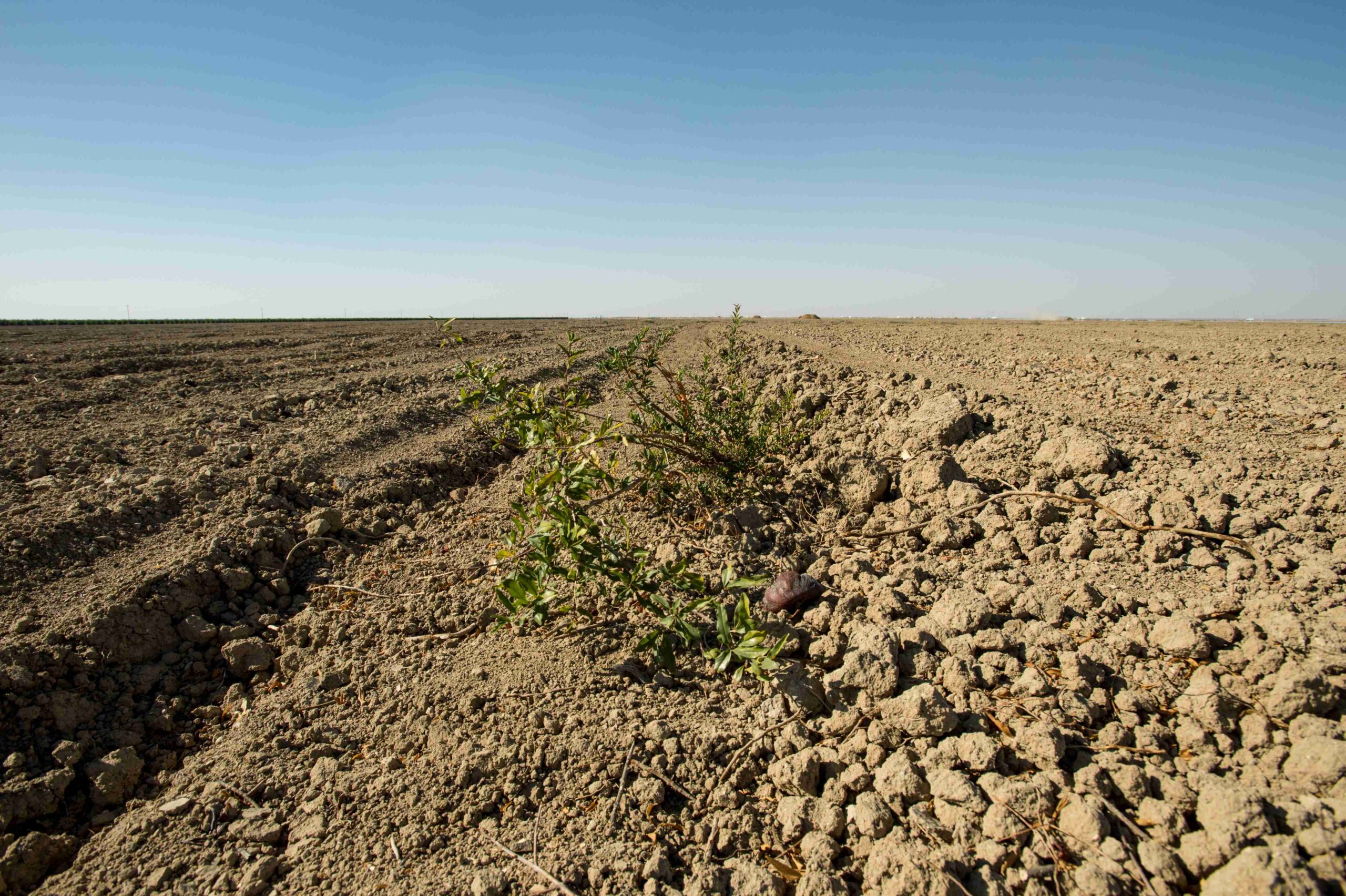
As water supplies become less reliable, California growers are being forced to rethink how they manage the fields, orchards and vineyards that produce many of the country’s highest-value crops. Reduced snowpack runoff, tighter groundwater rules and lower allocations are forcing decisions about which crops still make sense, which acres can remain in production and how farms can survive with less dependable water.
“There’s no question it’s difficult to find any water available that hasn’t already been spoken for in California,” says Central Valley grower Don Cameron, vice president and general manager of Terranova Ranch Inc., in Helm, California. “They’re looking at idling ground in the future, essentially losing a lot of our farm economy throughout the state.”
If large areas are idled, the impact would reach beyond individual farms, affecting employment and tax bases in agricultural communities. Growers are responding by reducing water demand, recharging groundwater in wet years and reconsidering which crops justify scarce supplies. In some cases, the decision may not be how to farm differently, but whether particular acres can be farmed at all.
At the same time, growers and water districts are not standing still, with many investing in groundwater recharge, precision irrigation and new ways to use wet-year flows more effectively.
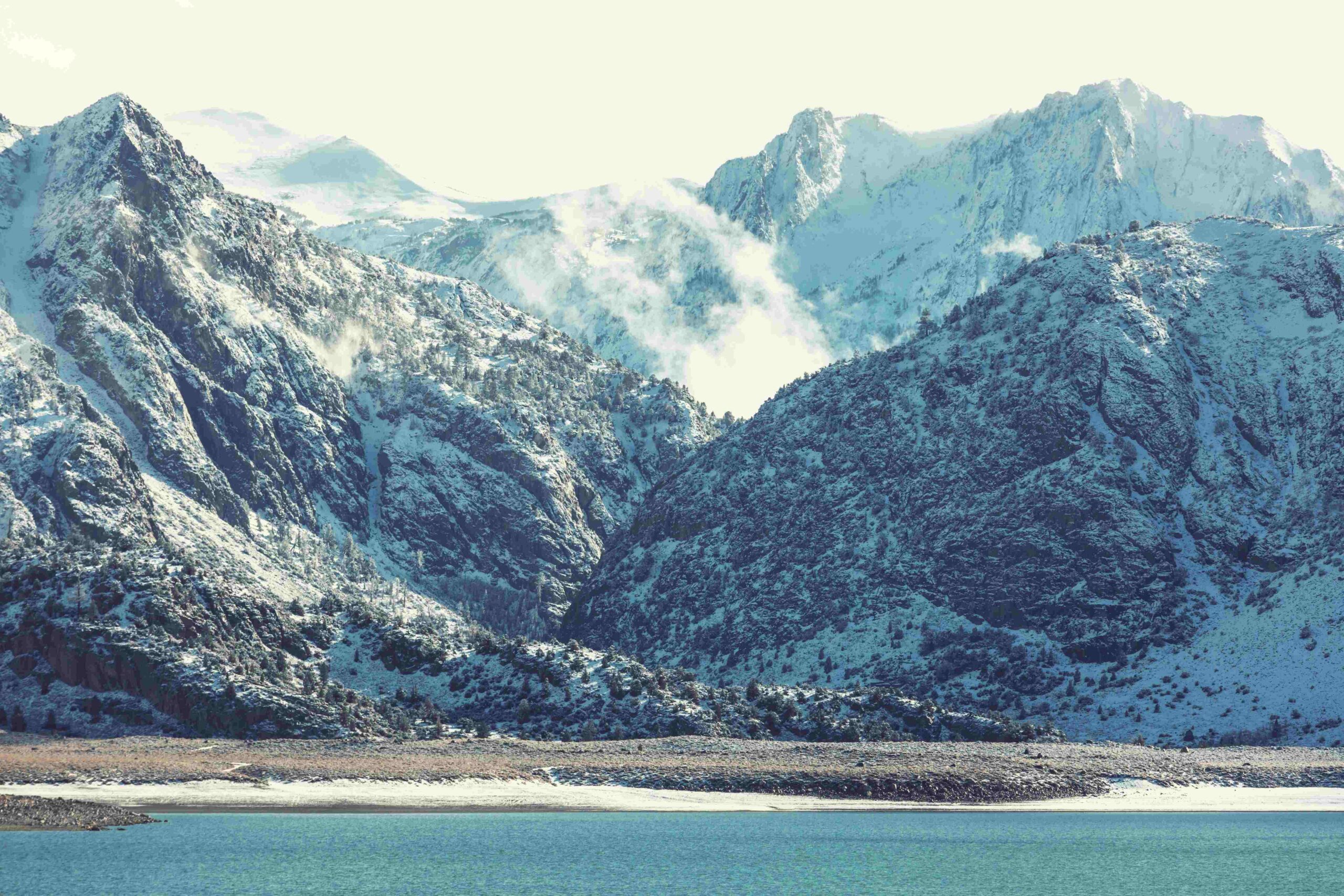
California was classified as drought-free by the U.S. Drought Monitor earlier in the year, but a record-hot, dry March rapidly depleted the Sierra Nevada snowpack, which supplies about 30% of the state’s water needs. In the Department of Water Resources’ critical April 1 snow survey, Phillips Station had no measurable snow, while statewide snowpack water content stood far below average.
The issue facing the state’s growers is not simply how much rain falls, but when and in what form it arrives, says Alexandra Biering, a water policy expert and director of policy advocacy for the California Farm Bureau in Sacramento.
“This year’s precipitation statewide was very average/normal, but our snowpack was quite poor and melted very early due to unusually high temperatures in March,” she says. “It’s not that a lack of rainfall alone is affecting farmers, but rather that water is arriving at different times in the season and may be used less efficiently as a result.”
This is important because water that arrives too early can be difficult to capture, store and use when crops need it most.
“When [the rapid melting snowpack] vanishes that fast and we lack the flexibility to capture and store water while it’s here, the shortfall lands squarely on the people who grow the nation’s food,” says Allison Febbo, general manager of the Westlands Water District in Fresno, California. “California is operating a broken water system. It was built on a promise of reliability.”
Febbo says many growers now face allocations far below what the system was designed to deliver, turning what might look like a bad year into a structural problem.
The pressure extends beyond the Sierra. California’s share of the Colorado River supplies more than 20 million people and irrigates about 770,000 acres, while the wider basin remains under strain after more than two decades of drought and rising demand.
“In California, in the Central Valley in particular, water is king, so having access to reliable water defines everything you’re going to do,” says John Chandler, partner with Selma-based California’s Chandler Farms, which grows almonds, citrus and winegrapes. “It’s what made the San Joaquin Valley an agricultural powerhouse.”
Which Crops Get the Water?
In the past, farmers dipped into groundwater when surface water supplies were inadequate. Under the 2014 Sustainable Groundwater Management Act (SGMA), local groundwater sustainability agencies must develop and implement plans to bring high- and medium-priority basins into balance.
“It’s a very different resource game for farmers than it used to be,” says Thomas Harter, distinguished professor and professor of Cooperative Extension at UC Davis. “And that makes it very difficult. It means they have to be more resourceful. It’s more than just tweaking a little bit on your irrigation efficiency.”
Some acreage is going out of production with growers reducing plantings of permanent crops. Some estimates suggest SGMA could lead to 500,000 to 900,000 acres of irrigated farmland coming out of production in the San Joaquin Valley. The loss of water will prompt growers to consider abandoning certain more water-intensive crops, says Terranova’s Cameron.
“I think growers are looking at where they can get the best return for the drop of water,” he says. “And that’s going to change from time to time. There are some real hard decisions that have been made and will continue to be made. It is definitely changing the landscape in California.”
Changes in acreage, however, will be driven by profitability, which depends on market conditions and linkages to other agricultural sectors.
Annual crops where California growers see fewer advantages are likely to be the first crops to be removed, predicts Spencer Cole, research associate with the San Francisco-based Public Policy Institute of California (PPIC).
The data shows that over the past few decades the crop mix has shifted towards permanent crops like tree nuts and vineyards, rising from around 20% in 2000 to about 45%-50% in recent years.
“In response to SGMA we might expect to see shifts back towards flexible and less water-intensive annual crops,” says Cole. “Candidly, we haven’t seen this shift en masse, and if anything, permanent acreage has mostly continued to increase.
“But this could start to change as we get further into the SGMA implementation timeline. In short, where water is sufficient or can be reallocated, perennial acreage is likely to stay in production. But growers may be more strategic about removing older trees and vines to reduce irrigation demands, especially if other varieties have better market conditions.”
Almonds also remain part of the broader debate over water use in California agriculture because they are a permanent crop with fixed annual water needs, although growers argue that investment, export demand and improved irrigation efficiency have to be part of the calculation.
“If we have a shortage of water, not all crops fare the same,” attests Chandler. “Not all crops use the same amount of water, and not all crops produce the same without it.”
The harder calculation is economic. Some crops use less water but do not generate enough income to justify the land, labor and capital required to keep farming.
Because factors including water source (surface or groundwater) and who holds the rights to the water vary, the issue of how growers are dealing with lower allocations brings no single solution or answer, explains Farm Bureau’s Biering. Lower allocations, earlier runoff and limits on the ability to capture and store water are among the factors that will influence growers’ planting decisions and which crops justify scarce water.
“Farmers will grow what they can given market demands and access to the right water supply and other inputs,” Biering says. Some may transition to different crops or land uses, buy surface water where possible, or change irrigation methods. “At the end of the day, growers know best their capacity to absorb reductions in supply at the field level.”
When managing and adjusting their crop portfolios, companies are factoring in long-term water supply.
“Water availability is also increasingly reflected in land values,” says Cole. “Lower rainfall is less of a concern than water supplies becoming less predictable. The average amount of rainfall that California receives each year has changed little in the past several decades.
“What we have seen is more ‘whiplash’ from year-to-year, with more years receiving exceptionally high or low amounts of precipitation and fewer years that see rainfall close to that average. What this translates to is less predictability when it comes to being able to put that water to use for agriculture and other purposes.”
Preserving Groundwater
Groundwater functions like a bank account. Aquifers receive deposits from rainfall, streamflow and recharge, while pumping acts as a withdrawal. When withdrawals exceed recharge, aquifer levels fall and growers face deeper wells, higher costs and tighter limits on groundwater pumping.
In the San Joaquin Valley, Cameron is known as the “godfather of groundwater recharge” for his farsighted efforts to capture floodwater to refill depleted groundwater.
Cameron designed and built a flood capture system that diverts seasonal flood water to farmland and helps refill the aquifer along with preventing flood damage downstream. This practice was adopted by the state as part of its larger plan to create a more dependable water supply.
“We’re seeing more severe droughts. We’re seeing more severe flooding. With the water that we see in the floods, California is going to be capturing as much as it can while not infringing on existing water rights,” says Cameron.
Some agricultural water districts, including Westlands, are public agencies governed by landowner-elected boards.
“We’re developing new tools so our growers can keep farming through the conditions California now faces,” says Westlands’ Febbo. “Through the Valley Clean Infrastructure Plan, we’re repurposing fallowed and drainage-impaired land for solar, storage, and transmission. It’s a means to keep land in our growers’ hands and farmable for the future while generating clean energy today.”
Efficiency Has Limits
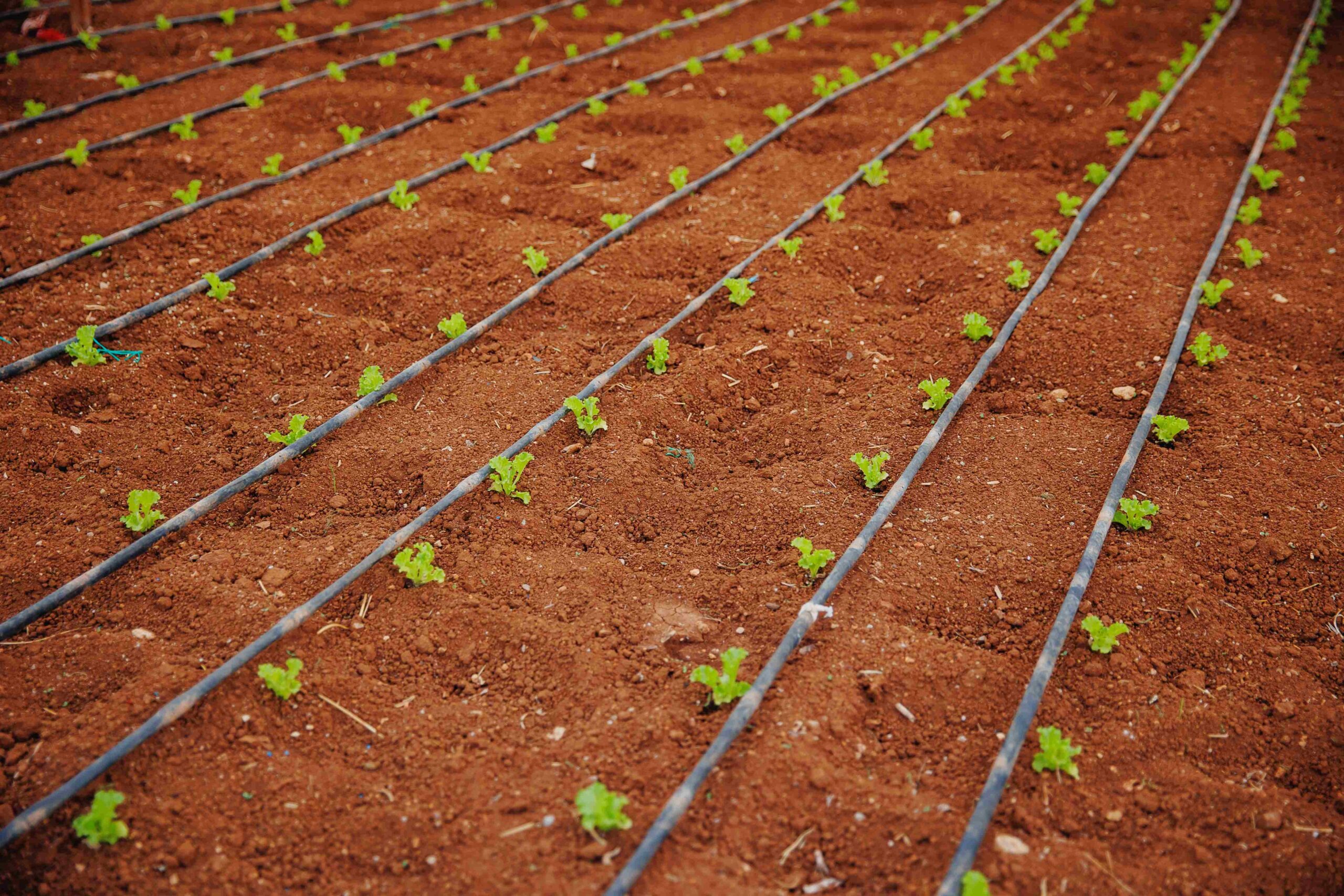
Chandler Farms and other growers moved from watering perennial crops with flood irrigation to adopting drip irrigation and micro sprinklers, which provide precise watering. Some vegetable growers employ subsurface drip, which substantially reduces evaporation.
“We’ve increased utilization of a lot more water monitoring technology, water meters, soil moisture sensors, using things that have remote sensing so we can be constantly aware of where water is within the depth of the soil when we’re doing irrigation applications,” notes Chandler. “There’s new technology coming out now that can get even more dialed, even more specific, where you have remote valves that will water parts of a field differently based on soil type.”
Growers and water districts have installed diversion infrastructure to move water to fields when it is available. Regions that have relied on groundwater pumping will require costly infrastructure to capture floodwater and recharge groundwater. After adopting drip irrigation for his vines and permanent crops, Cameron says he switched to drip for all his crops. The change cut water use by a quarter and resulted in large jumps in yields, including 30% for processing tomatoes.
“We’ve learned to deal with tighter water supplies,” he says. “But, at some point, you’re going to be limited as far as what you can pump and how much land you can farm with the water you have.”
In managed aquifer recharge systems, floodwater is diverted into dedicated basins or small lakes so that it infiltrates into aquifers rather than flowing into the ocean.
“The agricultural landscape is that one big place that we have in California that could absorb that if we just knew how to do it without impacting crops or water quality in the process,” explains Harter. “A lot of people are doing research on how we can do this in ways that minimize the economic and environmental impact and essentially take advantage of that farm landscape to tuck away a lot of water over a short period of time into these groundwater basins.”
As growers adapt to less predictable supplies and tighter water restrictions, California agriculture is likely to see further shifts in acreage, crop mix and land use.
“I think the market is going to sort it out,” predicts Cameron. “For the crops that people want and need, they are going to have to pay more for them or they’re not going to be grown. Those crops could also shift to areas that do have a more reliable water supply.”
In California, that transition is already underway. The question is how quickly growers, water districts and policymakers can expand the tools that keep productive land viable while recognizing that some acreage and crop choices may have to change.