
Why Market Access Now Shapes Competitive Advantage
As traceability rules tighten and chemical limits fall, access to key markets increasingly depends on how supply chains are designed, not just how.

The argument in favor of using filler text goes something like this: If you use arey real content in the Consulting Process anytime you reachtent.
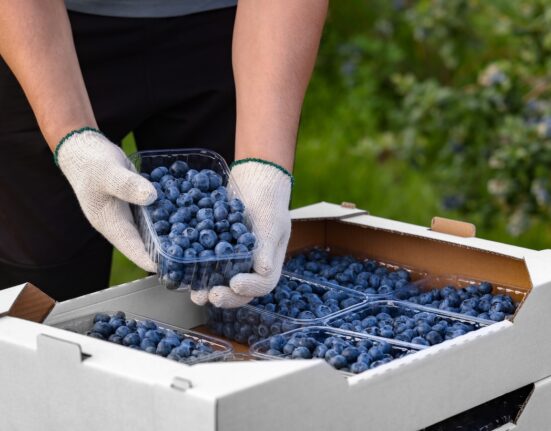
As traceability rules tighten and chemical limits fall, access to key markets increasingly depends on how supply chains are designed, not just how.

Carrier consolidation, aging fleets, and structural labor shortages are reshaping how fresh produce moves, and where risk now sits in the supply chain.

From impulse merchandising to spring promotions, the green vegetable performance increasingly depends on how well supply timing and in-store execution align.

But the category’s versatility means it continues to play a major role as a headline summer fruit.

As concern over chemical residues and transparency grows, organic producers see an opportunity to extend recent gains despite inflation and pricing pressure.
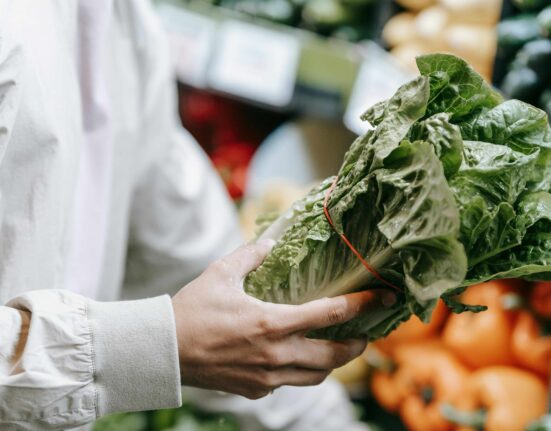
As grocery shopping becomes faster and more digital, the mechanisms that once drove discovery, trial, and consumption of fresh produce are quietly eroding.

The veteran leadership coach discusses the biggest risks facing produce executives, and what succession, taste, and technology reveal about the industry’s future.

From ancient medicine to modern snack food, the carrot’s 10,000-year journey reveals how ingenuity — and a bit of myth — reshaped the.

Why true market advantage in produce comes from understanding what others value — not just what you grow or sell.

When intelligence stops pushing back, leadership risks losing the friction that drives real thinking and progress.