The Real Price of Policy Uncertainty
Uncertainty postpones the investments that make food affordable over time, from new acreage to cold storage and automation.

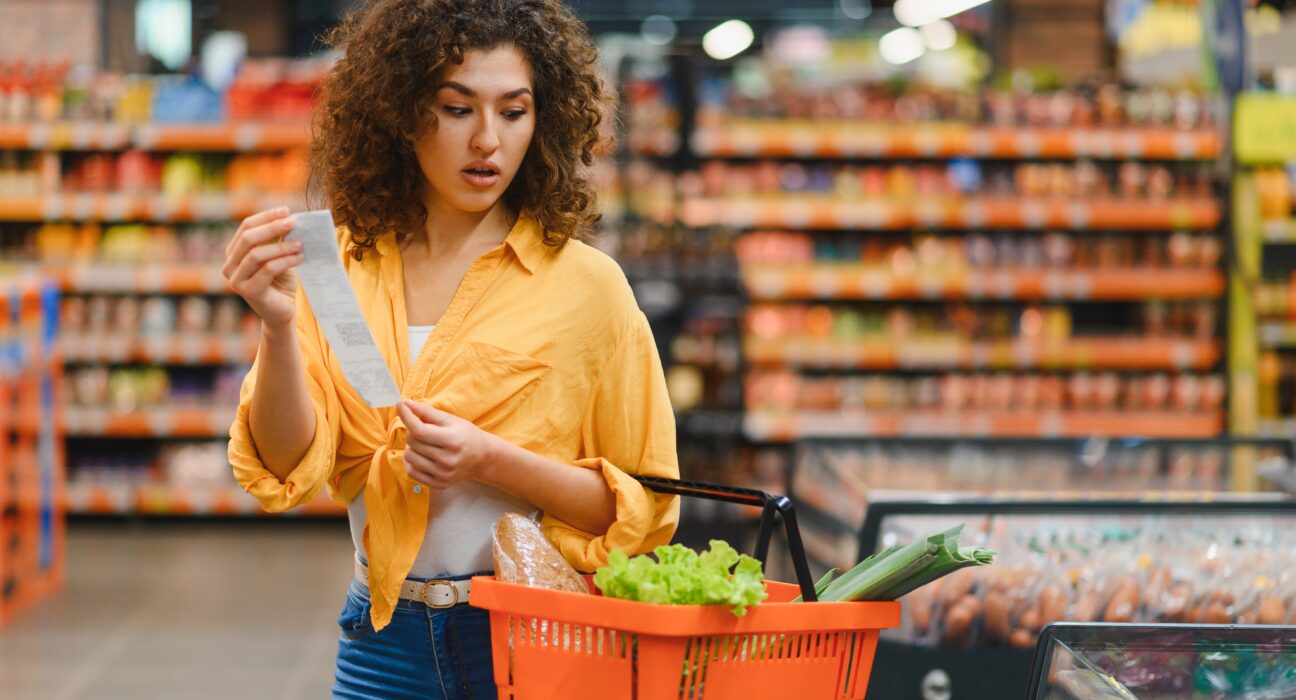
Uncertainty postpones the investments that make food affordable over time, from new acreage to cold storage and automation.
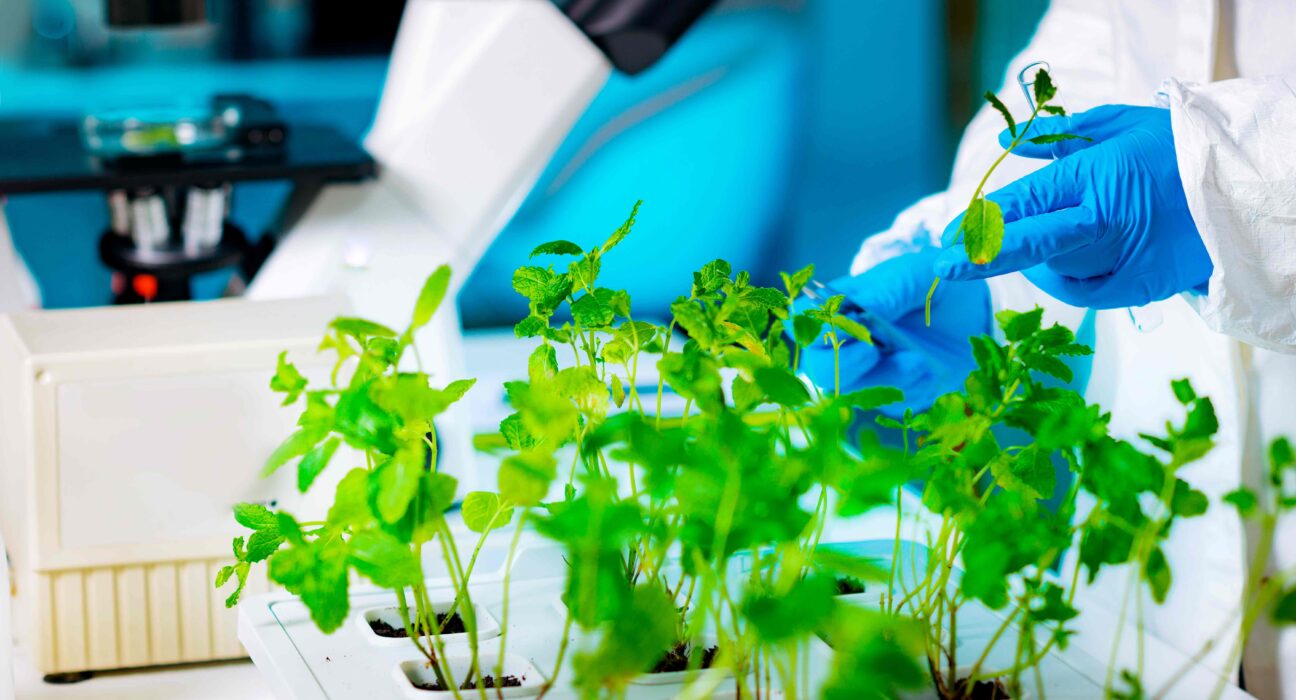
A new EU framework for plant breeding will narrow the regulatory gap with the U.S., giving fresh produce breeders more room to develop climate-resilient crops and consumer-friendly traits.
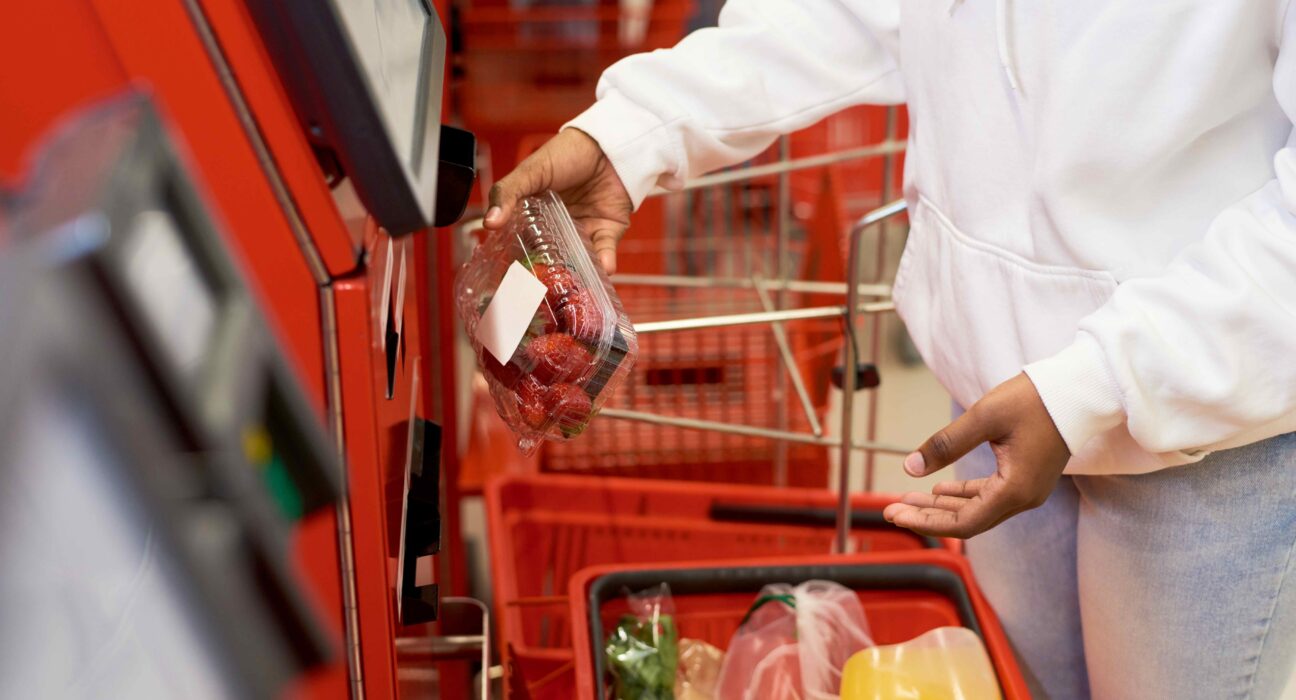
A Cal Poly classroom exercise reveals why younger shoppers are underwhelmed by the produce aisle — and what could help close
the gap.

In uncertain markets, readiness is less about having every answer in advance and more about building the maturity, focus and discipline to act when conditions change.

With 48 nations coming together, the World Cup celebrates the things — like a love of sport and shared food — that unite us all.
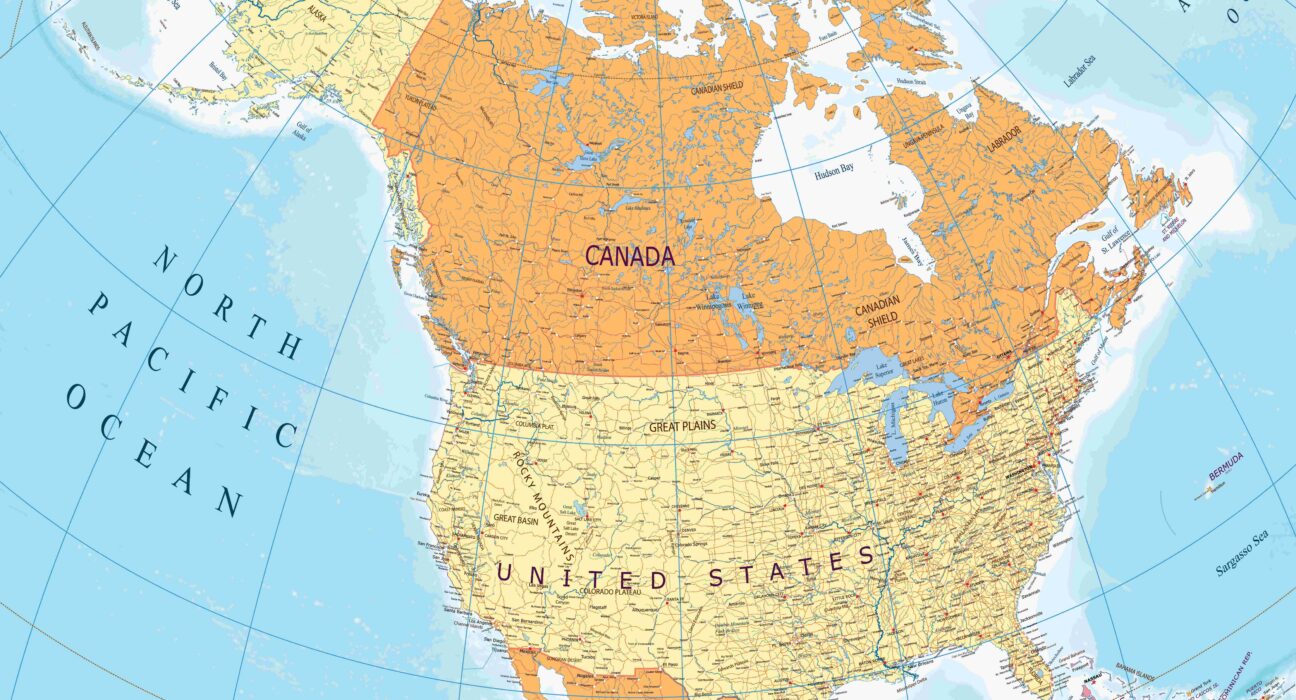
As the 2026 USMCA review approaches, the fresh produce industry faces a test of whether North America’s integrated supply chain can withstand political pressure and regulatory friction.
Every effort to collect better information, strengthen collaboration, and build repeatable systems is an investment in a stronger organization.

The marketing-led executive behind one of produce’s best-known brands discusses loyalty, foodservice growth and the next stage of avocado consumption.
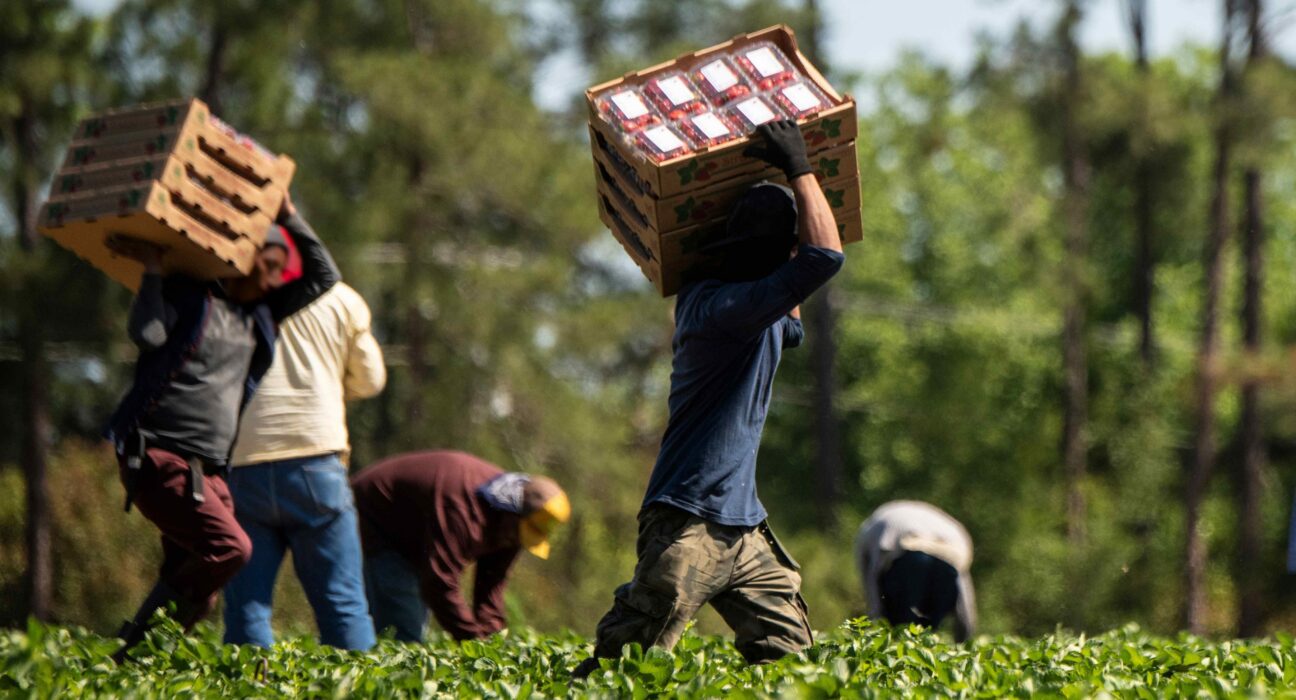
The new H-2A wage formula gives labor-intensive farms some relief, but it does little to solve the deeper labor shortage behind America’s rising farm wages.
As new breeding technologies move closer to the food aisle, consumer research suggests acceptance will depend less on the science itself than on whether shoppers see clear, tangible benefits.