The Shopocalypse That Wasn’t
Nine years after Amazon acquired Whole Foods, online grocery has proved a far harder nut to crack than many expected. But the battle.

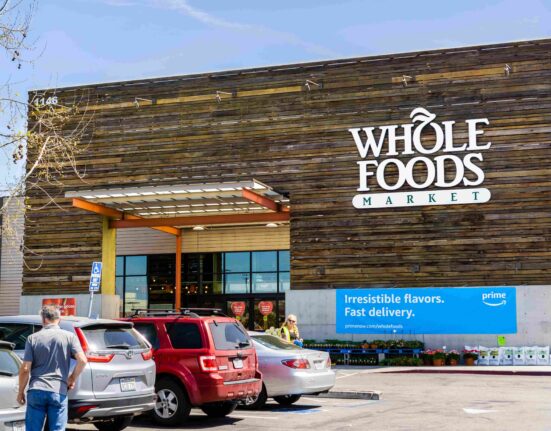
Nine years after Amazon acquired Whole Foods, online grocery has proved a far harder nut to crack than many expected. But the battle.

After booming through the 2010s, these local food hubs are looking for new shoppers, new farmers and a new role.

The IFPA chief discusses labor, trade, consumption, retail realities and what it will take to build a stronger future for fresh produce.
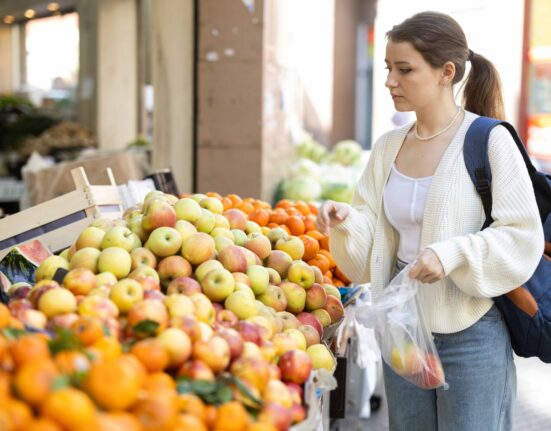
Economic pressure has not reduced demand so much as sharpened expectations about how food earns its place in daily life.
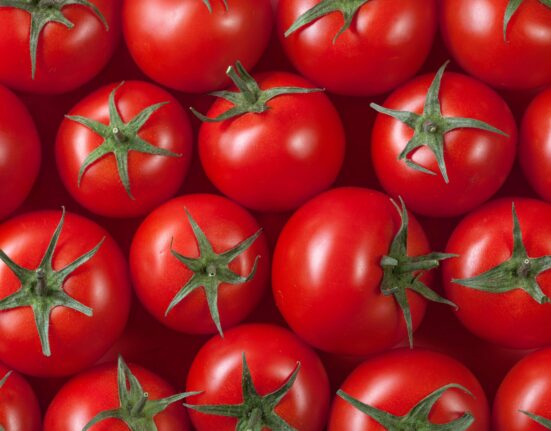
As shoppers pay closer attention to flavor and consistency, tomato suppliers see growth shifting toward a higher-value sales mix.
Produce companies are under pressure to reduce plastic, but shelf life and food waste are making the shift harder than it looks.
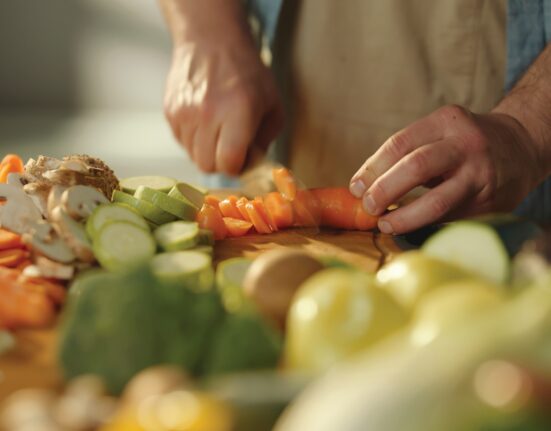
The produce industry’s consumption problem may have less to do with price than with waste, planning and a widening culinary skills gap.
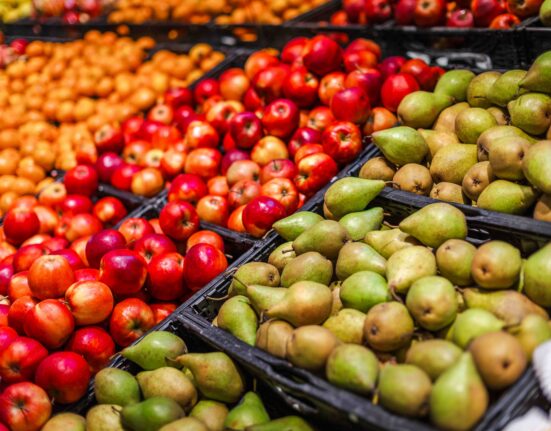
Winning shoppers in a changing retail market requires suppliers to connect category strategy with marketing that gives consumers a reason to buy.
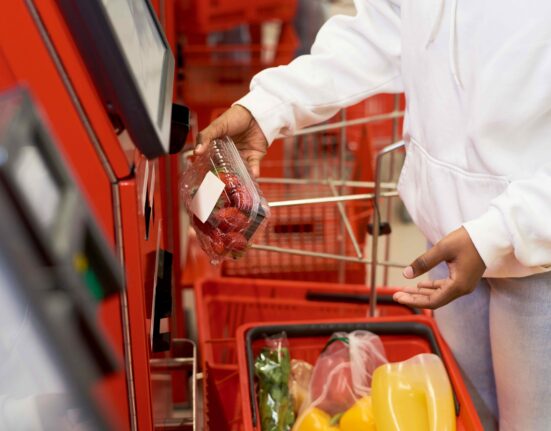
A Cal Poly classroom exercise reveals why younger shoppers are underwhelmed by the produce aisle — and what could help close the gap.

Why attention, intent, and judgment — not access — determine analytics ROI.