Capital Comes To The Farm
Investors are pouring money into the farming sector. The consequences extend far beyond the balance sheet.


Investors are pouring money into the farming sector. The consequences extend far beyond the balance sheet.

After booming through the 2010s, these local food hubs are looking for new shoppers, new farmers and a new role.

The IFPA chief discusses labor, trade, consumption, retail realities and what it will take to build a stronger future for fresh produce.
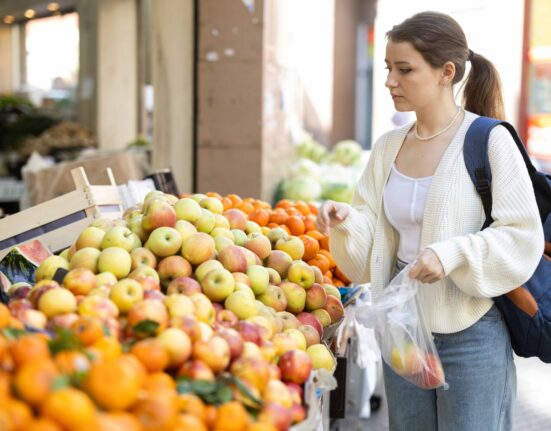
Economic pressure has not reduced demand so much as sharpened expectations about how food earns its place in daily life.
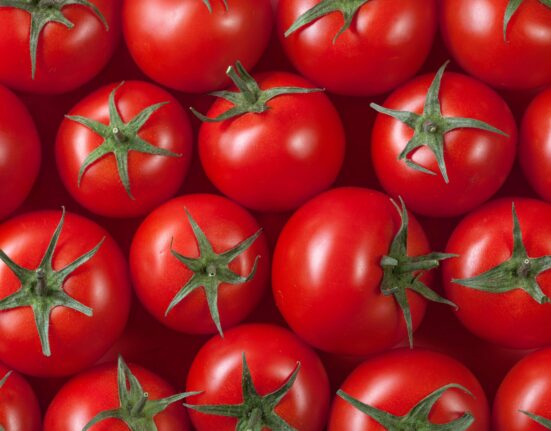
As shoppers pay closer attention to flavor and consistency, tomato suppliers see growth shifting toward a higher-value sales mix.

Produce companies are under pressure to reduce plastic, but shelf life and food waste are making the shift harder than it looks.

The produce industry’s consumption problem may have less to do with price than with waste, planning and a widening culinary skills gap.

After winning shopper curiosity and investor attention, the category now faces the harder task of turning trial into a lasting grocery habit.

The category is already trusted by shoppers; suppliers now see growth in making the category easier to use and harder to overlook.
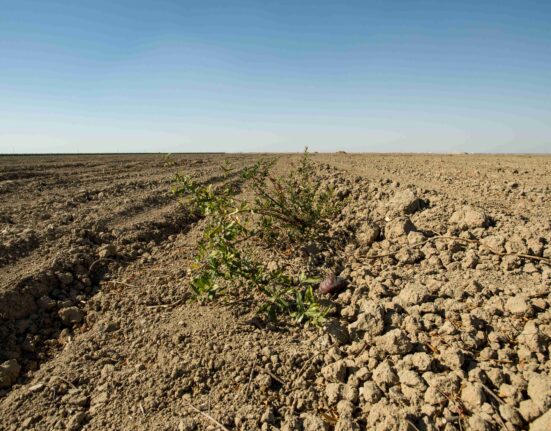
California growers are investing in efficiency and recharge, but tighter supplies are also forcing harder decisions about what, and whether, to farm.